
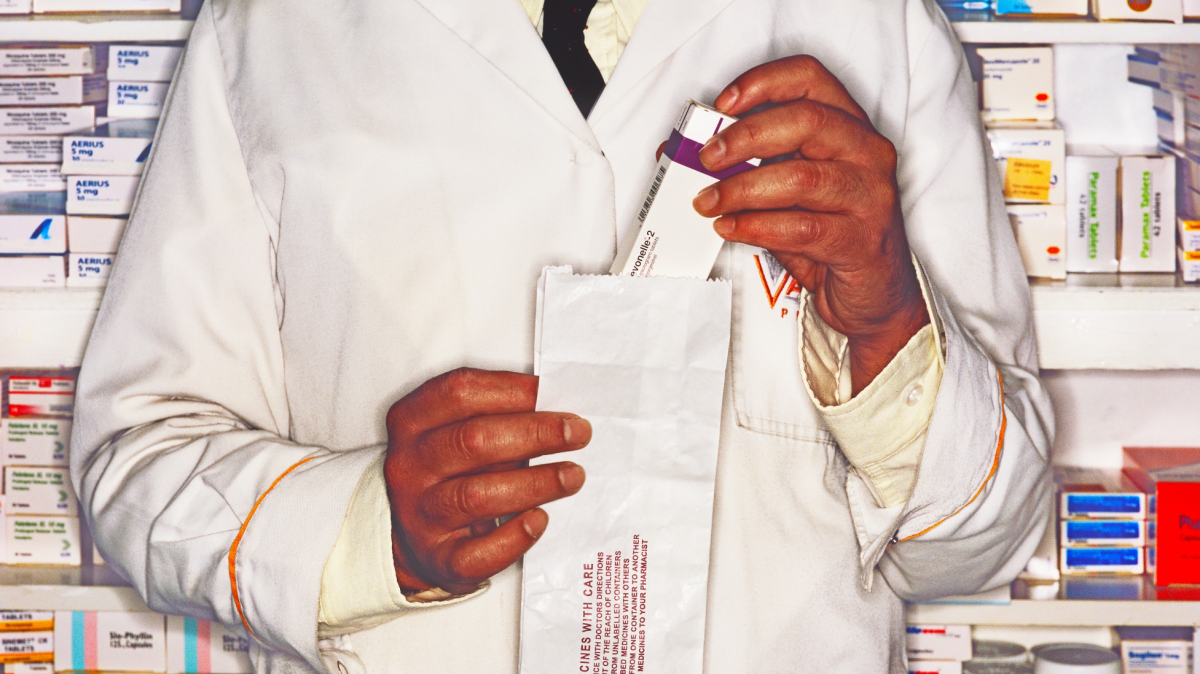
You probably have a prescription drug inside you right now, as do 56 per cent of us. The NHS spent more than £20 billion on them last year. The spend on medicines is equivalent to a third of the UK’s defence budget. And yet, two decades ago, a former director of Glaxo (now GSK) revealed the jaw-dropping reality: most drugs do not work for most people.
A study of the top ten grossing medicines in the USA found the most effective worked in only a quarter of patients and half of them did not work in 90 per cent of patients. What is more, they may be badly prescribed, erratically taken and poorly monitored, leading to stress, harm and waste. Let’s look at some of the more common drugs. The exact numbers depend on things like disease severity, age and duration of treatment, but these figures are indicative.
Statins
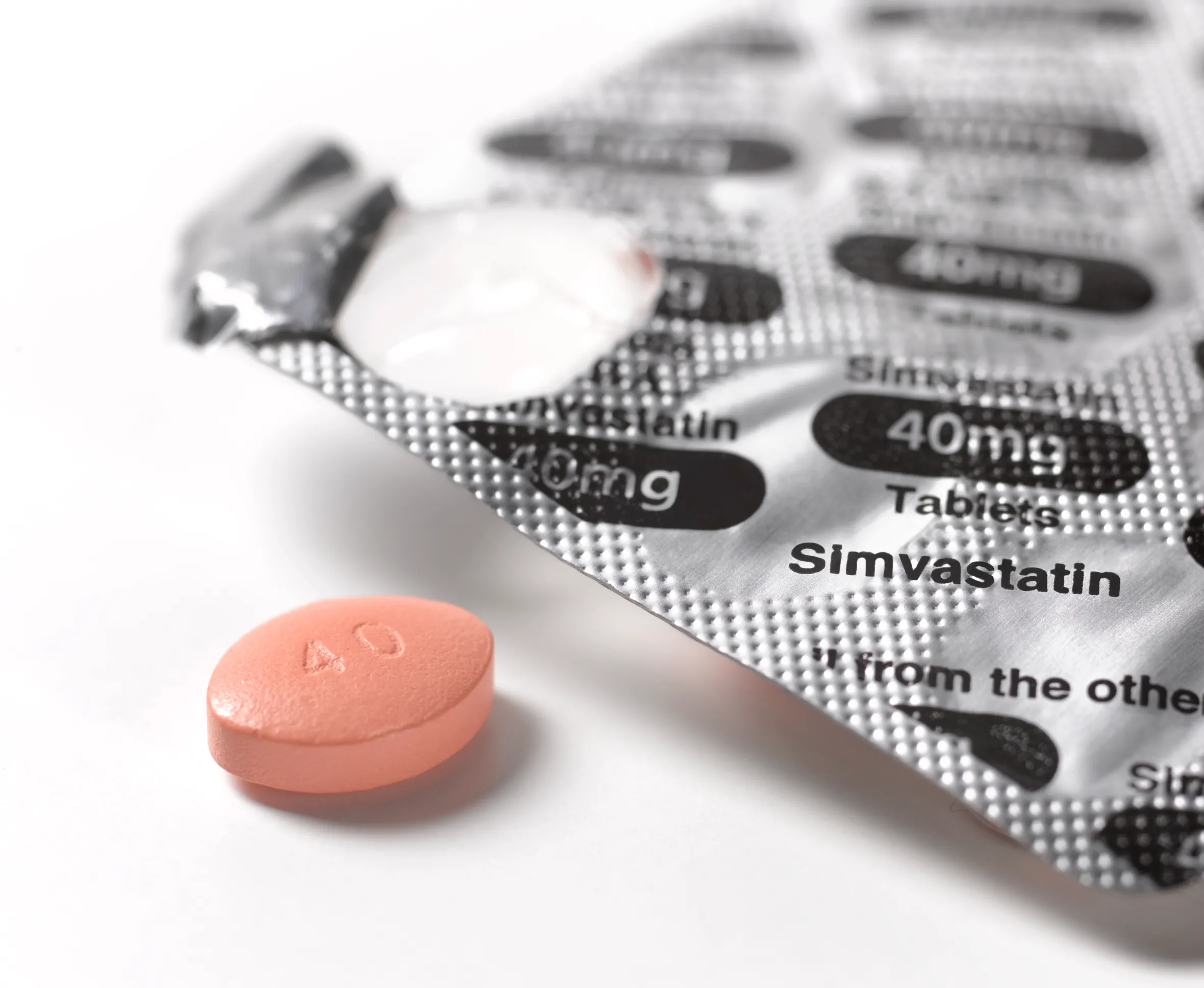
Across the UK around seven million people are taking a statin to lower cholesterol, which is linked to heart attacks, leading to a benefit in life expectancy for the population. But that may not mean they will have a significant impact on your own outcome. If 26 people with moderate cardiovascular risk took atorvastatin 20mg daily for 10 years, only one of them would avoid a heart attack or stroke.
Drugs for irregular heartbeat
If you selected 70 people who have atrial fibrillation (an irregular heartbeat) and take an anticoagulant such as rivaroxaban, apixaban, dabigatran or warfarin for a year to prevent stroke, only one in the 70 will avoid a stroke.
Blood pressure medication
If you looked at 54 people who have had a heart attack and are taking a blood pressure drug such as enalapril or ramipril for four years, it would prevent another heart attack for just one of the 54.
Aspirin for heart attacks
For people who have had a heart attack and are taking aspirin for a year to prevent another one, it will work for one in 111 patients.
 Romas Foord for the times magazine
Drugs for osteoporosis
If 31 people with osteoporosis and at moderate risk of having a hip fracture took alendronate (alendronic acid) for 10 years, one would benefit.
Drugs for gastritis (acidic stomach)
If 15 people took proton pump inhibitors (drugs that end in “-prazole”, such as omeprazole), one would be cured of the problem after a few weeks. The exact effectiveness would depend on the cause of the gastritis.
Drugs for pain
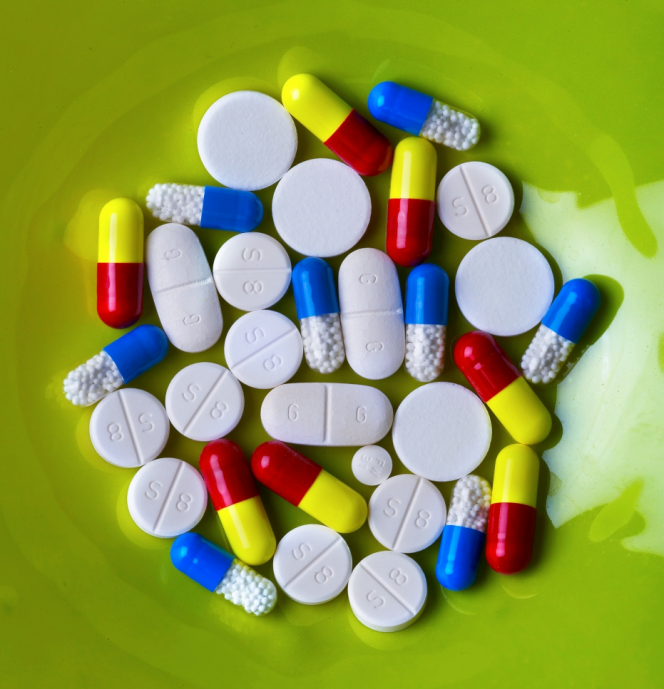
Common analgesics such as paracetamol and ibuprofen, when treating short-term ailments such as a headache, will reduce pain in about half the patients who take them. Taking both paracetamol (2 x 500mg) and ibuprofen (400mg) at the same time will work in two out of three people. Codeine, which works by your body converting it to a small amount of morphine, is pretty ineffective: there was no difference between a 30mg tablet and a placebo. However, its effects depend on your genetics — a few people produce much more morphine than normal and some produce very little.
The power of placebo
“What?” you may be thinking. A placebo is a “sugar pill”, something with no active ingredient, so it can have no physical effect on the body. It can, however, have remarkable effects on the mind that in turn can cause physical changes in the body. All the numbers for the drugs above came from studies comparing them with placebos. In the headache example above, one in five of the placebo group reported that their headache had gone after taking a placebo unknowingly. Placebos have been shown to be effective in treating pain, depression, ADHD, IBS, even Parkinson’s disease. There can also be negative effects when the placebo is assumed to cause harm; this is called the nocebo effect. Three quarters of reported side-effects to the Covid vaccine and most side-effects reported after taking statins, such as muscle pain, are really the nocebo effect.
 Dr Nick Barber
The consequences of our taking drugs
We merrily take our tablets without thinking about the effects on the environment. The drugs we swallow may go straight into the sewerage system unchanged or partly modified by our bodies. Poor disposal of unused medicines also adds to pollution. A study of 258 rivers across 104 countries found evidence of pharmaceuticals in virtually all of them. They can affect plants and animals and also increase the risk of antibiotic resistance in bacteria.
But drugs aren’t all bad. Don’t stop taking your drugs having read this. The exact numbers on their effectiveness depend on many factors, but those quotes above are indicative of some drugs’ limitations. However, many do extend life, relieve pain and provide succour to the distressed. So how should we deal with this paradox?
Having published more than 200 research papers and held senior roles at the independent charity the Health Foundation, University College London and as chief pharmacist at a large hospital, I’ve spent my career at the front line of helping people build better relationships with their medications, and driven national policy on the issue.
Here’s my advice
Understand how drugs work — and how they are licensed
Your body is a phenomenal collection of chemicals and processes — a drug’s job is to influence them. There are around 37 trillion cells in your body and more than 200 cell types. Many drugs work at what we call “receptors” on the cell wall. Receptors, when stimulated by a drug or natural chemical, send a message into the cell, telling it what to do.
When a drug is licensed (approved to be prescribed), it’s based on clinical trials, which are vast experiments using a carefully selected group of people. And those are not representative of the whole population. Drugs (the active ingredient in a medicine) were historically tested more extensively on men than women, who can react differently. Women are smaller, tend to absorb drugs more slowly than men, and get rid of them more slowly from the kidneys. It means that a dose that worked well for a man may not necessarily work as well for a woman, or may be more likely to cause side-effects.
 Getty images
Indeed, when taking a drug, a whole series of dynamic processes follows: the absorption of the drug, followed by its distribution round the body, metabolism by the liver and excretion by the kidneys. These processes are influenced not just by your sex, but also your age, weight, genetic make-up and microbiome. Everyone is different. More than 90 per cent of us carry at least one genetic variant that could lead to us needing a change in dosing or medication if certain drugs were prescribed to us. These many variations are one explanation of why drugs are not as effective as we assume them to be.
Never leave a doctor’s appointment with a prescription without asking these four questions
1. What happens if we do nothing?
This is the cautious approach that recognises that our bodies ebb and flow — symptoms may arise but then disappear as the body stabilises itself. Symptoms and changes in measurements may be temporary and misleading. Test results may vary naturally, stepping outside their desired range and then returning. Recently, my blood lipids were higher than they should have been, but my GP and I agreed to do nothing. Retesting two months later showed them within range again. In clinical terms, doctors often talk among themselves of “watchful waiting” — ie let’s do nothing for now but keep an eye on things. How does it progress? Does the situation resolve? Is it stable and acceptable, or is it getting worse, and what are the consequences of that? Sometimes you will know, because you feel the symptoms, how things are progressing. However, other measures, such as blood pressure, cannot be felt, so you may wish to check it again in a few months or weeks.
2. What are the alternatives?
Perhaps you are worried about your blood pressure. What are the alternatives to taking a medicine? Examples are moderately intense walking for 150 minutes a week, or 30 to 60 minutes of aerobic exercise 3 times a week, or losing about 9lb in weight, or reducing your alcohol intake by two thirds, or reducing your salt intake by a teaspoon a day. Judging if these will work for you will depend on your own circumstances. This approach is sometimes called social prescribing. It is also used in the field of mental health. There are a number of alternatives to help with sleep, anxiety and depression — such as psychotherapy, CBT (cognitive behavioural therapy), forms of meditation, yoga and mindfulness. The challenge with judging alternatives is that strong evidence usually comes from large expensive trials funded by pharmaceutical companies’ deep pockets. Most alternatives have relatively weak evidence to support them when compared with drugs. But they are always worth considering.
3. What are the benefits of this drug?
There is a tool that calculates the chance that a drug will work for you — improve your health outcome — and that is called “Number Needed to Treat” (NNT). This is the number of people who need to be treated with the drug for one to get the clinical outcome we require — reducing pain, getting rid of an infection, avoiding stroke, heart attack or death. An NNT of one means that everyone who takes the medicine will get the desired outcome. An NNT of two means half of all patients will get the desired outcome. Virtually all the drugs you are taking at home will have an NNT greater than two. In a comparison of the top ten grossing drugs in the USA in 2015, the most effective had an NNT of four (so did not work for three out of four patients) and the least effective had an NNT of 25 (so did not work for 24 out of every 25). Some people will say, “Why would I bother with that?” Other people will say, “I’ll do anything that will give me a chance.” In this way, taking the drug is more like an insurance policy. We pay for lots of things for our insurance, which we don’t necessarily get a chance to claim on. Everyone has a personal judgment. Ask your doctor for the NNT, rather than trying to interpret it yourself, as the literature can be easy to misinterpret.
4. What are the possible side-effects?
Don’t be too alarmed by a long list of side-effects on a medicine’s package leaflet. It is there to inform you of possible effects, but also so the drug company can’t be sued because it can argue you were told about them. But some drugs do have known side-effects that are not pleasant. Then it’s back to weighing up if they are worth taking. For example, the osteoporosis drug alendronate is unpleasant to take (on an empty stomach, using tap water, then sitting, standing or walking for 30 minutes before swallowing anything else). It can sometimes affect your jaw, so regular dental checkups are needed. It has an NNT of 31, so this balance is worth considering.
 Getty images
Ask your doctor what they would do if they had your condition. If the option of doing nothing, or weighing up the alternatives and the benefits and risks of drugs, seems overwhelming, one option is just to ask this question of your doctor. Note that this is different to asking them what they think you should do. A study asked physicians what treatment they would recommend if they or a patient had a serious condition: colon cancer or avian flu. They would probably recommend that patients take the treatment most likely to save a life, but with more severe side-effects. For themselves, they were more likely to choose the treatment with fewer side-effects, but which had less chance of saving their life.
When you ask your doctor questions, write down their answers and ideally have someone with you. Asking questions helps break the knee-jerk perception of, “You have this condition, then you should take that drug.” It gives you a chance to think about those other options. A good doctor will welcome these suggestions, and they don’t have to add more than two or three minutes to the initial consultation.
Treat a new prescription with a ‘kiss phase’
Starting a relationship with a new drug is a bit like starting a new relationship with a person. Because of the uncertainty about what a drug will do to you as an individual, enter what I like to call the “kiss” phase: a safe, experimental period where you “date” the drug to see if you are compatible. Keep a diary or use an app to record how you feel and, if you notice any side-effects, whether the side-effects are manageable. You may need to negotiate a different dose or drug with your doctor.
Your ‘experience’ of taking drugs will affect how well you stick with them
Can you swallow your drug? Is it an unpleasant experience? What are you feeling like later in the day? I’ve had patients tell me that they couldn’t run their business because they have felt so drowsy after taking a drug for their blood pressure or for nausea. In their cases, the answer may simply be to take it at night. One reason medicines don’t work for so many people is that they aren’t matched to the individual, either biologically or in terms of their personal choices and preferences.
Ask your GP for an annual review of your medication
This is the chance for you to ask questions about your drugs, be reminded of why you are taking them, and for you to report any problems, including remembering to take them. It is a chance to ask whether a drug is still worth taking. Make sure too you are being regularly monitored while on your prescription. Around one in five people who are admitted into hospital from A&E departments are there at least partly because of an adverse drug reaction.
Know when to ‘divorce’ your medication
Just because you were told you would be on a drug “for life” doesn’t mean you can’t ask for a trial separation. Learning how to safely taper off medications — especially in your later years — can simplify your life, save the NHS money and reduce your risk of suffering a severe adverse reaction. Some drugs are harder to divorce than others and should always be done with medical supervision.
When you reach 75 do a review of all the medicines you are taking
Our bodies change as we age, losing weight and kidney function, which means a drug dose that was perfect at 50 might be toxic at 75. The chance of an adverse side-effect increases with age, particularly from the early seventies onwards (this can also be because we have more conditions as we get older). The elderly also tend to take more medicines, so it’s more likely that they could interact with each other.
If you care for an elderly relative, audit their pills. Often, a new drug is prescribed simply to treat the side-effect of another drug. This may be unnecessary and can get out of hand. An 87-year-old woman took ibuprofen for knee pain. It raised her blood pressure, so she was given amlodipine; this swelled her ankles, so she was given a diuretic; the diuretic caused incontinence, so she was given oxybutynin; this caused dry eyes and constipation, resulting in prescriptions for eye drops and senna. I call this the “prescribing cascade”. Ask a doctor to review and “deprescribe” unnecessary pills — it may help restore an older person’s lucid mind and physical ability.
If you need help with medication, go to your local pharmacy
High-street pharmacists are the most accessible, free experts in the health service. They undergo five years of master’s-level training specifically on medicines. If you are struggling with side-effects, the size of a pill or remembering to take your doses, walk into a pharmacy — you can usually see an expert in two or three minutes. They are a brilliant resource.
Get a £200 cheek swab to tell you how your body will process drugs
Drugs are activated and deactivated in our body by enzymes and the effectiveness of those enzymes varies with our genetics. You can now go to some high street pharmacies, pay around £200 for a pharmacogenomic cheek swab, and receive a definitive list of which drugs you should avoid or at least have their dose adjusted. A few years ago, when I had heart arrhythmias, I was put on a drug called flecainide. My heart rate rose alarmingly, and I stopped taking the drug. Sure enough, when I read my results, it predicted that flecainide would be toxic to me.
Be aware of counterfeit medicines
Last year, the medicines regulator seized about 20 million doses, mainly of sedatives, painkillers and erectile dysfunction treatment. There is a growing trade in GLP-1 “skinny jabs”. One woman nearly died using one of these because the syringe was full of insulin. Criminals see illicit trade in medicines as easy money. Around 1,500 websites and social media accounts illegally selling medicines were taken down last year alone. Ensure your supplier is a registered pharmacy (however convincing the website looks) by checking the General Pharmaceutical Council website (pharmacyregulation.org).
AI can help with advice, but use it with caution
One AI tool recently recommended a counterfeit website to me. But it can be useful for some information. Questions you might ask are: “What are the side-effects for this drug?”; “What are the alternatives to this drug?”; “How, for example, could I reduce my cholesterol without taking drugs?” But remember AI isn’t completely reliable; try the same question on another AI model and see if the answers are similar. Chase up any references it provides to check they are valid.
As accuracy improves, however, AI still won’t be able to look you in the eyes or touch you. When it comes to taking medication, there is no substitute for an informed face-to-face discussion with an expert.
How to Take Drugs by Dr Nick Barber (Bluebird, £22) is published on May 28. To order, go to timesbookshop.co.uk or call 020 3176 2935. Free UK standard P&P on online orders over £25. Special discount available for Times+ members