

Listen to this article
Estimated 4 minutes
The audio version of this article is generated by AI-based technology. Mispronunciations can occur. We are working with our partners to continually review and improve the results.
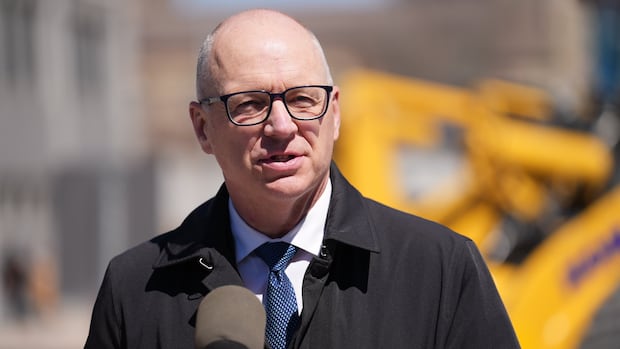
Winnipeg Mayor Scott Gillingham says the city is considering how it could support Manitoba’s new 72-hour intoxication detention law as it faces a constitutional challenge in court.
Gillingham asked the city’s legal services staff for a closed-door briefing at Tuesday’s meeting of city council’s executive policy committee, as he tries to find out what options may be available to council regarding Bill 48, the province’s Protective Detention and Care of Intoxicated Persons Act.
The legislation, which the Manitoba Legislative Assembly passed in November, allows authorities to detain someone intoxicated by drugs or alcohol for up to 72 hours if they are considered a danger to themselves or others.
That paved the way for the opening of a new 20-room sobering facility at 190 Disraeli Fwy. in December, which the province refers to as a “protective care centre.” The province said in March it was able to start taking in people highly intoxicated on drugs like meth, after medical professionals gave final approval to move forward.
Last month, the province’s former top psychiatrist, Dr. Jim Simm, filed an application in Court of King’s Bench, seeking to have the provincial law declared unconstitutional for violating the Canadian Charter of Rights and Freedoms.
A court hearing is set for June 10.
The city has “a very keen interest in Bill 48 and the challenge that it’s facing right now,” Gillingham said during a Tuesday news conference.
“I just asked our staff what options would be available to council.”
Gillingham would not disclose details of the legal briefing, but confirmed one option discussed was seeking intervener status in the court case.
The mayor said front-line emergency crews are increasingly strained by repeated overdose calls.
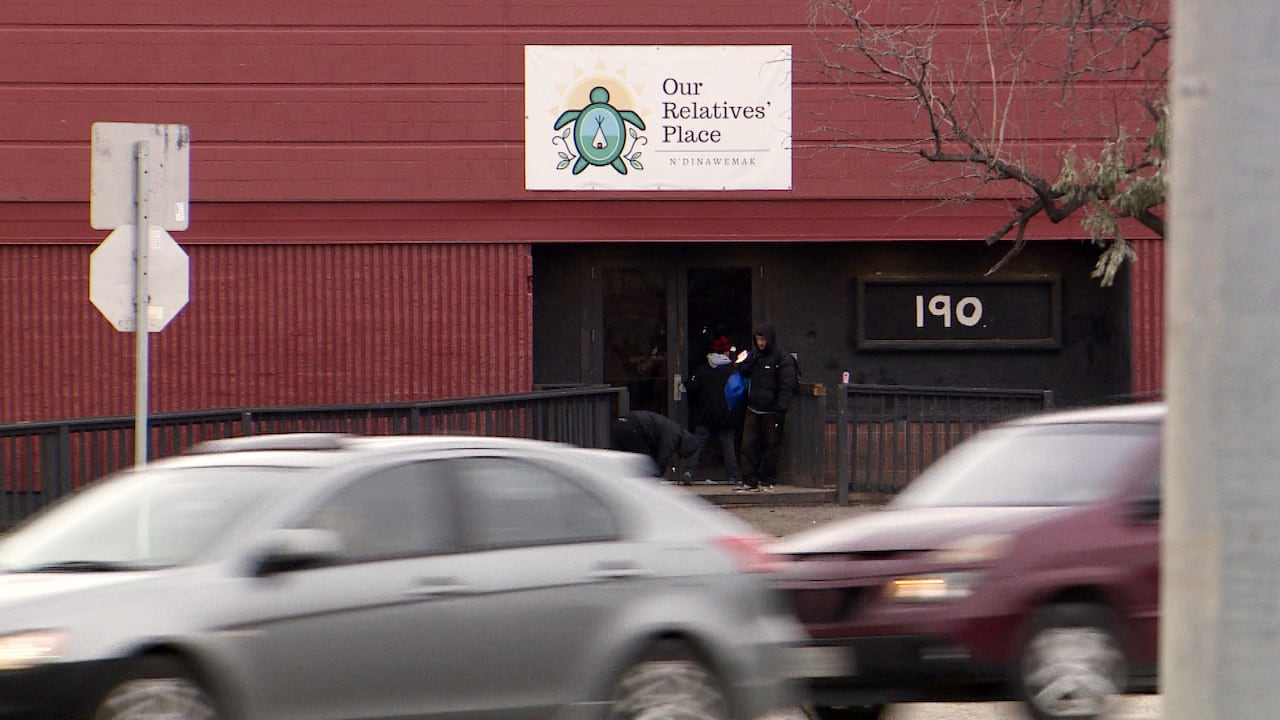 Manitoba’s 72-hour sobering centre at 190 Disraeli Fwy. was officially cleared to take in people highly intoxicated on drugs like meth in March. The legislation that allowed for the centre is facing a court challenge from Manitoba’s former top psychiatrist. (CBC)
“We have to disrupt what’s happening right now,” Gillingham said. Otherwise, “we’re going to see our paramedics and our ambulances overworked, as they are right now.”
Paramedics are frequently responding to the same individuals suffering from the effects of overdoses multiple times in the same shift, Gillingham said.
“One paramedic said that they responded to the same person three times in one shift.… This isn’t working,” he said.
In an interview with CBC News last month, Simm said part of his problem with the law is that methamphetamine intoxication can look similar to a severe mental illness, such as untreated schizophrenia, manic episodes or other medical causes.
The law also relies on behaviour-based criteria, as there is no reliable real-time test for impairment from meth or other similar drugs, Simm said.
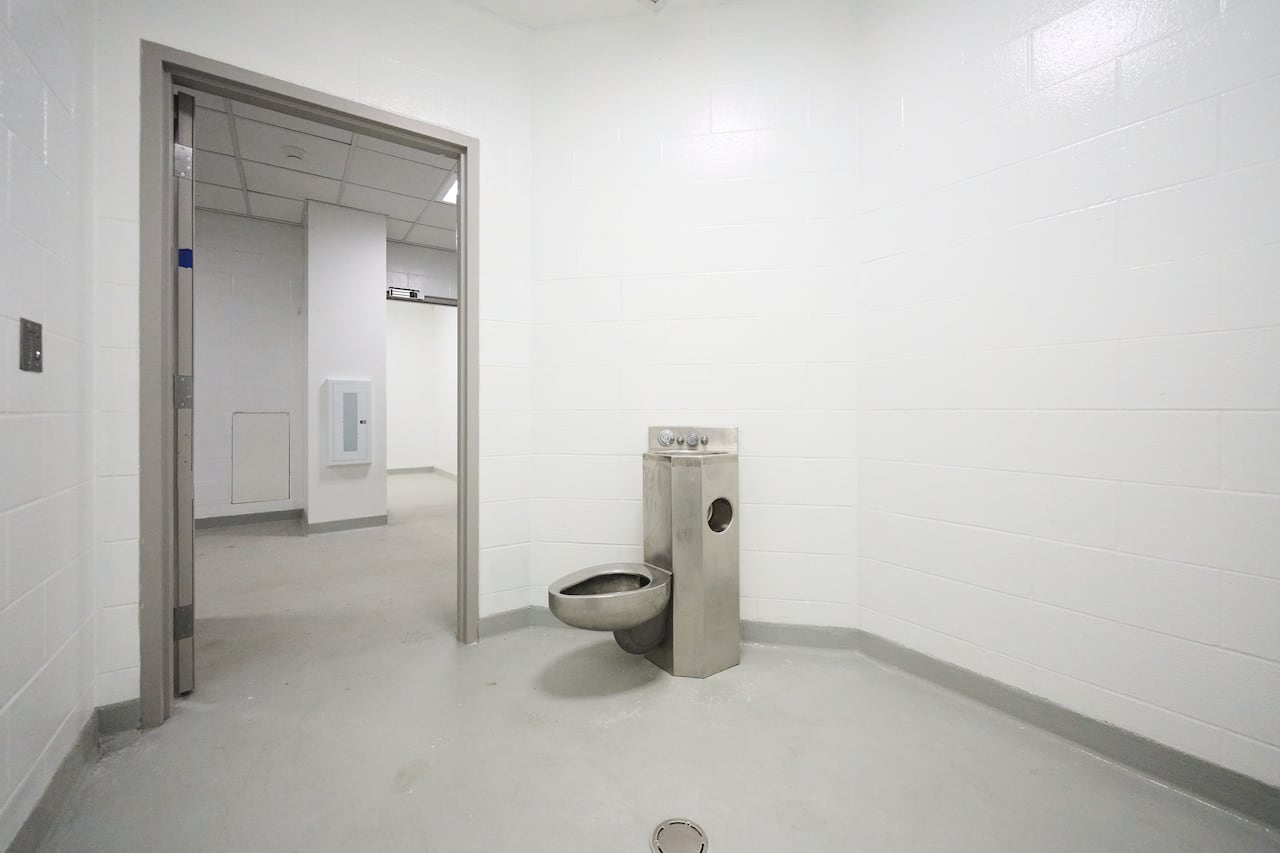 The protective care centre, also known as a sobering centre, is shown in November 2025, before its opening. Manitoba’s former top psychiatrist, Dr. Jim Simm, filed an application in Court of King’s Bench last month, seeking to have the provincial law that allowed for the opening of the centre declared unconstitutional. (David Lipnowski/The Canadian Press)
Coun. Evan Duncan, a member of council’s executive policy committee, also voiced support for the legislation.
“I think this legal challenge is exactly what got us into this issue in the first place,” the Charleswood-Tuxedo-Westwood councillor said.
He hopes the province successfully defends the law, and called for stricter enforcement of public intoxication laws.
“We need to make sure that the streets are safe, and although I am empathetic to those who are struggling with addictions, we need to have some type of enforcement of law and order in our city,” he said.
Gillingham said no decision has been made on whether the city will formally participate in the legal challenge, but said there will be “more to come” from him on the issue.