
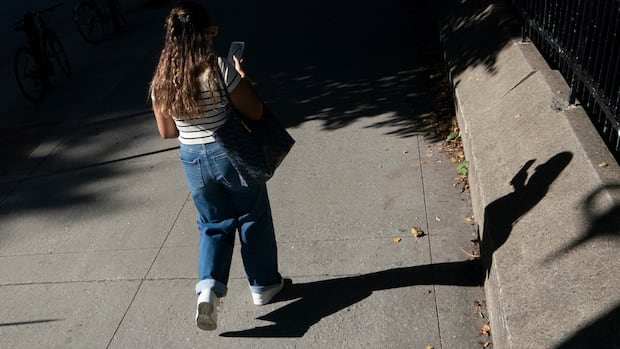
Many young women and girls in Montreal are experiencing street harassment, making them feel less safe on public transit or walking city streets, particularly at night.
That is according to a report released this year by the city’s youth council, Conseil jeunesse de Montréal (CJM), which consulted 509 youth through surveys and focus groups.
Sareena Kumari says street harassment is something she hears about all too often.
She is a co-ordinator at a youth centre, Maison des Jeunes de Bordeaux-Cartierville, which serves teens up to age 17. The organization was a key participant in the consultation. She said young girls regularly experience catcalling, inappropriate questioning and groping in public, which creates a climate of insecurity.
“For us, mostly our concern was street harassment because there are a lot of young girls that come to our spaces and when they leave they don’t feel safe … because they have to walk through a street and they might get harassed by people,” she said.
“We notice that it comes up more and more.”
This is an issue members of her organization raised while participating in the CJM report, which covers a range of fears respondents discussed during the consultation process. People aged 12 to 30 were approached online, at Metro stations and at youth centres.
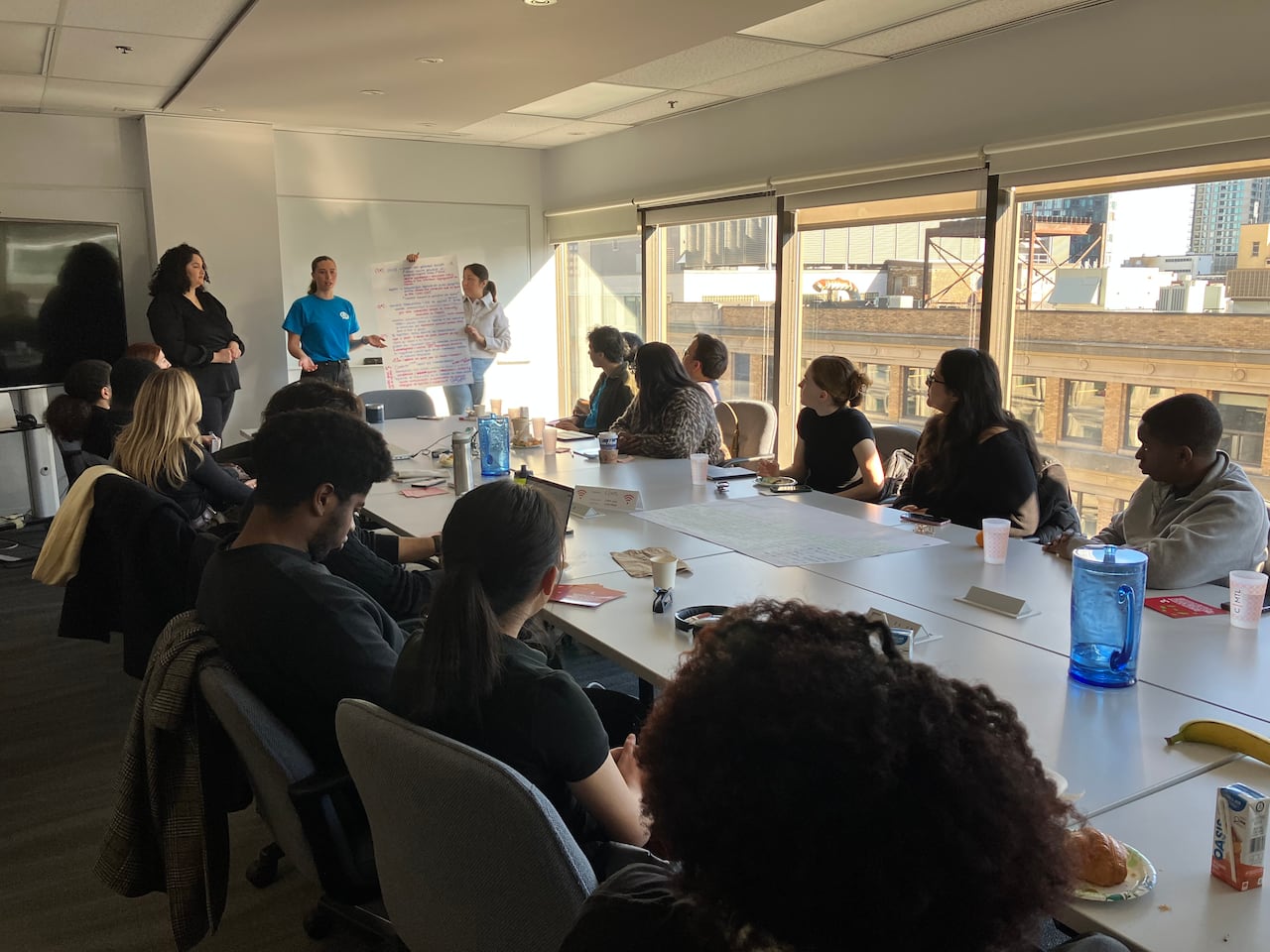 The Conseil jeunesse de Montréal had 509 participants ages 12 to 30 in its recent report on youth fears in Montreal. (Submitted by the Conseil jeunesse de Montréal)Feeling of safety varied by borough
Women and girls responded in large numbers, making up 70 per cent of participants who disclosed their gender identity. The survey also saw strong participation from people of colour and 2SLGBTQ+ youth.
While 63 per cent of the 509 participants feel “always” or “often” safe in their own neighbourhood, these feelings varied significantly by borough. Youth in Outremont and Rosemont–La Petite-Patrie feel safest, while those in Montréal-Nord and Ville-Marie report higher levels of insecurity.
Libraries and cultural or sports facilities are highly associated with safety due to their clear rules and neutral staff. However, places like public transit, streets, alleys and sidewalks are most frequently associated with feelings of insecurity.
The report covers perceived safety, which includes factors like lighting, cleanliness and visibility, as well as social cohabitation. Homelessness and the housing crisis were cited as the primary concern by respondents.
Seeing people in psychological distress in public spaces ranked second, followed by the use of illegal drugs. Public transit and mobility came in fourth, with many youth describing the network as unpredictable.
Physical and sexual violence, including street harassment, was the fifth-greatest concern. According to the report, many youth advocate for a preventive and collective approach rather than strictly repressive measures.
This includes non-police interventions, structural investments in housing, psychosocial support and improved urban design. The report concludes that safety is a systemic issue linked to social justice, health and urban planning, requiring a co-ordinated effort across municipal departments.
Stronger harassment laws needed
Kumari said she would like to see stronger laws targeting street harassment, along with more education in schools and broader public awareness.
“Street harassment needs to be taken more seriously, and education has to start young,” she said.
The youth centre is already doing its part, having recently published an awareness video that calls for a stop to harassment, said director Michaël Huot.
“The goal of the movie was to give a voice to the teenagers and make everybody aware of this situation,” he said. “Maybe, collectively, we can pinpoint the problem and work together to find solutions.”
He said more resources for youth are needed — places where they can go that are safe.
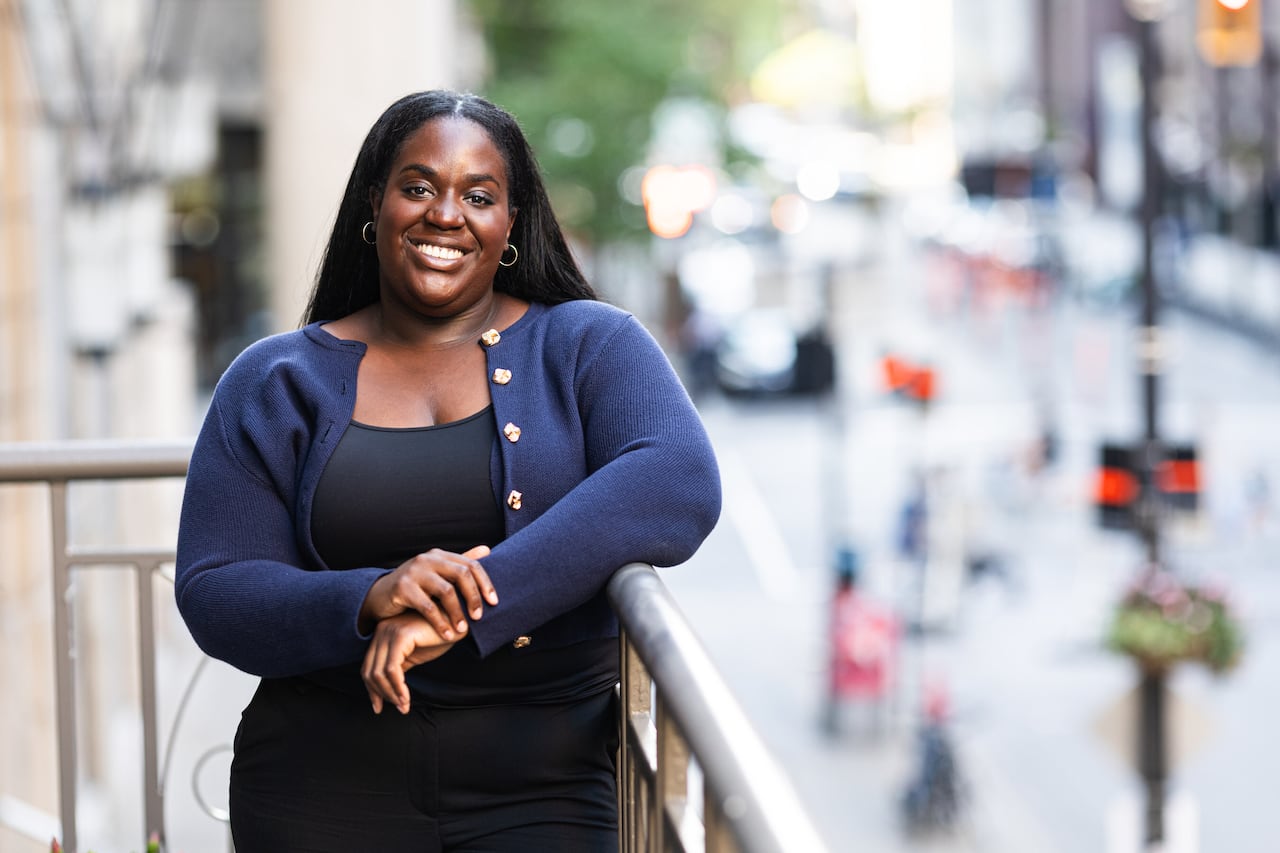 Gaëlle Guillaume, head of the Conseil jeunesse de Montréal, said youth have a right to live without fear in Montreal. (Submitted by the Conseil jeunesse de Montréal)
CJM president Gaëlle Guillaume said her council believes youth have a right to live without fear, and that safety is closely tied to a sense of belonging and pride in Montreal.
Guillaume said the consultation focused on young people’s sense of safety rather than crime statistics, noting Montreal’s social landscape has changed significantly since a similar consultation in 2009.
She said many respondents linked feelings of insecurity to broader social issues rather than solely to crime or urban design. Participants also expressed empathy toward homeless people and those in crisis, rather than simply wanting them removed from public spaces.
“There’s a lot of empathy among young people in Montreal,” she said.
She added that public transit has become a focal point because many of the same tensions seen on city streets are now present in the Metro system.
Views on policing also varied sharply depending on identity groups, she said, with some youth saying police presence made them feel safer while many 2SLGBTQ+ and people of colour expressed discomfort with police interventions.
“Safety exists at the intersection of physical condition, social connection and respect,” she said. “To be proud of your city is to feel like you are safe.”