
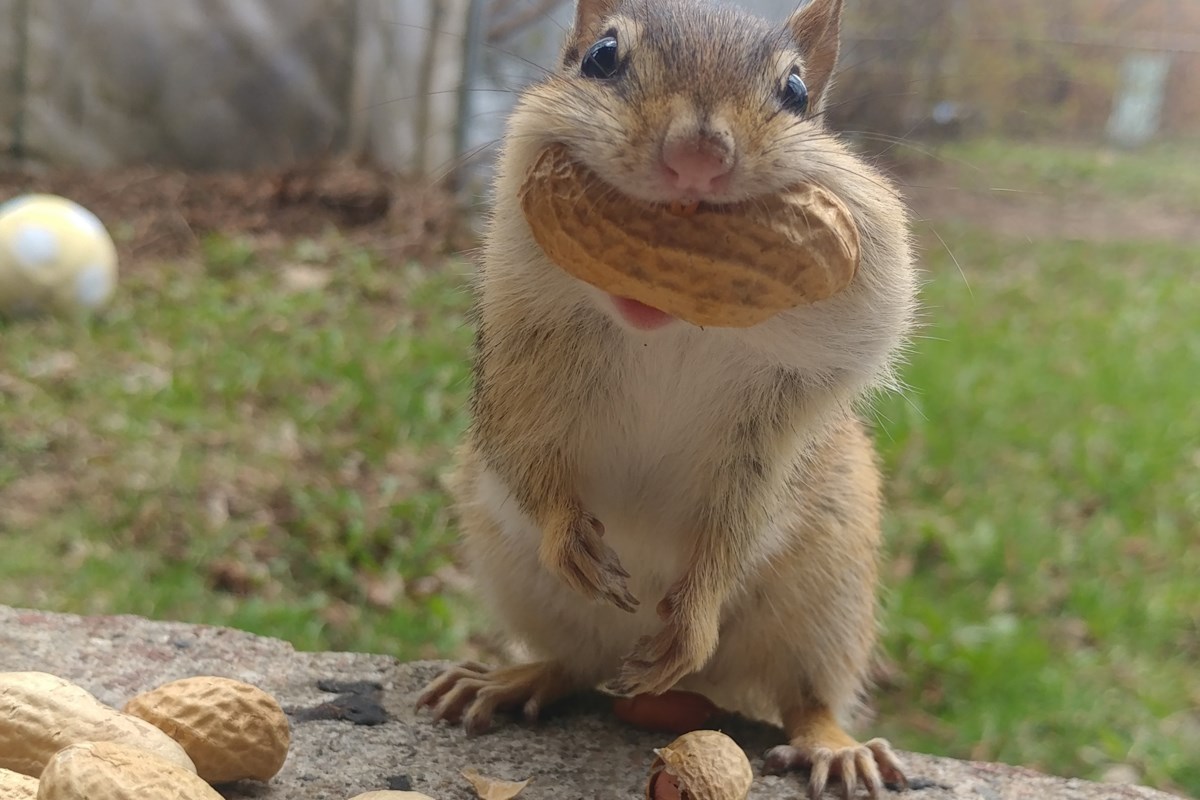
Forgetful critters bury thousands of nuts each autumn to prepare for winter, but fail to recover up to 74% of their hidden treasure … leading to next generation of trees
While many homeowners view squirrels as bird-feeder bandits, these bushy-tailed rodents are actually vital contributors to a healthy backyard ecosystem. Far from being mere pests, squirrels and chipmunks act as nature’s primary foresters.
The most significant benefit of having squirrels and chipmunks is their unique “caching” behaviour. Squirrels bury thousands of nuts and seeds each autumn to prepare for winter. Remarkably, they fail to recover up to 74 per cent of their hidden treasure. These forgotten acorns, walnuts, and hickory seeds often sprout into the next generation of trees, promoting biodiversity right in your own yard.
Beyond planting trees, squirrels contribute to the garden in less obvious ways:
Natural Aeration: Their constant digging for buried snacks lightly aerates the soil, allowing water and nutrients to reach plant roots more effectively.
Pest Management: Squirrels are known to consume various insects and larvae that might otherwise damage your garden plants.
Wildlife Watching: They provide endless entertainment and a vital connection to the local ecosystem, teaching us about the rhythms of nature.
But it’s not all good news; a squirrel can also be a gardener’s greatest nemesis
While they may look like adorable acrobats, squirrels are often the primary antagonists in the life of a dedicated gardener. To many, these bushy-tailed rodents are nothing more than “rats with better outfits,” capable of systematic destruction that can ruin a season’s hard work in a single afternoon.
The most immediate nuisance is their obsessive need to bury and retrieve food. Squirrels don’t just dig in the wild; they treat freshly mulched garden beds and expensive potted plants as their personal storage lockers.
This constant upheaval can:
Expose delicate root systems, causing young plants to wither.
Dislodge newly planted bulbs, which squirrels often snack on or simply leave to rot on the surface.
Create “divots” throughout the lawn that ruin its uniform appearance.
For those of you growing food, the frustration can be even higher.
Squirrels are notorious for taking a single bite out of every ripening tomato or strawberry, rendering the entire crop inedible. Their agility allows them to bypass most fences, and their intelligence helps them solve even the most complex “squirrel-proof” bird feeders, often damaging the equipment in the process.
Beyond the garden, their gnawing habit can extend to wooden decks, plastic irrigation lines, and outdoor furniture.
While they are a natural part of the environment, for the modern gardener, the squirrel is a high-energy pest that requires constant vigilance and an endless supply of deterrents.