

Listen to this article
Estimated 4 minutes
The audio version of this article is generated by AI-based technology. Mispronunciations can occur. We are working with our partners to continually review and improve the results.
Ottawa city council’s planning and housing committee has rejected an application to expand the city’s urban boundary south of Stittsville meant to allow for the development of a residential subdivision with 360 new homes.
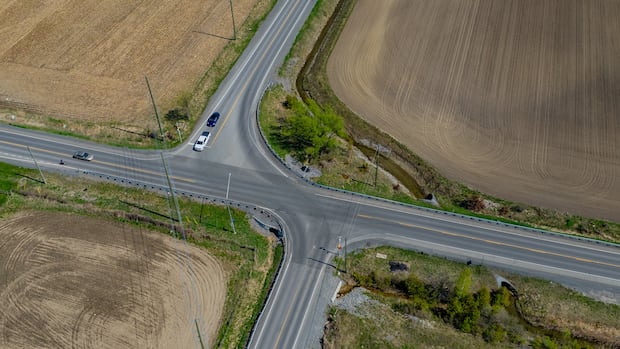
Caivan, a local real estate development company, filed the application to add approximately 16 hectares of land at the corner of Flewellyn and Shea roads to the city’s urban boundary.
The area is now largely vacant, considered part of Ottawa’s rural countryside, though the proposed parcel is adjacent to land to the north and west that was already approved for development by the company. That land was added to the urban boundary in 2022 as part of the city’s official plan.
Following the presentation of a staff report at a meeting of the committee Wednesday, councillors voted 8-3 to recommend council reject the application for the boundary expansion.
Coun. David Brown — who represents the Rideau-Jock ward where the development would be situated but is not a member of the committee — is also against the boundary expansion, according to the report.
“We went through a whole process back in the last term of council to identify how much the population may grow and what land do we need,” said Coun. Glen Gower, the committee’s vice-chair.
“In my opinion, and the numbers will back this up, there is so much land that’s already been approved for development that hasn’t been developed yet. We need to be focused on developing that land first before we start sprawling out any further from the existing city.”
‘This parcel is not needed right now’
Councillors Riley Brockington, Theresa Kavanagh and Tim Tierney voted against rejecting the expansion.
“When we accept pieces of land that are way out with no connections and then we refuse one that’s right beside a neighbourhood, I’m just puzzled,” Kavanagh said during the meeting. “I can’t support this.”
Staff explained there is already enough land within the city’s urban boundary to accommodate housing. The city has 25 years’ worth of residential land, whereas Ontario policies only require a minimum 15-year supply.
According to staff, there’s currently 1,581 hectares of available residential land that surpasses the provincial requirement by more than three years. Another 339 hectares that became eligible nearly two years ago will be added to the city’s land supply, boosting it by another six years.
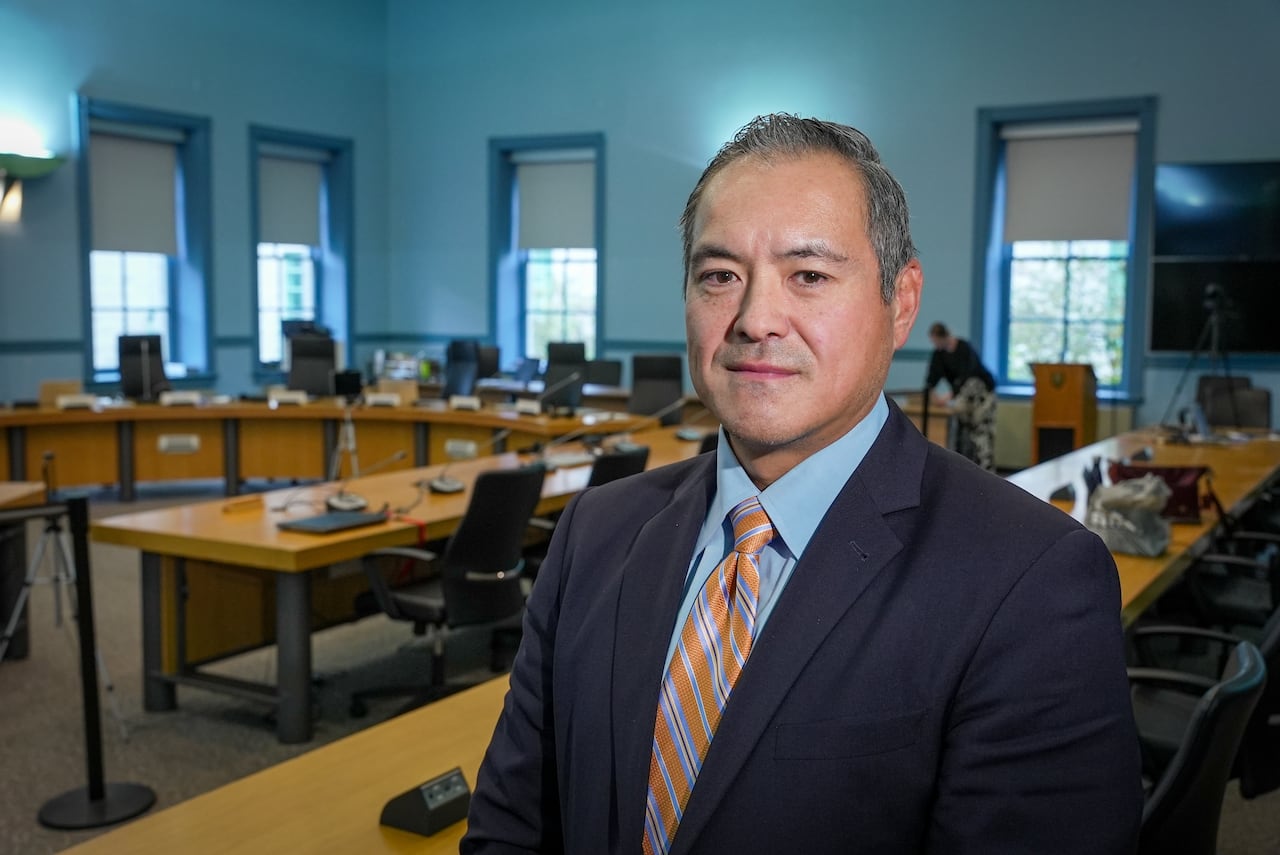 Royce Fu, the City of Ottawa’s planning policy manager, says city staff will evaluate potential expansion areas if additional land is needed. (Mathieu Deroy/CBC)
“Given our projection and official plan and that land supply, this parcel is not needed right now,” said Royce Fu, the city’s manager of policy planning.
Fu says staff are reviewing updated growth projections and population forecasts from Ontario’s Ministry of Finance and will evaluate potential expansion areas if additional land is needed.
The final decision on whether to reject the Caivan application will be made at city council, which next meets on May 27.
If council does vote in favour of staff’s recommendation, the city will have to defend its position at the Ontario Land Tribunal. Staff told the committee this is one of five urban expansion matters heading before the tribunal.
A slew of developer applications were submitted to the city after Ontario significantly changed provincial planning rules in 2024, requiring the city to accept requests for urban boundary changes at any time, not only during periodic comprehensive reviews.
“The province has made it clear that they want these one-off applications to move their way through the process,” said Coun. Jeff Leiper, who chairs the committee. “I hope that our legal staff will defend the integrity of the process that the city has created and put this back on a more coherent path.”