

The city of Toronto could soon have a new tool in its battle against scofflaw drivers: noise cameras are up for discussion Thursday afternoon at city council’s monthly meeting.
Coun. Lily Cheng is introducing a motion at this week’s council meeting that calls on staff to look into bringing noise cameras to the streets of the city to catch drivers making excessive noise. She wants city staff to look into noise camera use in other jurisdictions to find out what technology works best.
Accompanying her motion is a letter of support with 264 signatures.
“People are racing in the streets, they have their modified mufflers,” she said. “They’re waking up seniors, waking up children. It really affects people’s quality of life.”
Cheng says she’s seen an increase in complaints about drivers who needlessly rev their engines, or modify their vehicles in such a way that they become much louder.
Ultimately, she would like to see a noise camera pilot project set up.
She wants staff to ask the province to make whatever regulatory changes are necessary to allow the city to run the project. That permission is needed because only the province has the power to issue fines based on vehicle information, such as licence plate numbers.
In 2024, a city staff report highlighted some of the challenges bylaw officers faced enforcing noise bylaws when the culprit is in a moving vehicle. Staff asked the province to clear the way for a city-run noise camera pilot project.
Staff told CBC Toronto Wednesday they have not yet received a reply.
CBC Toronto reached out to the Ministry of Municipal Affairs and Housing on May 15 to find out how receptive it would be to a Toronto-based noise camera pilot project. The ministry did not respond.
Noise from moving vehicles creates challenge for bylaw
The city noise bylaw is broken down into many categories that regulate what types of sound are allowed and at what decibel levels, at particular times of day.
Cheng’s motion keys in on the section of the noise bylaw that relates to vehicles. That section says engine noise from stationary vehicles cannot exceed 96 decibels. By comparison, a vacuum cleaner produces about 85 decibels.
Moving vehicles are a much more challenging problem, Cheng says.
The city’s own website states: “You can submit a complaint for excessive noise from moving vehicles, but it will not be investigated. The complaint will be collected as data to plan future enforcement initiatives.”
Fines for violating sections of the noise bylaw range from $500 to $900.
Kathleen Payne, of No More Noise Toronto, an organization that’s been asking the city to bring noise camera technology here, said the cameras are equipped with microphones that will only capture sounds above the legal threshold, which varies in Toronto, depending on the source of the noise and the time of day.
The camera would then capture the licence plate of the vehicle associated with the noise. Police would review the images and sounds and decide whether a noise infraction would be issued to the owner in the mail, Payne said.
 Kathleen Payne is communications director of No More Noise Toronto, an organization that’s been advocating to bring noise cameras to this city. She says they’ve been used successfully in other parts of the world and could help crack down on drivers who make too much noise on Toronto’s streets. (Tina MacKenzie/CBC)
Payne agrees noisy vehicles have become a major problem, especially as the city grows upward.
“All these beautiful tall condo towers create noise corridors,” she says. “The sound bounces back and forth — it’s not just affecting people at ground level.”
For some people, the noise can exacerbate health problems too, specifically cardiac and hearing issues, she says.
“It’s terribly stress-inducing,” she said.
Noise cameras aren’t the city’s first venture into automated traffic regulation. It currently operates about 300 red light cameras, which brought in roughly $45 million last year, city records show.
Automated speed cameras, like the one the city operated on Parkside Drive that was repeatedly cut down by vandals, were outlawed by the province last November after Premier Doug Ford deemed them a “cash grab.”
Payne said the latest noise cameras are placed within traffic signal stands, putting them out of reach of vandals.
Noise cameras could pose enforcement pitfalls: paralegal
But one paralegal said the city could have problems enforcing the new noise bylaw tickets.
Sean O’Connor, a former director of the Ontario Paralegals Association, said he has successfully challenged about 20 red light camera tickets on the grounds that the technology is imperfect. He questions whether noise camera technology is advanced enough to be reliable and to stand up in court.
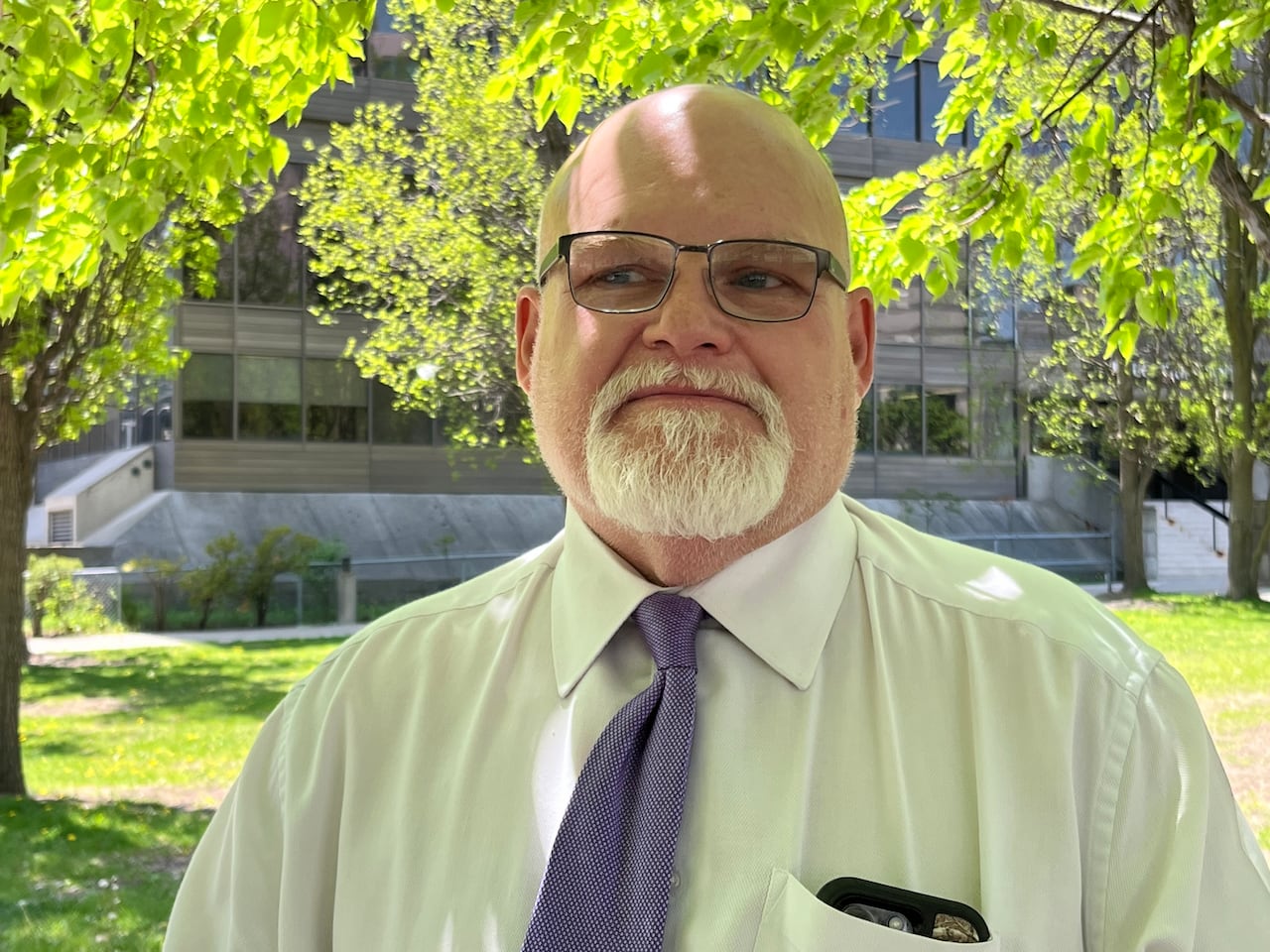 Paralegal Sean O’Connor questions whether noise camera technology is advanced enough to be reliable and to stand up in court, although he acknowledges street noise can be a problem. (Mike Smee/CBC)
O’Connor says he has argued that the mechanisms are improperly calibrated and tested, arguments that he believes could apply to the new noise cameras as well.
“I’m skeptical,” he said. “They have to be able to guarantee that the sound level being emitted is against the city bylaws.”
He also questioned whether the cameras could violate privacy rights by picking up private conversations being held within vehicles.
In Edmonton, which is also poised to implement noise cameras, Coun. Michael Janz is convinced the measure will be good for the city, and he dismissed privacy concerns.
“Driving is a privilege, not a right,” Janz said. “Noisy drivers are often distracted drivers. I think this is going to save lives.”