
The speed differential between the two at a circuit like Silverstone is roughly half a minute per lap. Transpose that performance to a venue with the Nordschleife’s characteristics and you are not producing a more exciting version of what Verstappen did last weekend. You are producing something extremely dangerous.
None of which makes the nostalgia illegitimate. Verstappen’s weekend was a reminder that the format Formula 1 has built — controlled, sterile by comparison, optimised for broadcast and accessibility — produces a particular kind of excitement and categorically cannot produce another kind.
There is something Formula 1 used to have access to that it no longer does, and it is not coming back.
The contrast is part of what made last weekend so compelling. Verstappen at the Nürburgring works as a spectacle partly because Formula 1 doesn’t do this.
The illegibility of it – a four-time world champion navigating GT3 traffic through the Carousel at three in the morning – derives some of its power from being extraordinary rather than routine.
If Formula 1 raced at the Nordschleife, the Nordschleife would become another venue on the calendar, subject to the same licensing standards, the same run-off requirements, the same Armco specifications that govern everywhere else.
It wouldn’t look like what we saw last weekend. It would look like the F1 version of it.
The circuits F1 had to leave behind
Nordschleife
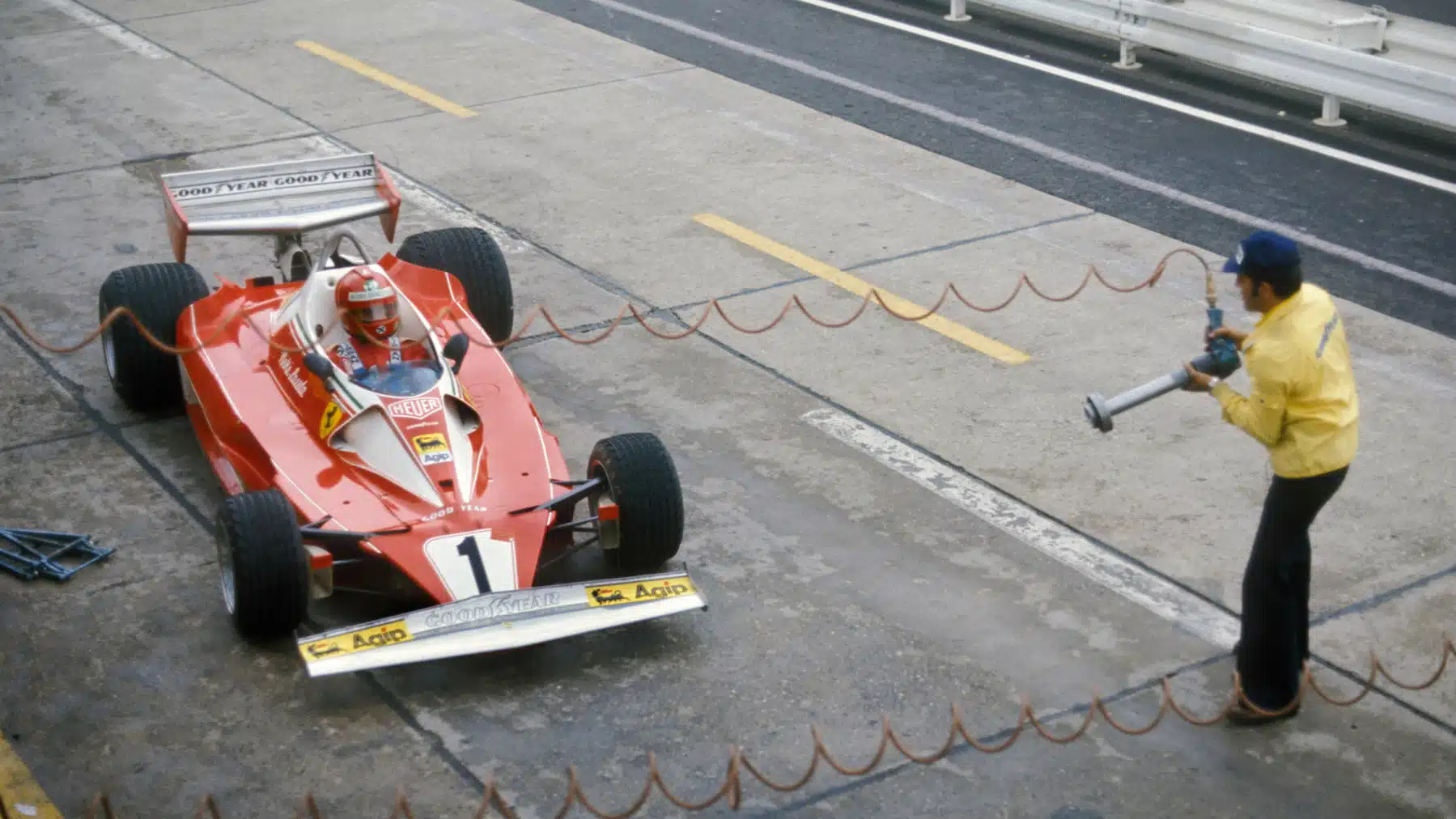
Lauda at the Nordschleife before his accident in 1976
The spiritual home of the argument. At roughly 13 miles, the original grand prix circuit wound through the Eifel mountains with minimal run-off, solid barriers and terrain that punished any mistake with finality.
Niki Lauda’s near-fatal accident in 1976 effectively ended its world championship life. Formula 1 still visited the Nürburgring not so long ago – just not the circuit that made it legendary.
Österreichring
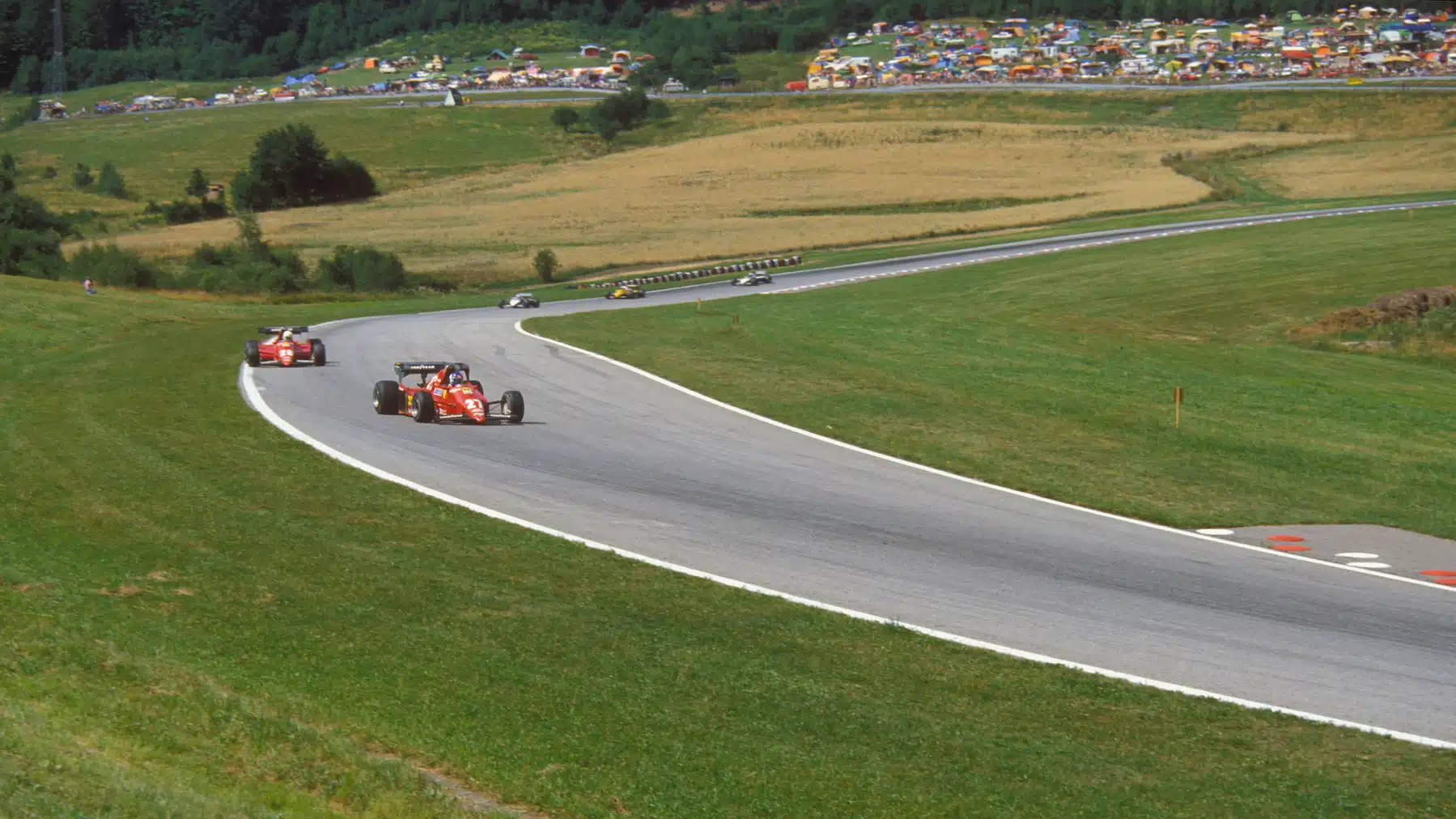
The Österreichring was turned into the current Red Bull Ring
Grand Prix Photo
The original Österreichring was one of the most breathtaking circuits Formula 1 ever visited – a sweeping, high-speed layout through the Styrian hills that demanded absolute commitment at speeds that left almost no margin for error.
Heavily modified in the 1990s and reborn as the Red Bull Ring, it retained the setting but shed much of what made it extraordinary. The current circuit is a shadow of what stood there before.
Brands Hatch
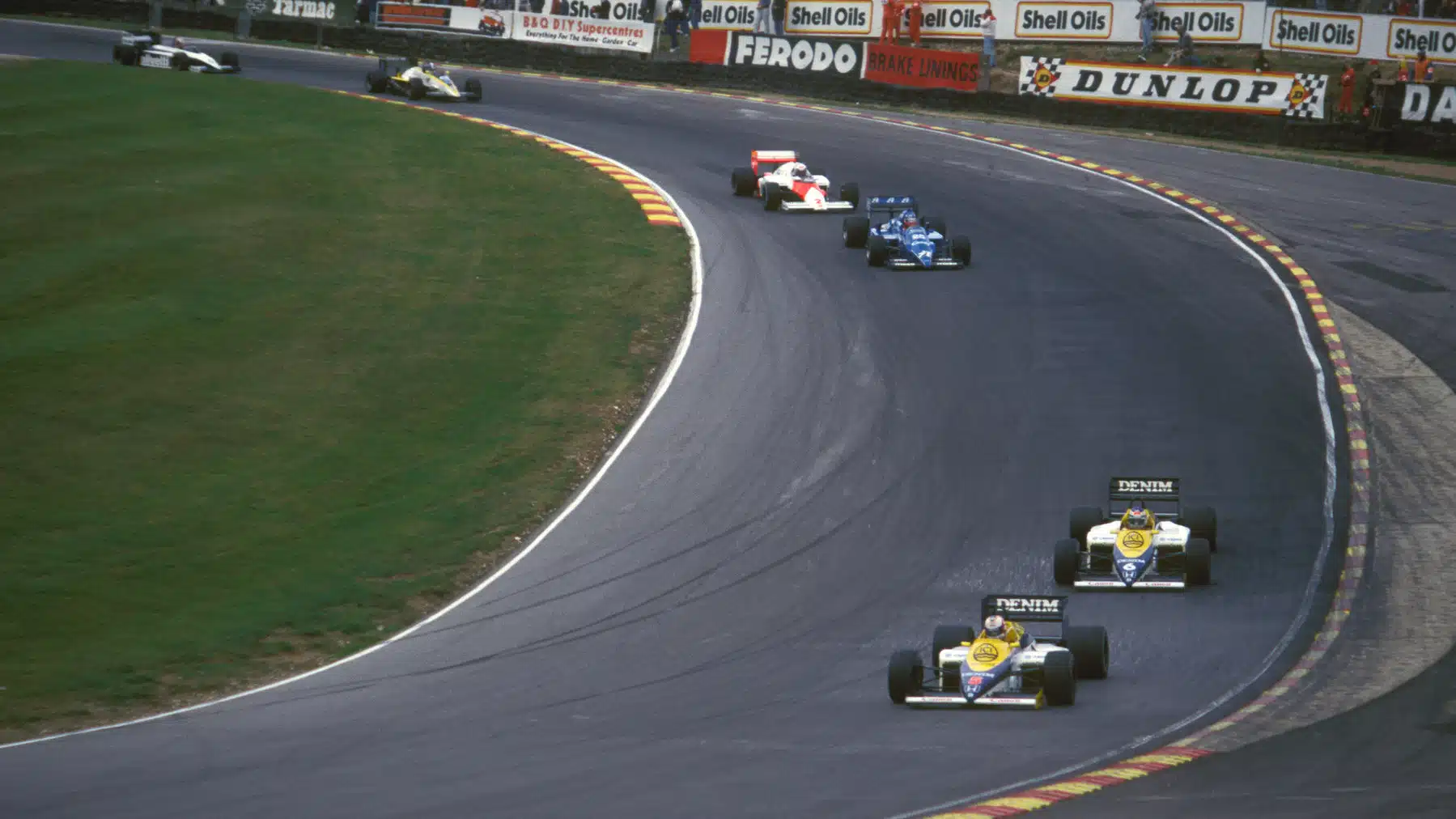
Brands Hatch last hosted an F1 race in 1986
Grand Prix Photo
Brands Hatch last hosted a British Grand Prix in 1986 and has not returned to the calendar since, largely because its infrastructure and run-off could not be upgraded to meet modern FIA standards without destroying the characteristics that made it special.
The plunging drop into Paddock Hill Bend, the blind crests, the intimate amphitheatre – all of it incompatible with the circuit licensing requirements a contemporary Formula 1 race demands.
Watkins Glen
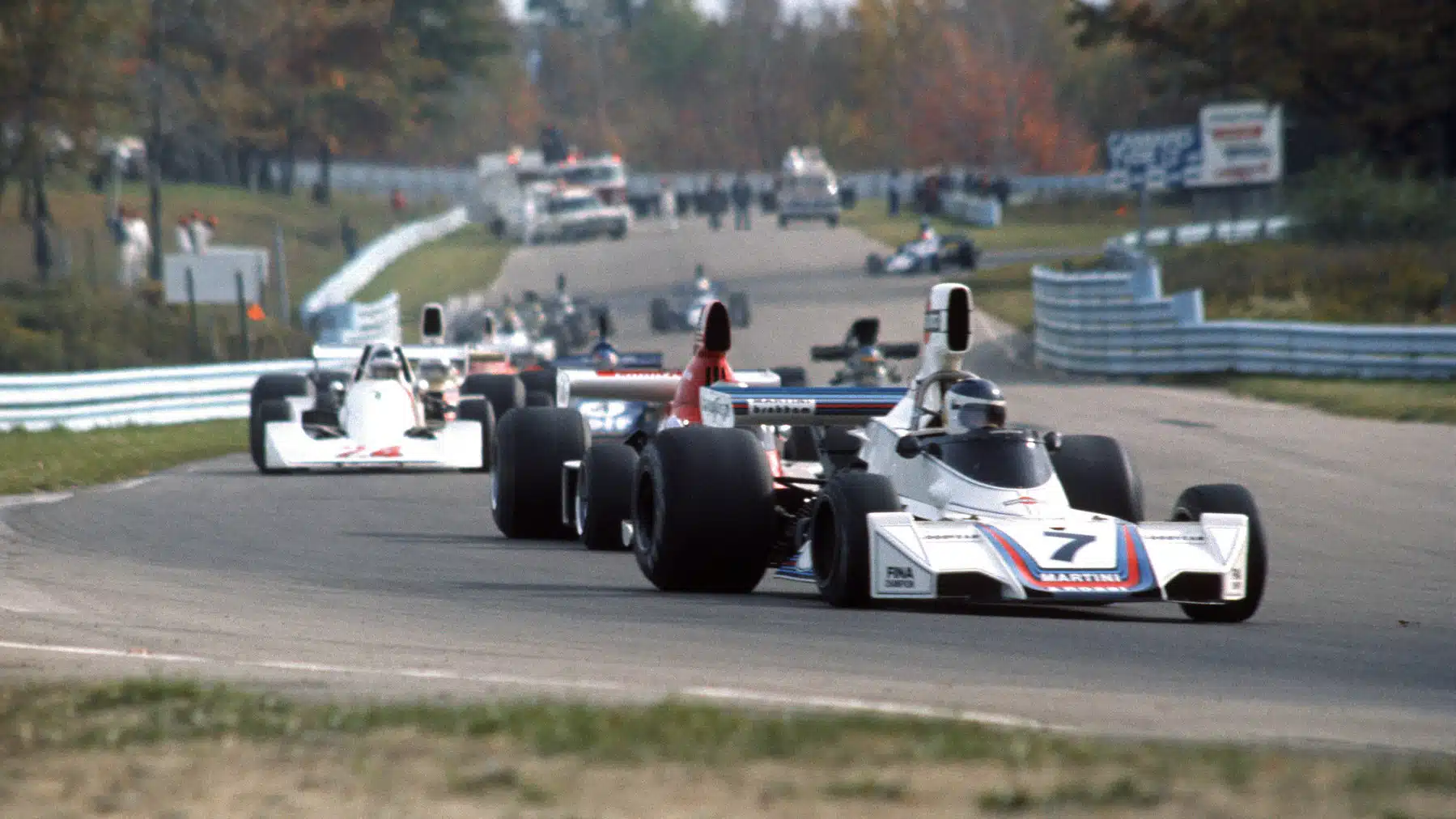
Watkins Glen hosted F1 for nearly two decades
Grand Prix Photo
The Glen hosted the United States Grand Prix from 1961 to 1980 and was beloved by drivers for its fast, flowing layout through upstate New York woodland.
It left the calendar as the sport’s commercial ambitions outgrew what a relatively modest American venue could provide, and successive attempts to bring Formula 1 back to the site have come to nothing. It remains one of the circuits the sport remembers most fondly and is least likely to see again.
Bremgarten
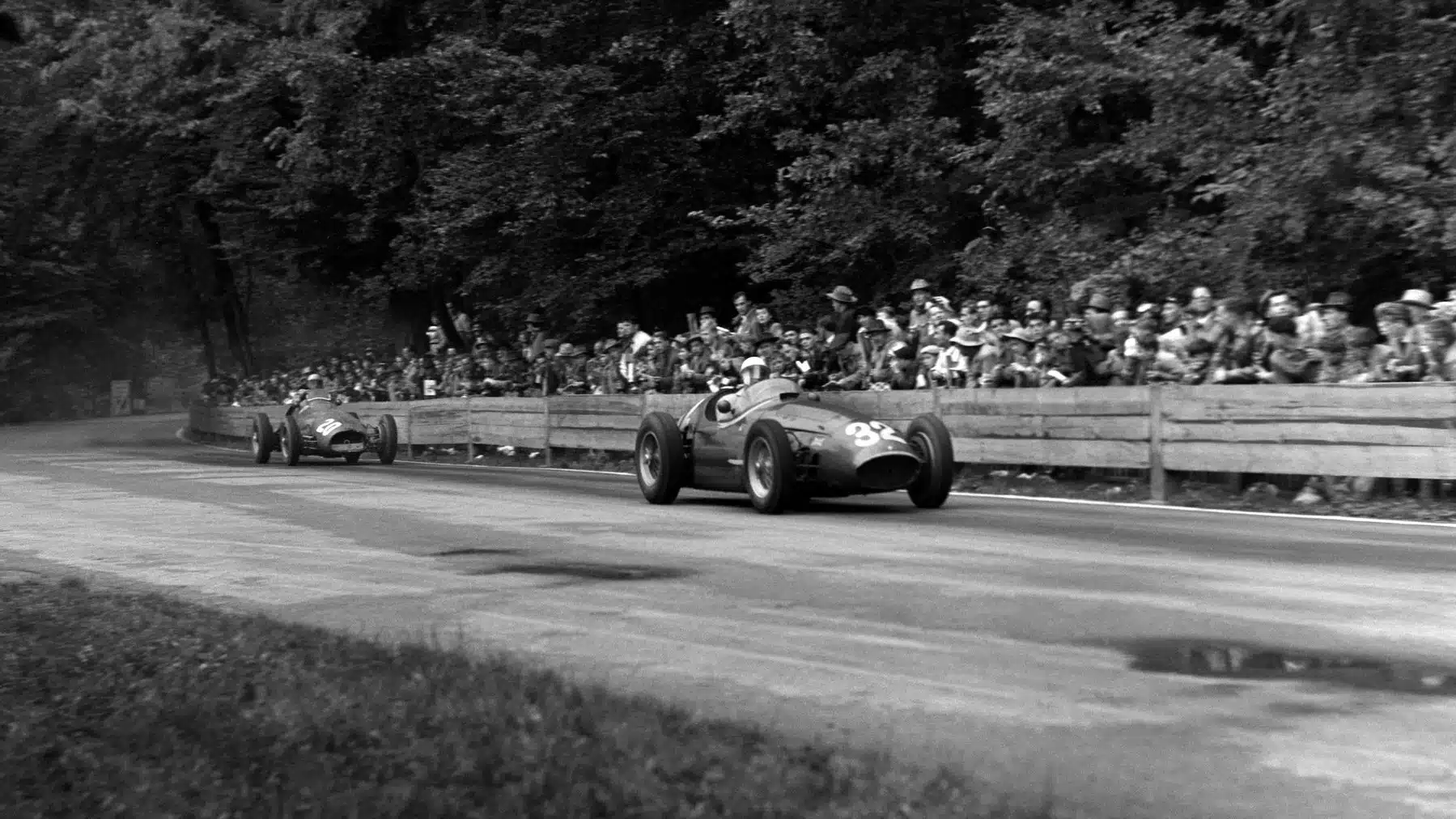
Stirling Moss leads the Swiss GP at Bremgarten in 1954
Grand Prix Photo
A forested road circuit on the outskirts of Bern that hosted the Swiss Grand Prix through the early 1950s. Narrow, tree-lined and unforgiving, it was considered one of the most beautiful and most dangerous circuits of its era.
Switzerland banned motor sport entirely after Le Mans 1955, and Bremgarten has been silent ever since. Some circuits don’t get retired, they get abolished.
Pescara
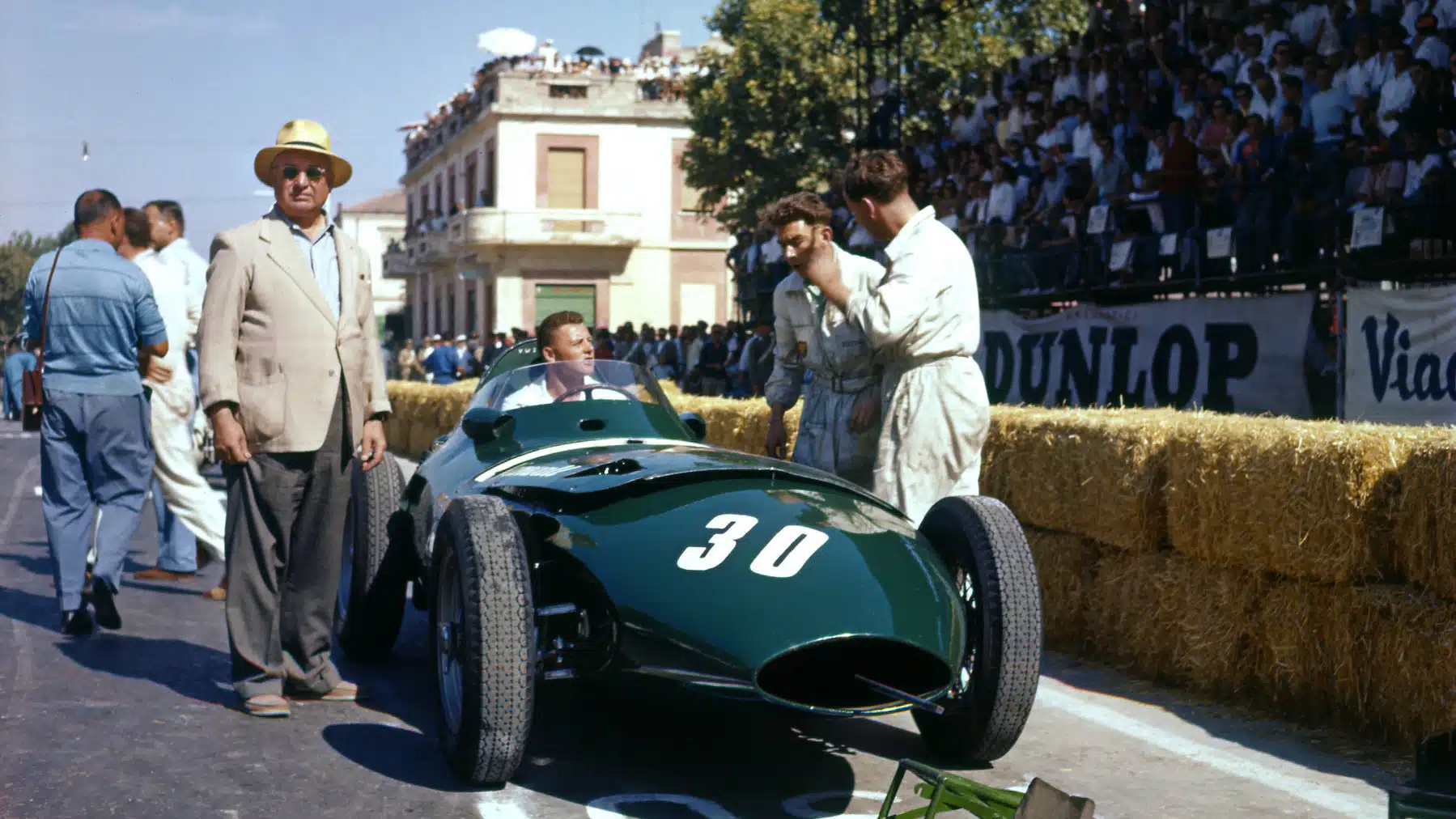
Pescara only hosted one F1 race
Grand Prix Photo
Pescara hosted exactly one world championship round, in 1957, and that was arguably one too many.
A 16-mile course through the Abruzzo countryside, past stone walls, telegraph poles and unprotected village spectators. Stirling Moss won that day; the circuit was dropped immediately afterwards.
Even by the standards of an era with a generous tolerance for danger, Pescara was considered a step too far, so much so that Ferrari decided to skip the race out of fear for its drivers.