

Listen to this article
Estimated 4 minutes
The audio version of this article is generated by AI-based technology. Mispronunciations can occur. We are working with our partners to continually review and improve the results.
Nearly two months after the Canadian government passed a new law limiting how and when refugee claimants can apply for asylum, some Toronto lawyers say they’re seeing the results in their offices — and mobilizing to challenge the law in federal court.
“We’ve been seeing a ton of now-ineligible refugee claimants come to our centre seeking help,” said Joshua Eisen, in-house lawyer at the FCJ Refugee Centre in Toronto.
“People are very panicked, very, very anxious.”
The Liberal government has framed Bill C-12 as a way to reduce the backlog of claims, and deter people from misusing the asylum system.
It stops those who came to Canada more than a year earlier from filing claims with the Immigration and Refugee Board of Canada. The law is retroactive to those arriving or visiting after June 24, 2020, and applies to claims made on or after June 3, 2025.
After the bill received royal assent in late March, a wave of letters went out to about 30,000 applicants across the country, telling them they may be ineligible for refugee hearings because of their application timeline.
Some of those people have found their way to Toronto immigration lawyer Ravi Jain, who says he’s seen a number of clients from countries where they may face persecution, like Iran, or who come from vulnerable groups like LGBTQ+ community.
“We have clients right now that have pending refugee claims and they’ve been given letters saying they are not eligible. So they’re panicking,” he said.
‘Safeguards firmly in place’: Ottawa
For lawyers like Jain and Eisen, the next task is to brief clients no longer eligible for a refugee hearing on their options.
In some cases, that means preparing for a pre-removal risk assessment (PRRA) — a paper-based process handled by immigration officers available to some claimants.
“It’s different from a refugee claim,” explained Eisen.
“There are fewer procedural protections and the chance of success is, at least historically, much lower. But it is the way of potentially being able to remain in Canada if you can show that there’s a risk that you’re facing in your country of origin.”
Asked about the change in procedure, Immigration, Refugees and Citizenship Canada (IRCC) told CBC Toronto in a statement that “safeguards remain firmly in place” through the PRAA.
“This process ensures that no one is removed to a country where they would face risks such as persecution, torture, or risk to life,” wrote Mary Rose Sabater, spokesperson for the IRCC.
But lawyers like Maureen Silcoff argue that the change runs contrary to Canada’s Charter of Rights and Freedoms and the Bill of Rights.
“Our concern is that eliminating the right to a day in court, which is a basic feature of our democratic system, and relegating protection claims to a paper review by an immigration officer doesn’t make sense because of the high stakes of these decisions,” she told CBC Radio’s Metro Morning host Chris Glover during an interview last week.
Federal challenge taking shape
Earlier in May, a federal court granted a request to case-manage dozens of constitutional challenges against the new asylum law — a process used for large or complex litigation that allows a judge to decide on core constitutional issues shared between them.
Silcoff, who has submitted several cases for judicial review as part of the challenge, said 39 individuals have come forward so far and filed cases as part of it.
“Its still at very early stages,” she said. “We’re mindful that there could be hundreds if not thousands of individuals in this situation.”
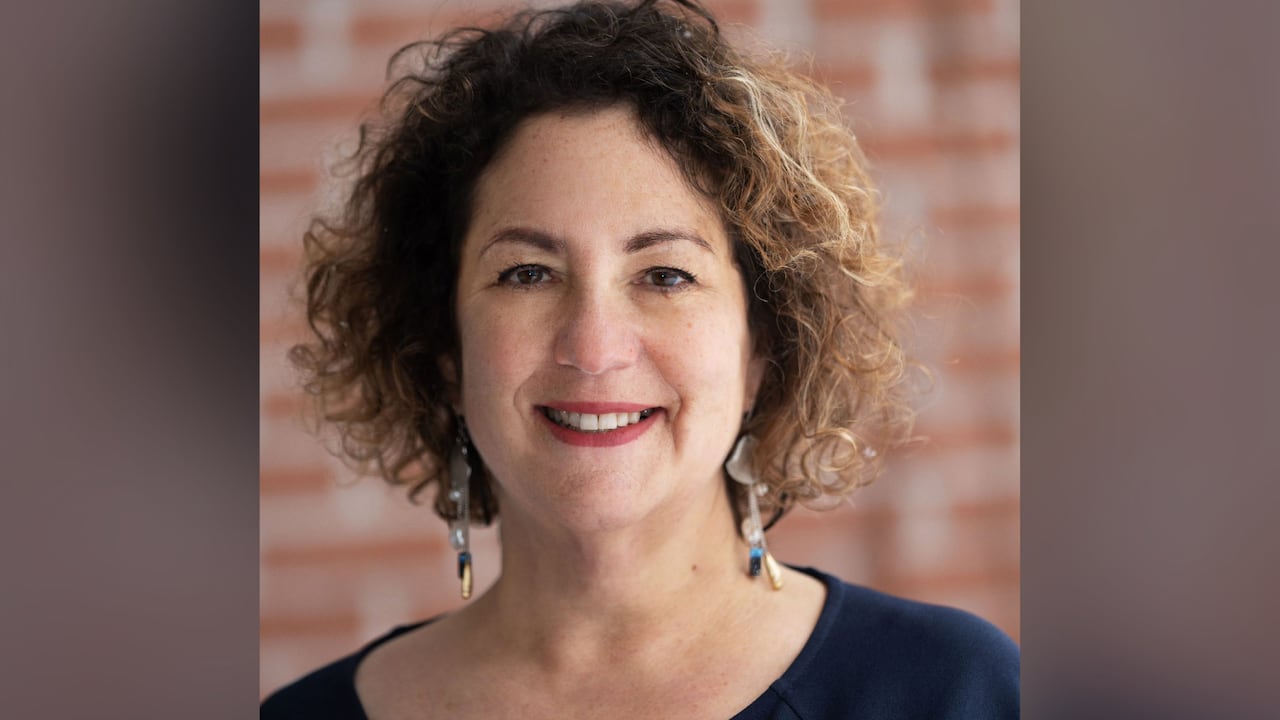 Lawyer Maureen Silcoff says the new pre-removal risk assessment process is no replacement for a hearing with the Immigration and Refugee Board. (Submitted by Maureen Silcoff)
The IRCC says some 30,000 applicants were informed they may now be ineligible for hearings, but Silcoff says the number of people impacted by C-12 will only grow as more people who were waiting for an eligibility decision are contacted, and still others attempt to apply for refugee protection for the first time after spending more than a year in the country.
Silcoff says the lawyers involved in the challenge and their clients are now waiting for the acting chief justice to appoint a judge to handle the case management process.
In its response to the constitutional challenge, the federal government previously told CBC News that the pre-removal process now in place is fair and legally sound.