
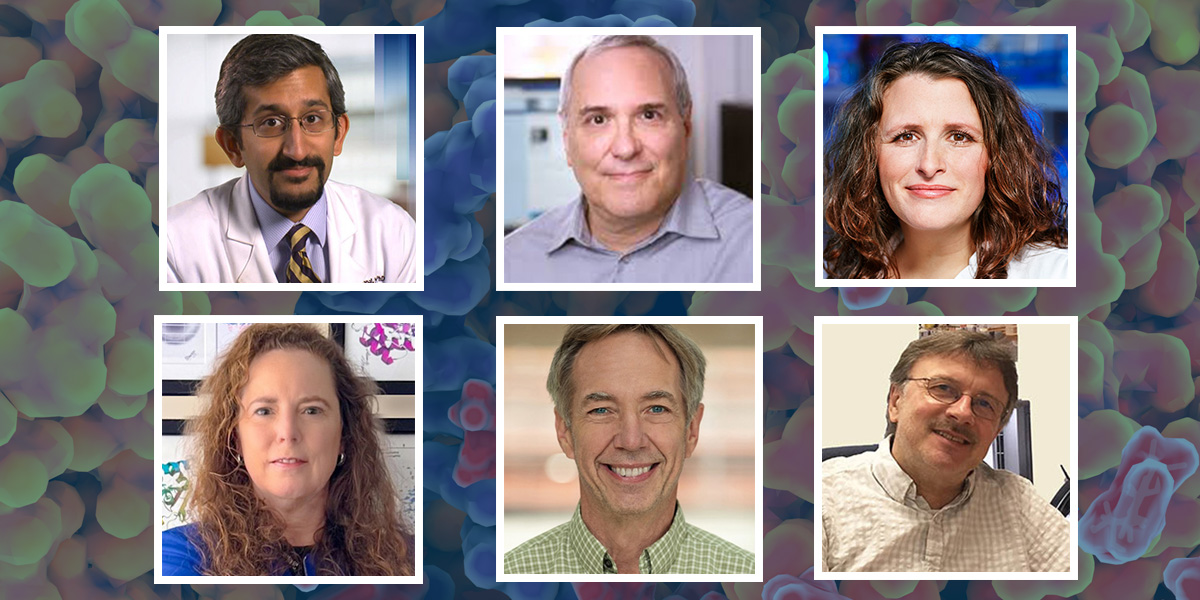
The American Society for Pharmacology and Experimental Therapeutics has announced the recipients of its 2026 Scientific Achievement Awards, including American Society for Biochemistry and Molecular Biology members Simone Brixius–Anderko, Paul Insel, Sudarshan Rajagopal, Emily Scott, Alan Smrcka and Jürgen Wess.
Simone Brixius–Anderko
Brixius–Anderko, an assistant professor of pharmaceutical science at the University of Pittsburgh School of Pharmacy, received an ASPET Journals Top Reviewer Award for the ASPET journal Drug Metabolism and Disposition. This award recognizes top-performing reviewers from the previous 24-month period for their time, dedication and expertise as an ASPET volunteer manuscript reviewer. Her lab investigates the structure and role of human cytochrome P450 enzymes in human health and disease, particularly fatty acid metabolism, cancer and infectious disease. As a postdoctoral fellow, she solved several types of P450 structures, which are drug targets for hypertension and Cushing’s Disease.
Paul Insel
Insel, a distinguished professor emeritus of pharmacology and medicine at the University of California, San Diego, received the E. Leong Way Emeritus Travel Award. This award provides financial support to an ASPET emeritus member to attend the ASPET annual meeting. His previous research focused on G-protein coupled receptors, or GPCRs, and their roles in cell signaling, regulation, health and disease. His work ultimately identified GPCRs as potential targets for cancer therapy. Insel was elected a fellow of the British Pharmacological Society, ASPET, the American Association for the Advancement of Science and the American Physiological Society. He also received a Docteur Honoris Causa from the University of Paris and multiple previous awards from ASPET.
Sudarshan Rajagopal
Rajagopal, an associate professor of medicine at Duke University School of Medicine, received an ASPET Journals Top Reviewer Award for the ASPET journal Molecular Pharmacology. His lab investigates GPCR signaling and its potential to regulate inflammation in vascular disease. His research focuses on biased agonism in the chemokine system, which consists of approximately 20 receptors and 50 ligands that regulate immune cell function in inflammatory diseases. Rajagopal also serves as co-director of the Duke Pulmonary Vascular Disease Center, an associated editor of Molecular Pharmacology and an editorial board member of the Journal of Biological Chemistry.
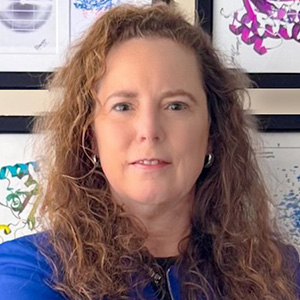
Emily Scott
Scott, a professor of medicinal chemistry at the University of Michigan, received the B.B. Brodie Award in Drug Metabolism and Disposition. This award recognizes outstanding original research contributions in drug metabolism and disposition, particularly those having a major impact on future research in the field. Her lab studies the structure and function of P450s involved in disease and its treatment. The team has determined many known structures for P450s involved in the metabolism of foreign chemical substances, or xenobiotics, and in the biosynthesis of steroid hormones, bile acids and fatty acids. These structures help guide the development of inhibitors in disease pathways, including prostate cancer, type 2 diabetes and nonalcoholic fatty liver disease. Scott is an ASPET and AAAS fellow.
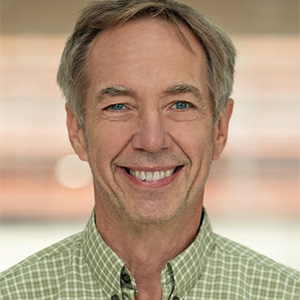
Alan Smrcka
Smrcka, a professor of pharmacology at the University of Michigan Medical School, received the Robert R. Ruffolo Career Achievement Award in Pharmacology. This award recognizes the scientific achievements of scientists who are at the height of their careers and who have made significant contributions to pharmacology. His lab focuses on understanding how GPCRs mediate signal transduction at the mechanistic and physiological levels. His lab identified G protein-mediated pathways that regulate phospholipase C activities at the cell surface and on intracellular organelles, demonstrating their importance in cellular physiology. His work also showed that targeting G protein subunits can lead to innovative treatments for cardiovascular disease, inflammation and pain. Smrcka is an ASPET fellow and a JBC editorial board member.
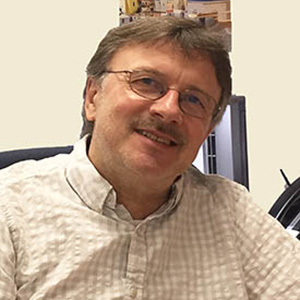
Jürgen Wess
Wess, the chief of the Molecular Signaling Section in the Laboratory of Bioorganic Chemistry at the National Institute of Diabetes and Digestive and Kidney Diseases, received the Julius Axelrod Award for Biochemical Mechanisms Underlying Drug Action and Mentoring. This award recognizes significant contributions to understanding the biochemical mechanisms underlying the pharmacological actions of drugs and contributions to mentoring other pharmacologists. His lab investigates the structure, function and physiology of GPCRs. In addition, Wess’ group generates and analyzes GPCR mutant mice to identify signaling pathways as potential novel therapeutic targets for metabolic diseases, including obesity and type 2 diabetes. Wess is an ASPET and AAAS fellow.