
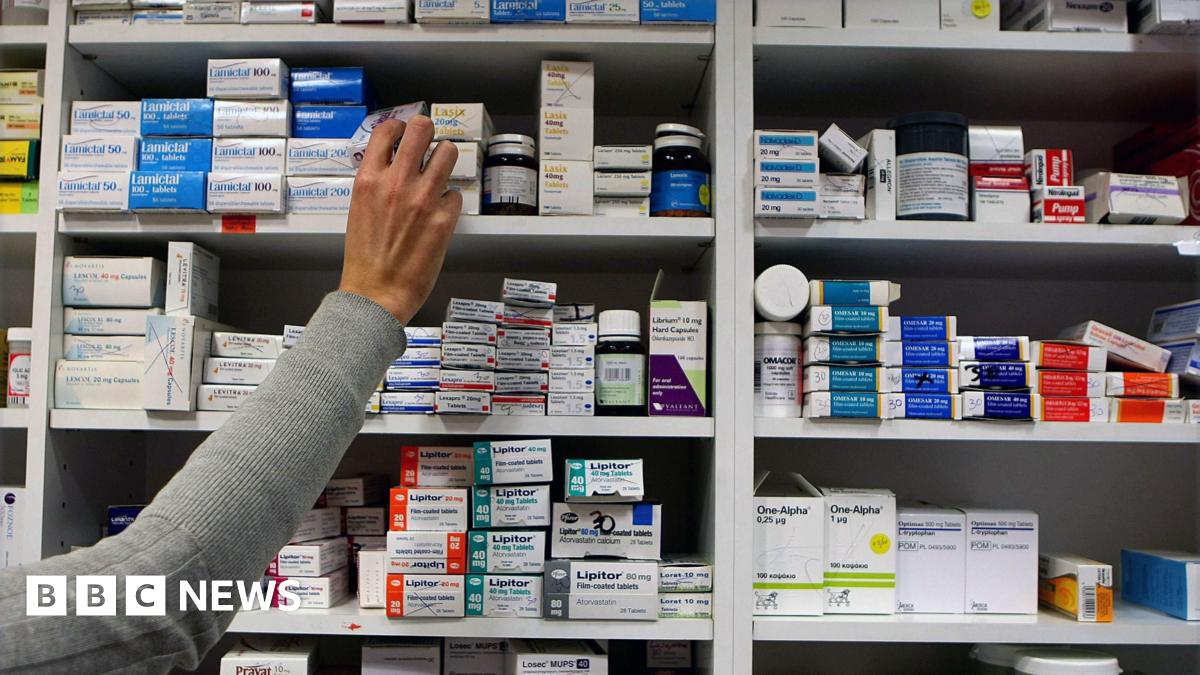
Gillian-Ann Wordsworth, 84, takes Apixaban to prevent and treat blood clots for her heart condition.
In recent weeks it has been out of stock and Wordsworth has been put on an alternative medication.
She said: “They can’t get the Apixaban, so I was without medication all day Saturday. It’s all a bit worrying because after all, it is the heart at the end of the day.”
Jones said: “A lot of very commonly used medications have gone into short supply in a very short period of time.”
He added that, as well as international problems exacerbating the shortages, “the drugs budget is simply too small”.
Currently the NHS pays pharmacies a fixed price for each medicine it dispenses.
Pharmacies then have to try and source the drug for that amount, or less.
But when the price goes above what the NHS pays, the medication is placed on the government’s price concessions list.
Last month, the list hit a record high with 210 named medications on it.
Pharmacy owners will usually be reimbursed for drugs on the list at the new price.
However, when market prices rise suddenly – often above the original tariff and even above the concession price offered – pharmacies end up dispensing medication at a loss.
Jones said this happens all the time.
“A high volume medication we dispense a lot of is Apixaban, we’re currently getting paid circa £3 for that medication [from the NHS], it’s costing us £6…it’s a difficult situation,” he explained.
He said it makes it harder for pharmacies to buy enough stock for all of their patients and increases the chance that people will face delays or sudden shortages.