
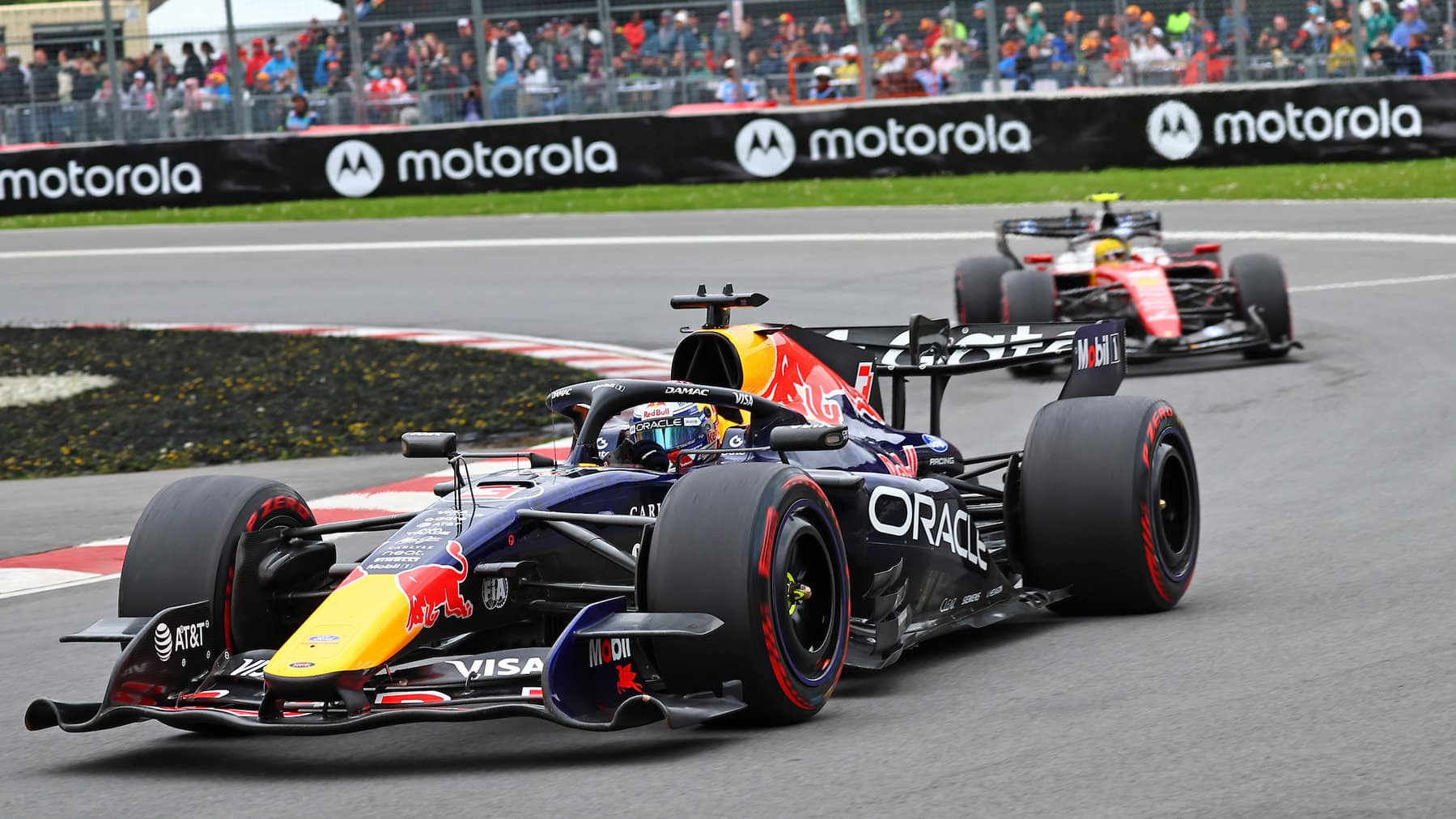
Compare and contrast 41-year-old Lewis Hamilton and 28-year-old Max Verstappen and their thoughts about their future in F1.
In Montreal, Hamilton, responding to rumours that he might use the British Grand Prix to announce his retirement (effective at the end of the year) could hardly have been clearer in batting that away. “No. I’m going to be here for quite some time, so get used to it,” he said. “There’s a lot of people that are trying to retire me and that’s not even on my thoughts. I’m already thinking of what will be next, planning for the next five years. But yeah, still plan to be here for some time.”
Verstappen, after initially saying he planned to stay around now that the FIA had confirmed an agreement in principle to reduce the electrification of the power units from next year to a 60-40 combustion-electric split, then spelt out that if that change didn’t happen, he was definitely leaving.
The prospect of that regulation change not happening is real as there is not yet the required level of support for it from the power unit manufacturers. There were senior team people saying unofficially in Montreal that ‘the 60-40 regs are dead’.
In response to that, Verstappen said, “If it stays like this, it’s just not mentally doable for me. Absolutely not.”
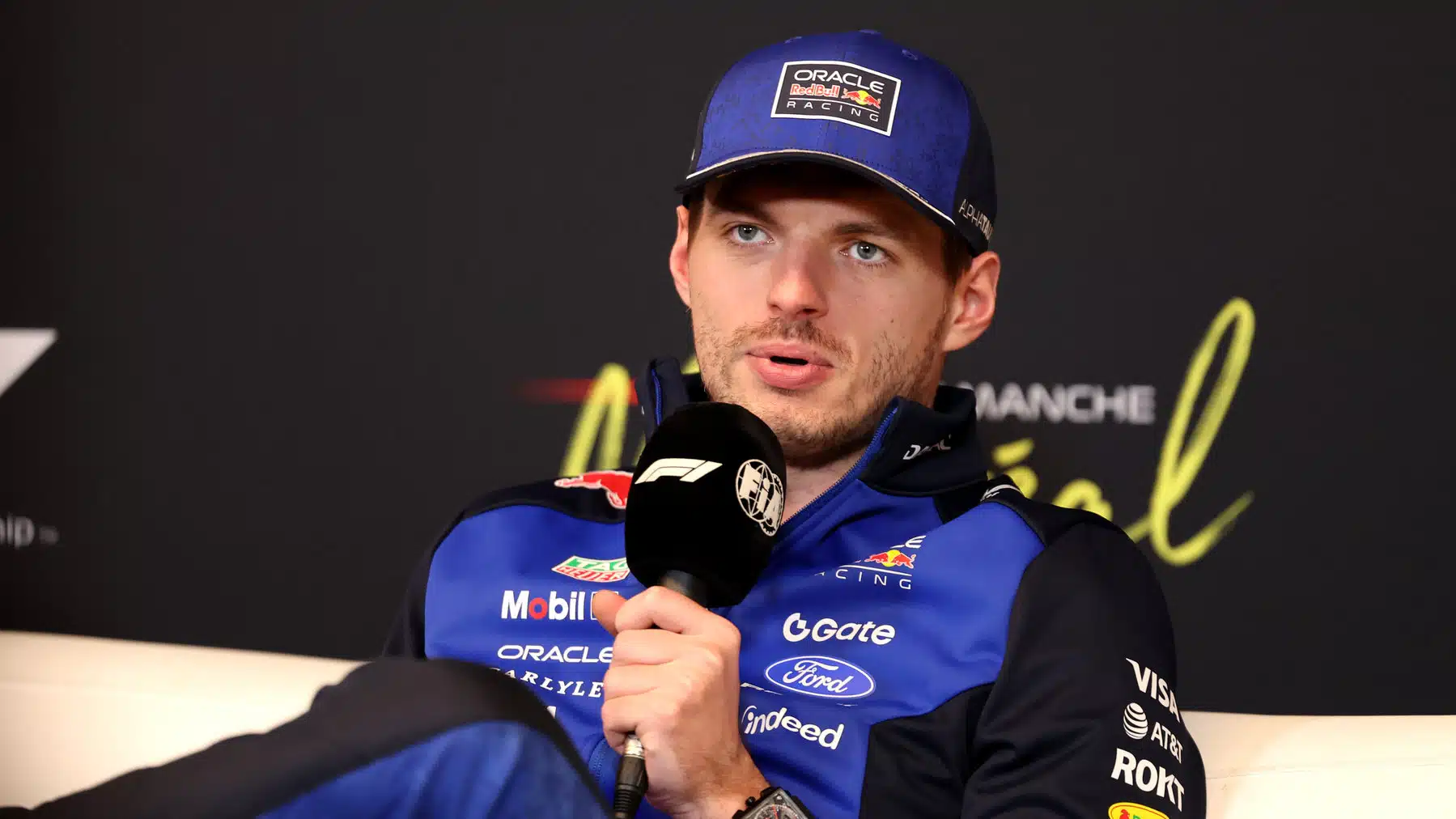
Verstappen insists he will quit unless the rules change
Red Bull
In the post-race press conference, he gave further detail. “This season, of course, I’ve been racing also different kind of cars and especially last week, that reminds me how pure motor sport can be and how great the racing can be,” he said in reference to his GT3 outing at the Nürburgring. “So, yeah, when I come back here into Formula 1… the thing is here, mostly we’re the best drivers in the world. So even if you would give us a rental car, we’ll give you a good show and we’ll race each other very hard and well. So it has nothing to do in that sense with the rules. But for me, while driving it’s all a bit confusing. It’s not what Formula 1 should be about. It’s way too complex, all of this.
“Most of the rules, the fans don’t even know what we are dealing with while driving, what is allowed when you’re behind or when you’re the car ahead, what we have to do on a formation lap or what we have to do in an out-lap, or how much battery that we’re allowed to charge. All these things are just such a shame that we have to deal with all these things.
“And, yeah, for me F1 just needs to be more pure and I really hope that what they try to do next year will go through because I think that is necessary, the minimum necessary, to make it a bit more natural and a bit more back to normal, or at least a bit more pure racing… People will say, ‘Oh, but look now, the show is great, the cars were fighting,’ but we’d give that show in anything. It just needs to be more pure.”
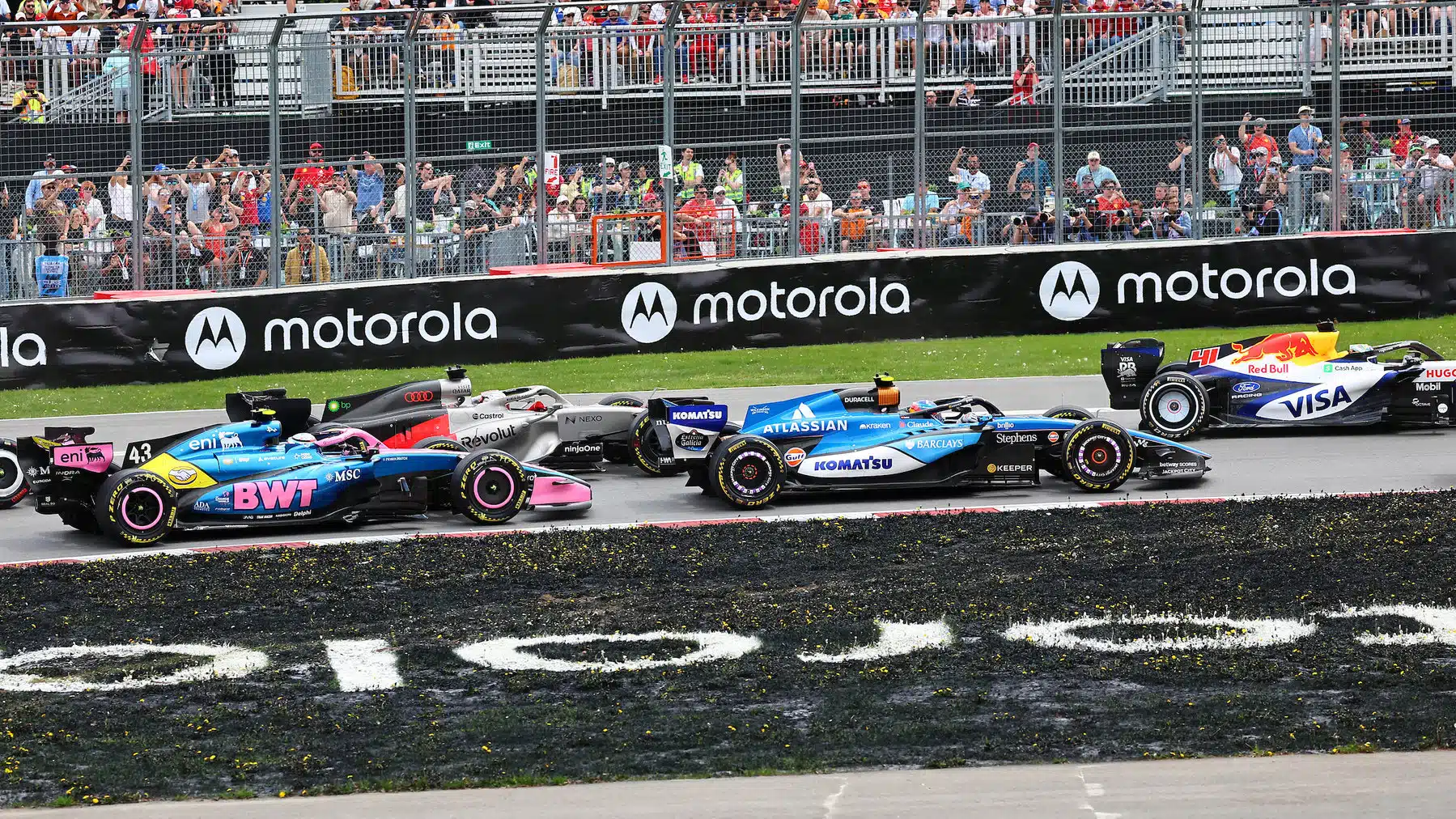
Not all manufacturers are ready to commit to the 2027 changes
Grand Prix Photo
There seem to be three sticking points to forcing new 60/40 regulations through for ’27. One seems easily solvable, the other two are more intractable. The easy one to fix is the objection of teams intending to use their existing chassis into next year (about half of them) to save on costs. The proposed 50kW increase in internal combustion power from a higher fuel flow rate would require bigger fuel tanks at three key heavy-consumption tracks. The proposed solution to that is to shorten those key races ‘by a lap or two’, which has been generally agreed in principle.
The trickier barriers are getting the required four of the five power unit manufacturers to agree to the change. These relate to cost and competitive advantage/disadvantage. Audi in particular, is baulking at what is estimated to be an extra £10 million in development budget to redesign around a higher fuel flow. On top of the huge sums it’s already invested, such an unbudgeted sum is not an easy sell to the automotive board members. Honda’s position is understood to be similar.