
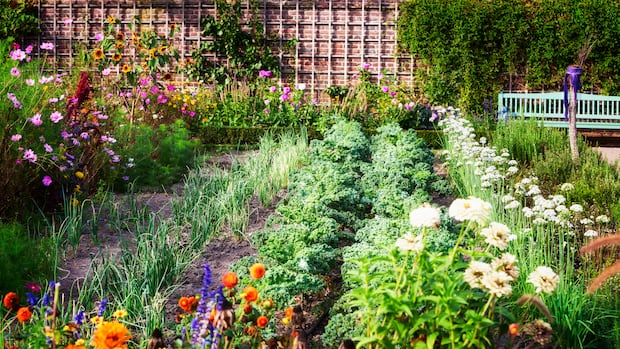
Summer weather in Canada has become increasingly unpredictable, and that variability can be a real challenge for home gardeners. So with more extremes predicted for 2026, building a climate-resilient garden that’ll hold up when conditions are far from ideal is a smart move.
Of course, it isn’t possible to eliminate risk altogether. But diversifying your crop selection, experimenting with various planting methods and being more efficient with water can all help reduce the impact that any one event can have on your system.
Here are 12 strategies worth incorporating into your planning, planting and maintenance this season to keep your garden producing through heat, drought and unusual rainfall.
Select hardy perennial herbs, fruits and vegetables
Edible plants like thyme, oregano, sage, rhubarb, asparagus and berry bushes are reliable long-term anchors for any garden, as they’re known to establish deep root systems over time. This allows the crops to access moisture farther down in the soil profile, meaning they’re often able to recover faster after heat stress or drought.
There’s also a practical benefit to planting these perennials, as you don’t have to start from scratch each season.
Add hard-working perennial flowers
Choosing ornamental perennials that tolerate environmental stress with minimal care will actively support the resilience of your garden. They will also invite pollinators, which help to increase the productivity of flowering and fruiting plants alike, so be sure to plant these flowers in or near your vegetable beds, not just in a separate ornamental border.
Here are three that I always seek out and that will thrive in most growing zones across Canada:
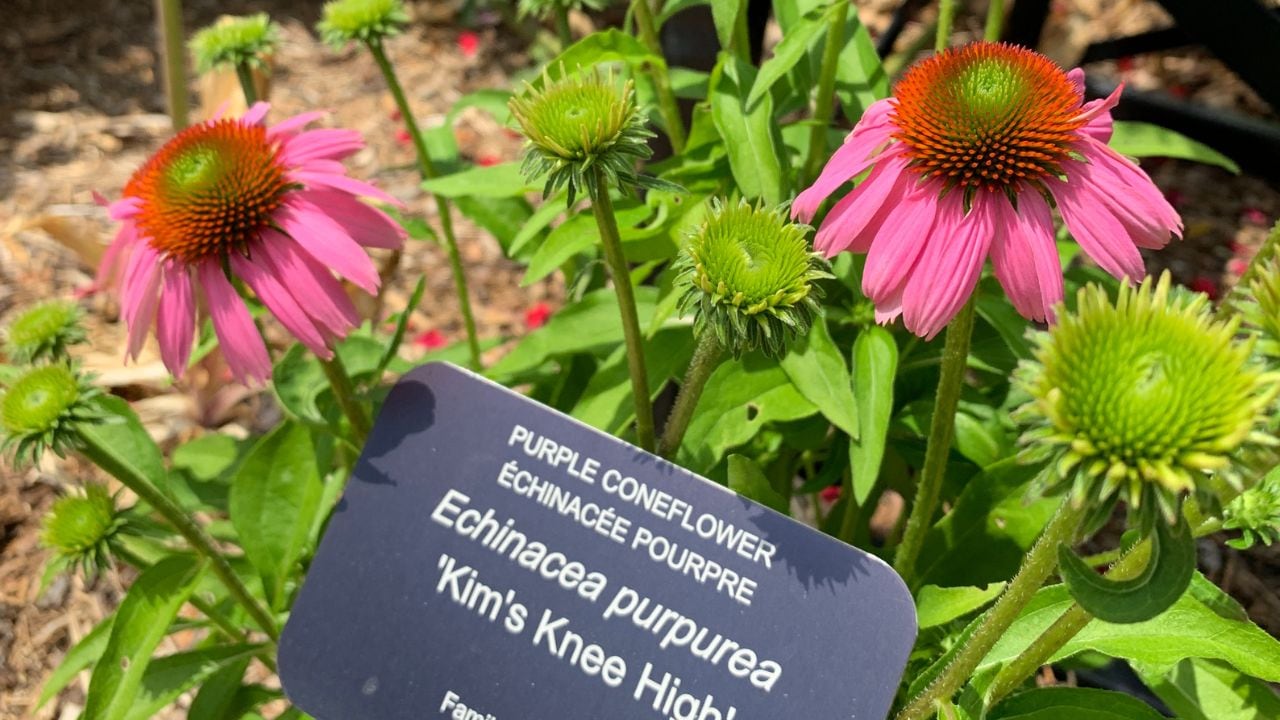
Purple coneflower (echinacea) is extremely drought-tolerant once established, thrives in heat, and attracts a wide range of bees and butterflies. Plus, the cuttings look beautiful in arrangements and bouquets!
Yarrow is one of the toughest perennials available to home gardeners. It tolerates poor soil, dry conditions and neglect, while still producing dense flower clusters that attract beneficial insects — including predatory wasps that help control garden pests.
Black-eyed Susans handle both drought and occasional wet periods well. And because they bloom in mid to late summer, a period when many other flowers are fading, they provide a consistent food source for pollinators when it matters most.
 (Luay Ghafari)Incorporate some drought-tolerant annual edibles
Planting a core of annual crops adapted for drier climates, such as peppers, eggplants and tomatoes, will give your garden a nice buffer should it face inconsistent rainfall or prolonged temperature spikes. These vegetables are efficient with water and generally more heat-tolerant than cool-season vegetables or leafy greens like Swiss chard and lettuce, which can wilt or bolt (go to seed) in hot weather.
Include native plants in your garden design
Native species are already adapted to your local climate, soil and rainfall patterns, which means they typically require less intervention than non-native plants and tend to be more resilient in the face of drought, heavy rain and temperature swings. They also attract pollinators, increasing yields for edible crops like cucumbers, squash and other fruiting plants.
Species will vary significantly by region, so if you’re new to native plants, be sure to consult your local conservation authority or a reputable native plant nursery for regionally appropriate recommendations.
Take advantage of cooler months
While many Canadians wait until the Victoria Day long weekend to start planting in earnest and wrap things up in autumn, leaning into the shoulder seasons can be effective insurance against a disappointing summer. Spring and fall often offer more stable growing conditions than midsummer, and cool-weather crops, such as kale, Swiss chard, arugula and lettuce, are built for exactly that window. They also handle unpredictable spring and fall rains well.
 (Luay Ghafari)Try intensive planting
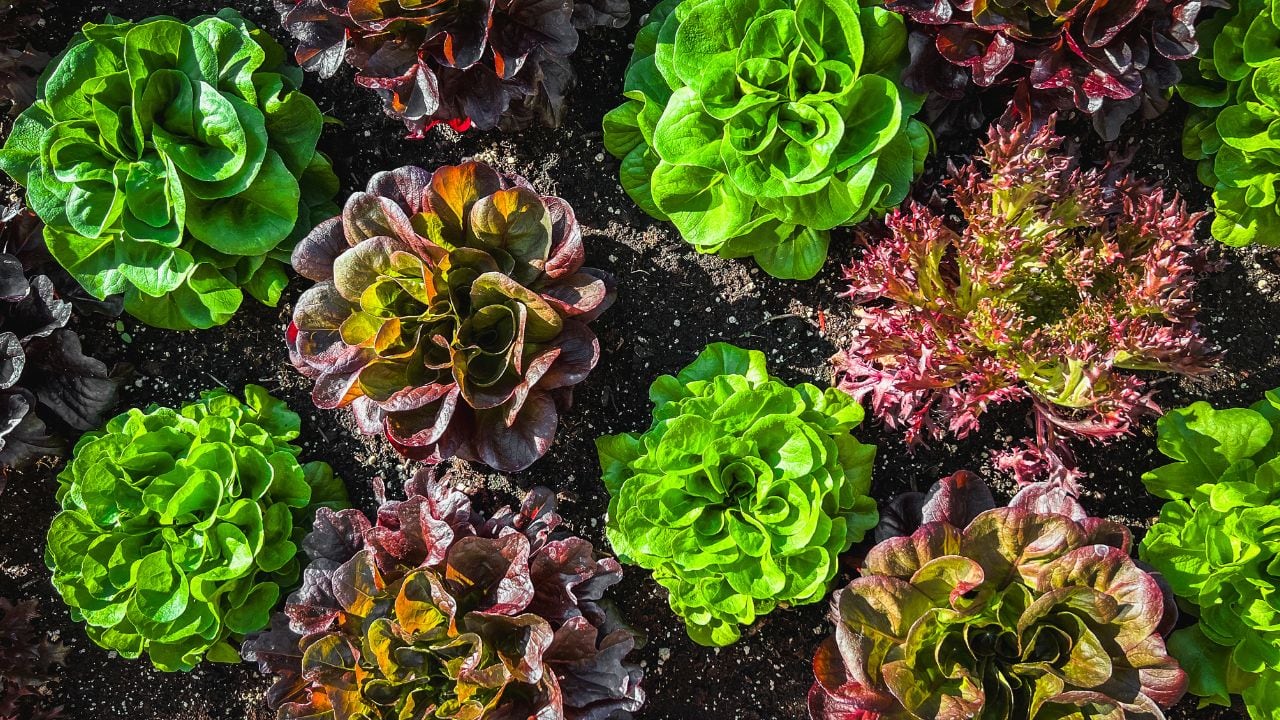
Intensive planting involves sowing or transplanting annual crops closer together than what’s typically recommended for row gardening. This helps to create an environment where plant leaves shade the soil surface, reducing the amount of moisture that’s lost through evaporation on particularly hot or sunny days. Dense plantings also suppress weeds, which compete directly with crops for water and nutrients.
Vegetables that are well-suited to intensive planting include lettuce, bok choy, kale, Swiss chard, beets, radishes and bush beans. These crops tend to have compact root zones and can be harvested progressively, which makes them productive for a longer window of time — something that’ll prove beneficial if you experience bouts of bad weather.
Practise succession planting
Succession planting is another technique that will allow you to harvest over a longer period, and involves sowing or transplanting crops in intervals rather than all at once. Vegetables like beans, zucchini, radishes and cucumbers are known to mature quickly so they’re perfect candidates for this process. These edibles can also be completely replanted multiple times throughout the season, which is helpful when dealing with temperature- or rain-related crop failures.
Experiment with companion planting
Companion planting is all about pairing crops that will support each other as they grow, particularly when it comes to shade, soil coverage and space efficiency. Here are three practical techniques to start with:
Plant basil at the base of tomato vines. The herb will help to shade the soil, reduce moisture loss and keep the ground cooler around the root zone when the weather heats up.
Use trellised beans or other tall crops to cast partial shade over more heat-sensitive plants, such as Swiss chard and bok choy, during peak afternoon sun.
Interplant fast-maturing crops like radishes between slower growers like lettuce. The radishes will be ready to harvest before the slower plants need the space, allowing you to make the most of the soil coverage you have regardless of shifts in weather.
Don’t forget to mulch
Adding a top layer of mulch does several things at once: it reduces surface evaporation, moderates soil temperature and protects against erosion during heavy rainfall.
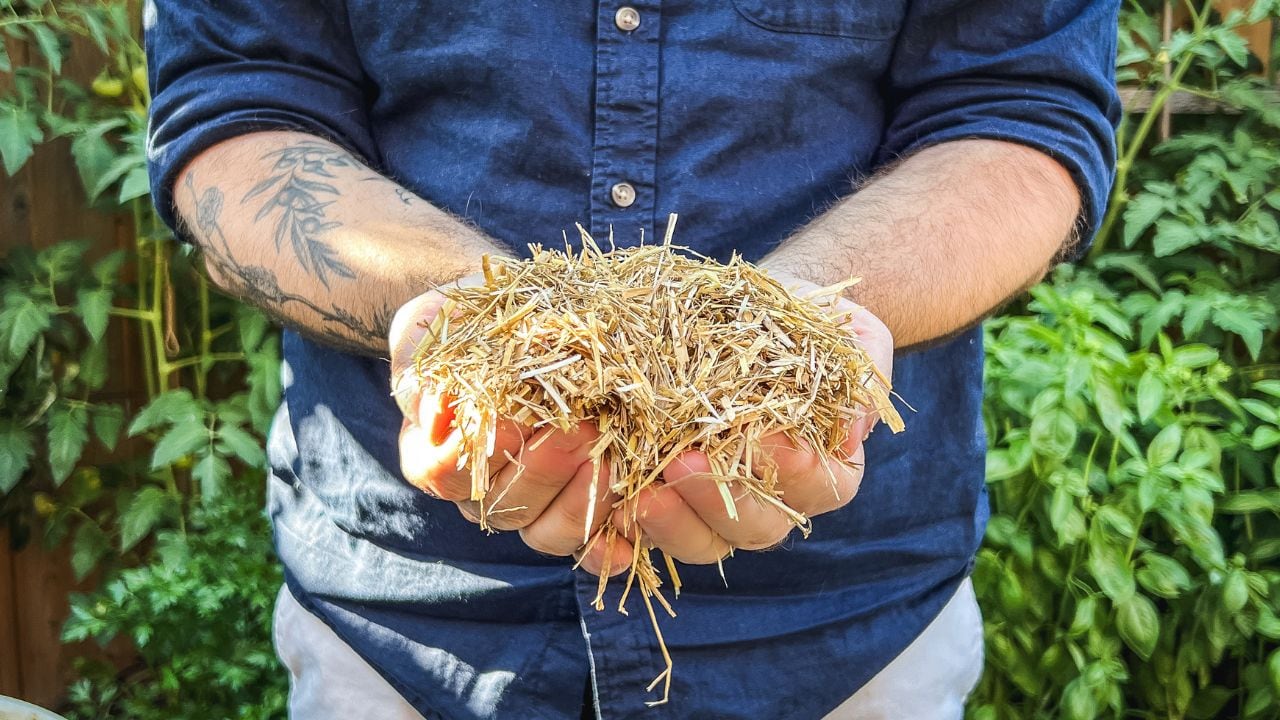
I recommend applying five to seven centimetres of straw, shredded leaves and/or compost to your garden beds at planting time, keeping the mulch pulled back slightly from plant stems to avoid rot. Beyond protecting the soil surface, these materials will break down gradually and add organic matter back into the soil.
 (Luay Ghafari)Improve your soil structure
Well-structured soil retains moisture for longer during dry periods while also helping to drain excess water after heavy rain. And adding compost, composted manure and/or worm castings to your soil is the most direct way to build that structure over time. Aim to incorporate five to 10 centimetres of these materials into your beds each gardening season, either in spring before planting or in fall as a top dressing.
Avoid frequent shallow watering
To help your plants get through dry spells, water deeply and less often. This method will encourage roots to follow moisture downward into the soil profile, where they’re less vulnerable to heat and moisture loss. A good general target is to water in one to two sessions per week, making sure that the soil is moist eight centimetres from the surface each time. You can check by sticking your finger or a wooden dowel directly into the soil.
Drip irrigation and soaker hoses are the most efficient delivery methods for this approach, as they apply water directly to the root zone, minimizing evaporation and surface runoff. I have my system on an automatic timer and run it in the morning, before sunrise, to reduce evaporation and give plants time to absorb moisture before midday heat sets in.
Harvest rainwater
In many regions, municipalities will enact restrictions during periods of extreme heat or low rainfall that limit when and how often home gardeners can irrigate. Having stored rainwater acts as a hedge against those limitations, reduces pressure on municipal systems and helps keep plants healthy through increasingly unpredictable weather patterns. And even a modest setup can offset a meaningful portion of your irrigation needs during hot or dry stretches.
Rain barrels are the most accessible starting point; a single barrel connected to a downspout can collect hundreds of litres over a season. Larger cistern systems are another solid option that offers more capacity for bigger gardens or drier climates.