

New Routes Span Europe, Africa, And More
Credit: Shutterstock
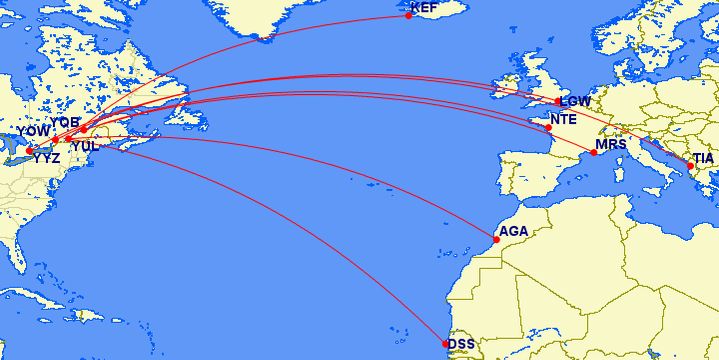
Air Transat’s latest expansion covers a broad range of destinations from secondary European cities to emerging leisure markets in North Africa. The airline will launch flights from Ottawa, Quebec City, Montreal, and Toronto, creating new travel options for both vacationers and VFR (visiting friends and relatives) traffic.
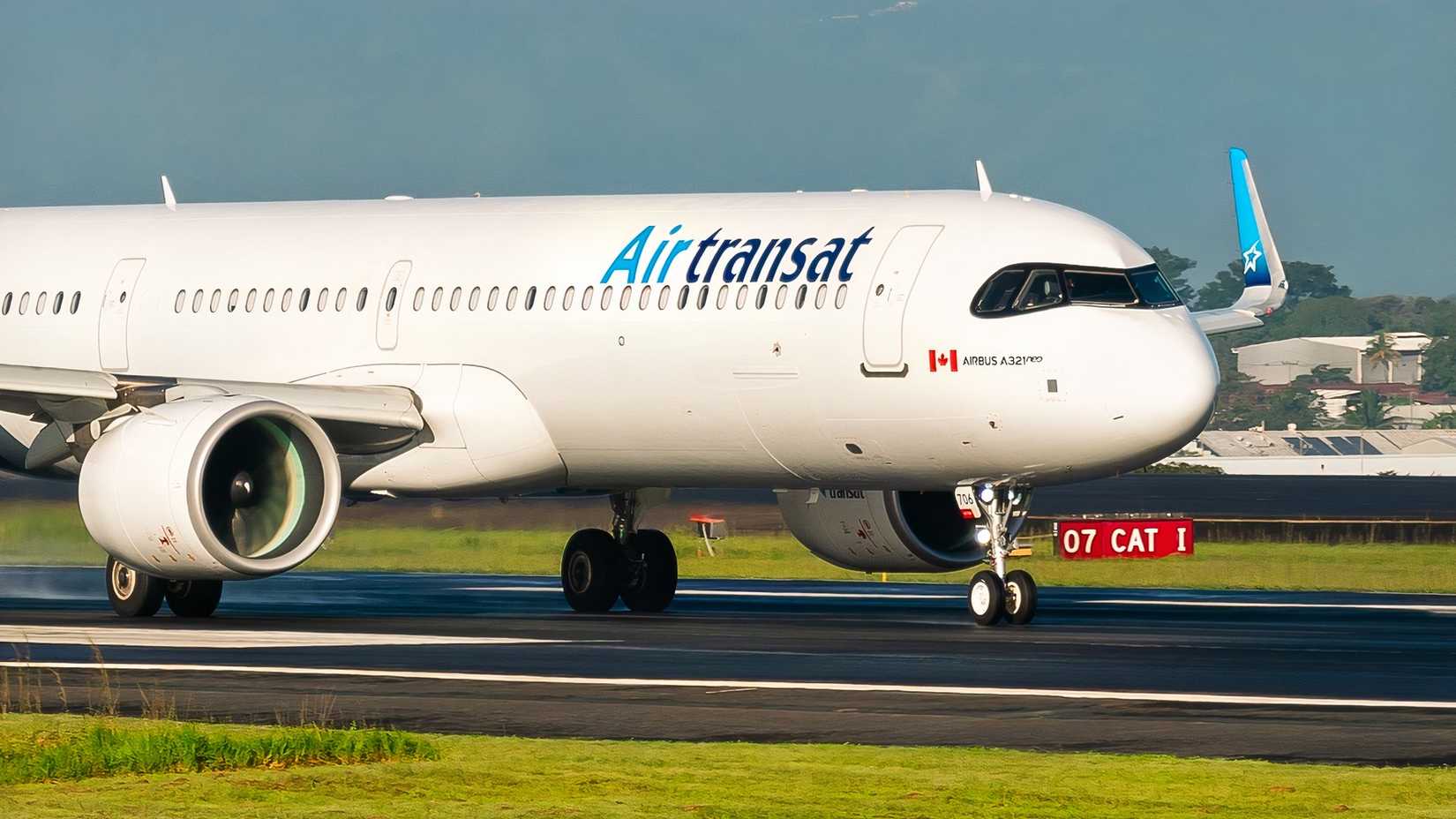
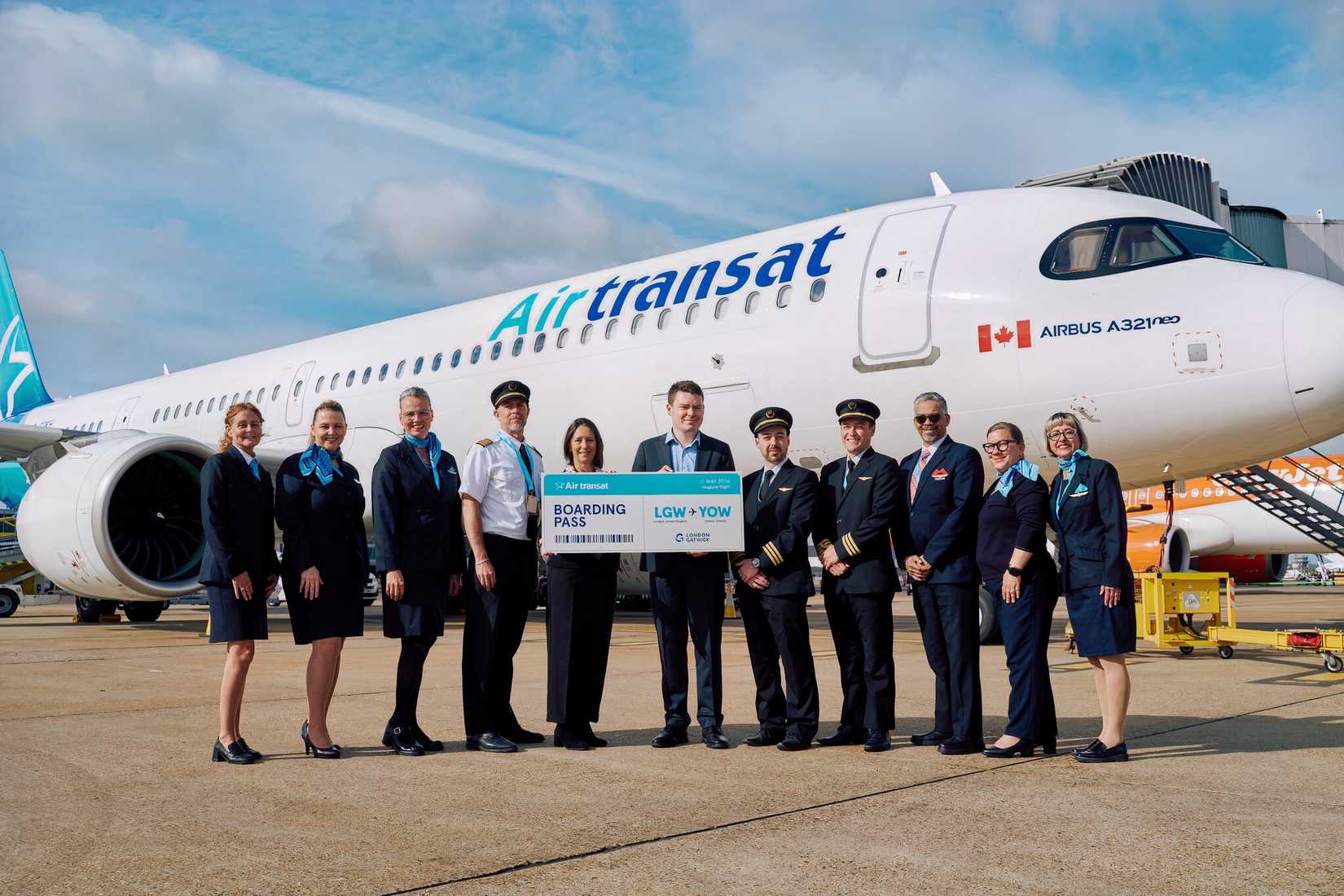
One of the most eye-catching additions is the launch of direct service from Ottawa Macdonald-Cartier International Airport (YOW) to  London Gatwick Airport (LGW). The route’s first flight took place on May 15 and is operated three times weekly with the Airbus A321LR. Air Transat previously served the route from 2011 to 2014, making this a notable and long-awaited return to the UK capital from Canada’s national capital region.
Air Transat’s New Routes For Summer 2026
Route
Start Date
Frequency
Aircraft
Notes
YOW – LGW
May 15, 2026
3x Weekly
Airbus A321LR
Previously served 2011-2014
Quebec City (YQB) – Marseille (MRS)
May 21, 2026
Weekly
Airbus A321LR
Previously served 2010-2013
Quebec City (YQB) – Nantes (NTE)
June 2, 2026
Weekly
Airbus A321LR
New route
Montreal (YUL) – Agadir (AGA)
June 12, 2026
Weekly
Airbus A321LR
First-ever North American service
Montreal (YUL) – Dakar (DSS)
June 17, 2026
2x Weekly
Airbus A321LR
No airline currently serves the route
Montreal (YUL) – Keflavik (KEF)
June 16, 2026
2x Weekly
Airbus A321ceo
Air Transat’s first Iceland service
Toronto (YYZ) – Tirana (TIA)
June 18, 2026
Weekly
Airbus A330-200
Only North American service to Albania
Several of these routes are particularly noteworthy because they will create unique nonstop links not currently available elsewhere. Montreal–Dakar will become a rare direct connection between Canada and West Africa, while Montreal–Agadir will establish North America’s first nonstop service to the Moroccan coastal destination. Toronto–Tirana is equally significant, becoming the only direct flight connecting Albania with North America.
Why These Routes Matter
Credit: Gatwick Airport
The expansion reflects Air Transat’s growing focus on underserved international markets. Several of the new destinations currently lack direct links to Canada, allowing the carrier to tap into both leisure demand and visiting-friends-and-relatives traffic while facing limited nonstop competition.
The new Quebec City routes illustrate this strategy perfectly. Both Marseille and Nantes offer direct access to regions of France that typically require connecting flights through Paris. For travelers in Quebec, nonstop service reduces travel time and offers a more convenient alternative to connecting through larger airports.
Credit: Gcmap | Simple Flying
Montreal’s new African services also represent a strategic move. Senegal and Morocco have strong cultural, family, and tourism links with French-speaking Canada, particularly Quebec. Nonstop flights can significantly stimulate demand by eliminating lengthy connections through Europe. At the same time, Toronto–Tirana will be the continent’s only direct link to Albania, while Air Transat’s new Montreal–Keflavik service marks the airline’s first-ever flights to Iceland.
The announcement also reinforces the growing importance of secondary airports and regional markets. Rather than concentrating exclusively on Montreal and Toronto, Air Transat continues investing in Quebec City and Ottawa, providing passengers outside Canada’s largest metropolitan areas with direct access to overseas destinations.
Related
Air Canada Launches 6-Hour-Plus Nonstop Airbus A321XLR Route
The YUL-DUB service is slated to begin in May 2027.
The Airbus A321LR Is The Key To The Strategy
Credit: Airbus
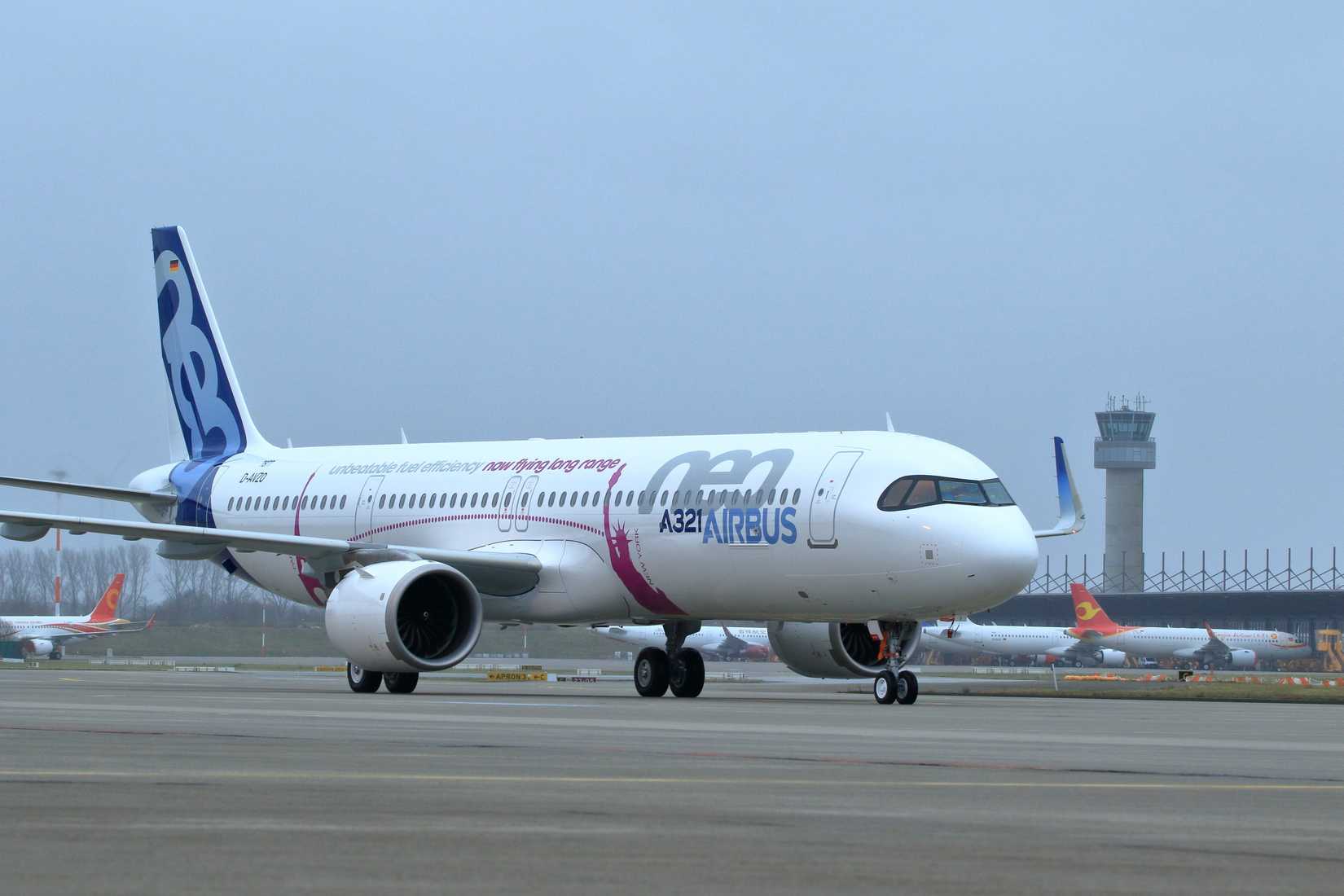
The new routes also highlight the increasing importance of the Airbus A321LR within Air Transat’s fleet. The long-range narrowbody will operate most of the new routes, allowing the airline to profitably connect Canadian cities with destinations that may not generate enough demand for larger widebody aircraft. As a result, Air Transat can expand into niche transatlantic markets while offering passengers the convenience of direct flights.
The success of many of these new routes would have been difficult to achieve just a decade ago. The Airbus A321XLR and A321LR have transformed the economics of transatlantic flying, allowing many airlines to profitably operate routes that may not generate enough demand to support larger widebody aircraft.
With its extended range and lower operating costs, the A321LR is ideally suited to connecting medium-sized Canadian cities with secondary European destinations. Instead of requiring a 250- to 300-seat aircraft, Air Transat can offer a more appropriately sized product while maintaining nonstop service. The aircraft also provides passengers with many of the benefits traditionally associated with long-haul travel, including modern cabins, improved fuel efficiency, and lower environmental impact. For leisure-focused carriers such as Air Transat, this combination creates opportunities to open entirely new markets.
Meanwhile, the Airbus A330-200 remains an important part of the fleet for routes requiring greater capacity. The new Toronto–Tirana service will utilize the larger aircraft, reflecting expectations of strong demand from both tourism and diaspora traffic.
Air Transat’s strategy also demonstrates how next-generation narrowbody aircraft are reshaping international route planning. It is about connecting markets that previously lacked sufficient demand for traditional long-haul aircraft, opening entirely new travel opportunities for Canadian passengers.