
 3 min read
Lace-up cycling shoes had a big moment when the original Giro Empire launched in 2013. Riders like Taylor Phinney and Bradley Wiggins helped make them cool, but the appeal was always pretty simple. Laces gave riders a more locked-in feel and, for a lot of folks, better comfort too.
I was a big fan of lace-up shoes at the time. I’ve always struggled to get the kind of locked-in fit I want from most cycling shoes because of my low-volume feet, and laces helped solve that. They let me tighten shoes more than most other closure systems I had tried, but without creating the same pressure points. As a result, I found them more comfortable. That was always the big thing for me.
 JASPER JACOBS
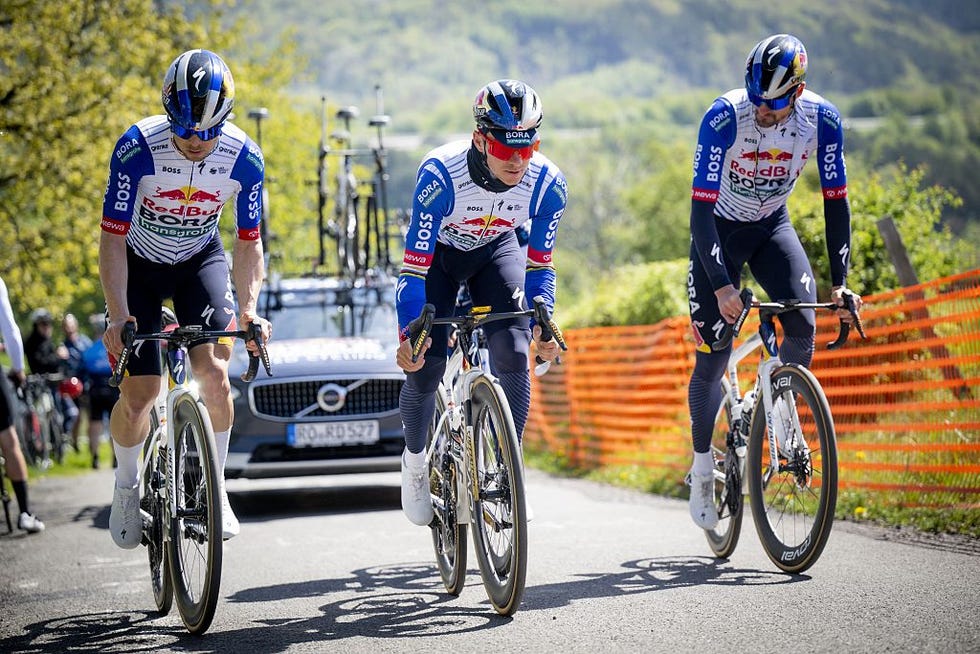
All three Red Bull–BORA–hansgrohe riders are using lace-up shoes.
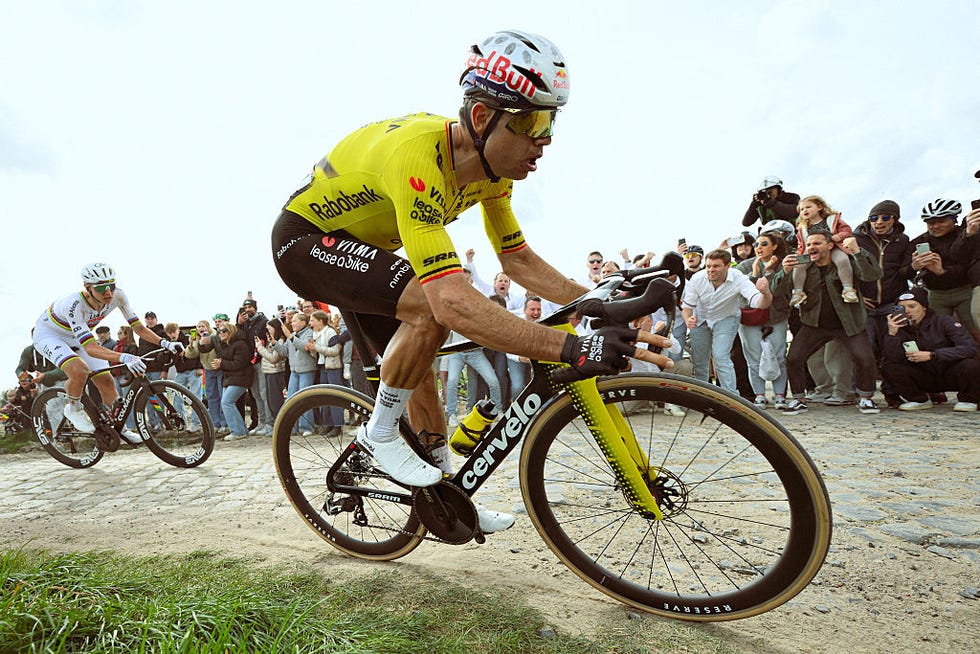
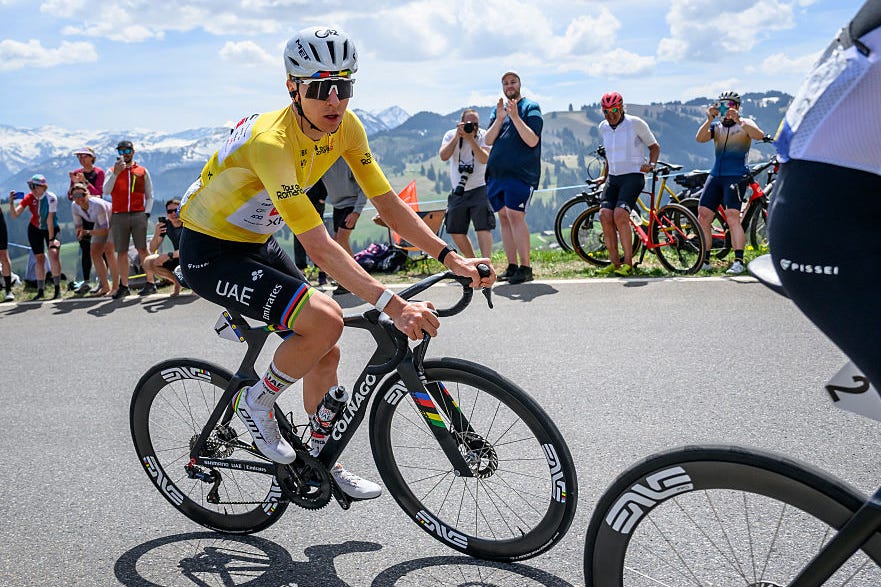
Now, 13 years later, lace-up cycling shoes are having another moment, but for a very different reason. Over the last few seasons I’ve noticed some of the sport’s biggest male riders switching to lace-up shoes. Tadej Pogačar, Wout van Aert and Remco Evenepoel have all raced in them. The Instagram account CyclingSpy also pointed to lace-up shoes as a big trend in 2025, with some riders even doing DIY conversions of BOA shoes to laces. The theory was that laces tested faster aerodynamically than BOA dial shoes, even when riders were using overshoes.
 Dario Belingheri//Getty Images
Wout van Aert on his way to win Paris-Roubaix in lace-up shoes.
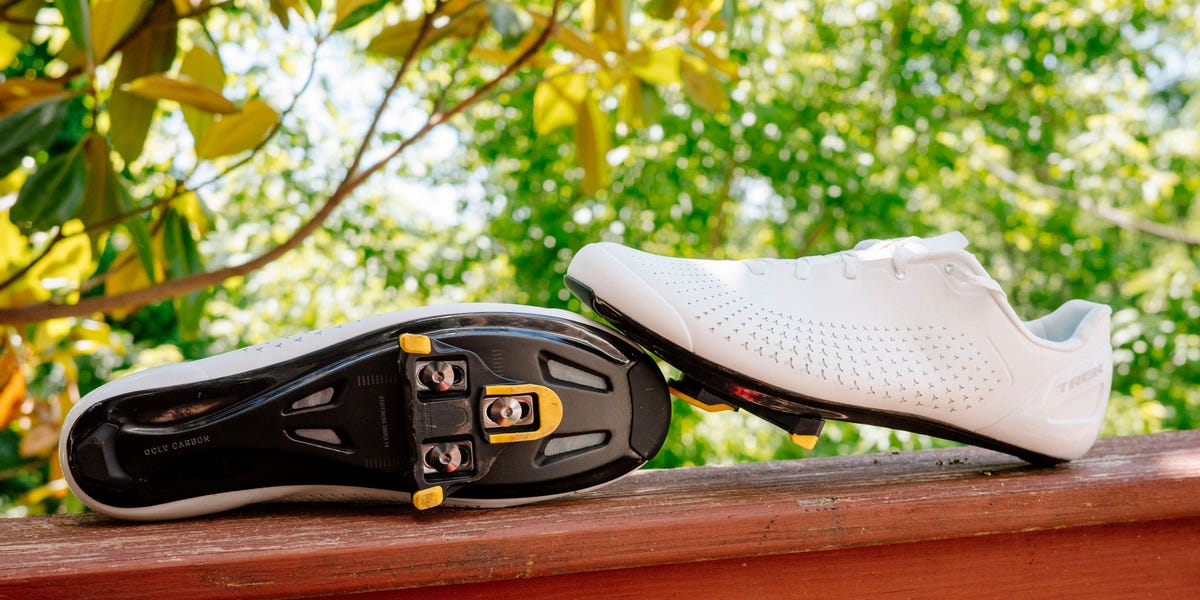
Now Trek has finally put a number to that claim with the launch of the new RSL Lace Road shoe. At 28 mph, Trek says the shoe saves 1.84 watts compared to the RSL BOA. Is that a tiny saving? Yes. Is it still measurable? Also yes.
 FABRICE COFFRINI
Tadej Pogačar has been using lace-up shoes for several seasons.
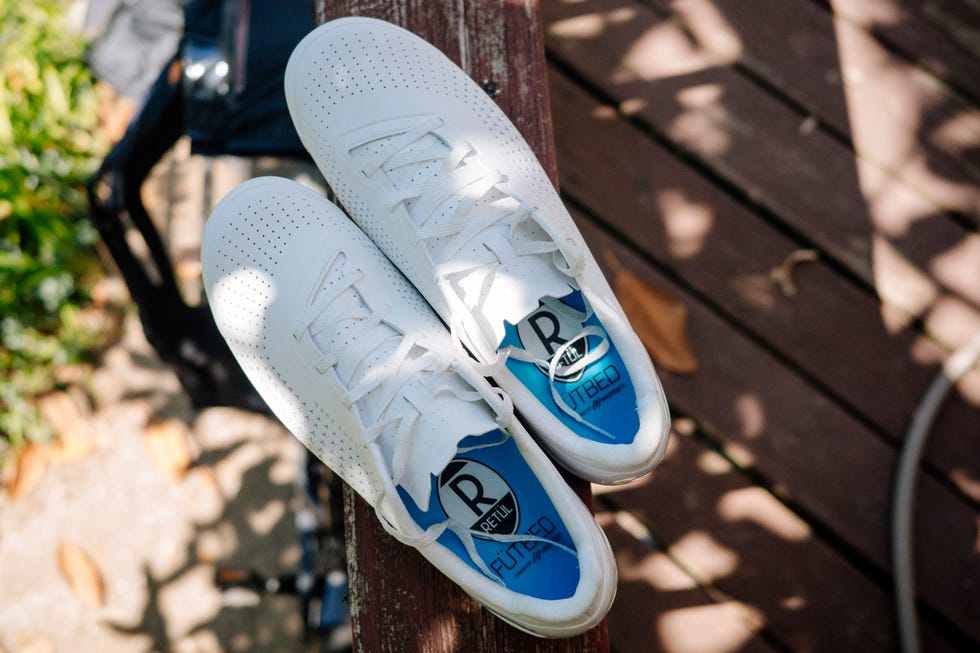
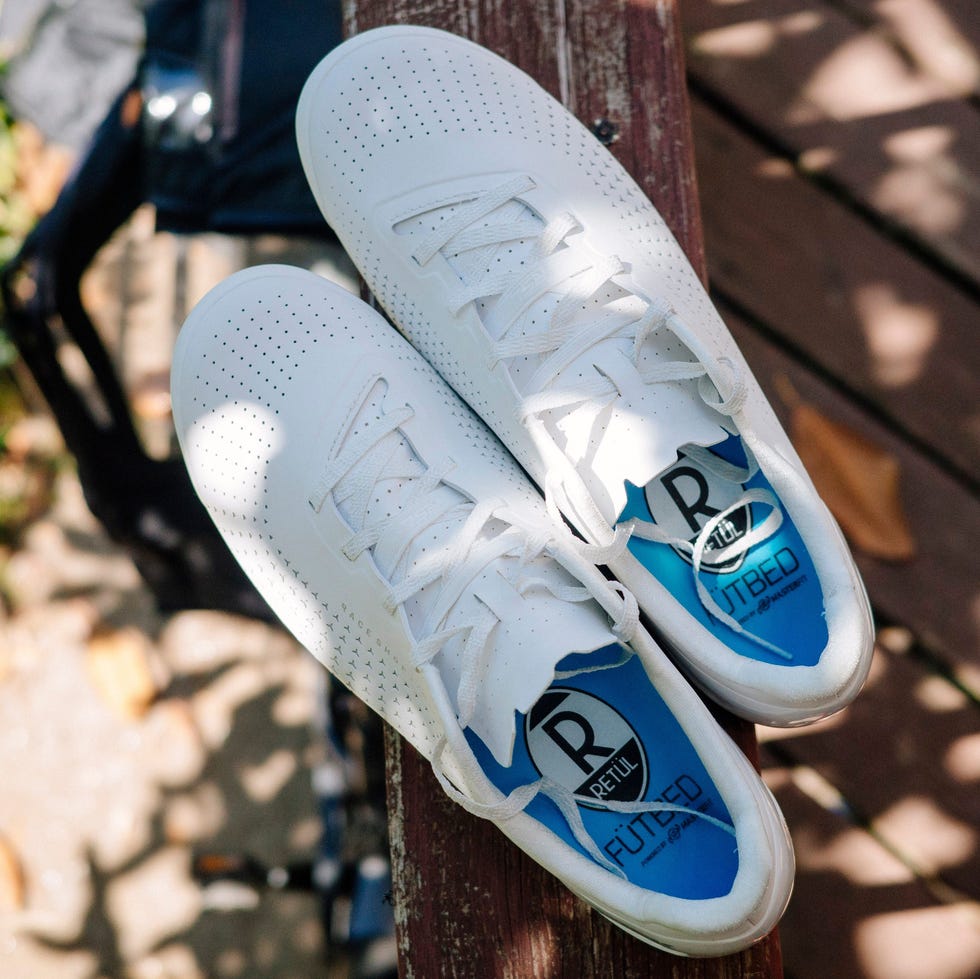
I don’t have a wind tunnel to confirm the aero gain for myself, but after riding the shoes on a few long rides over the past week, I was reminded of something else. Lace-up shoes can be really comfortable, and Trek’s are.
Dan Chabanov
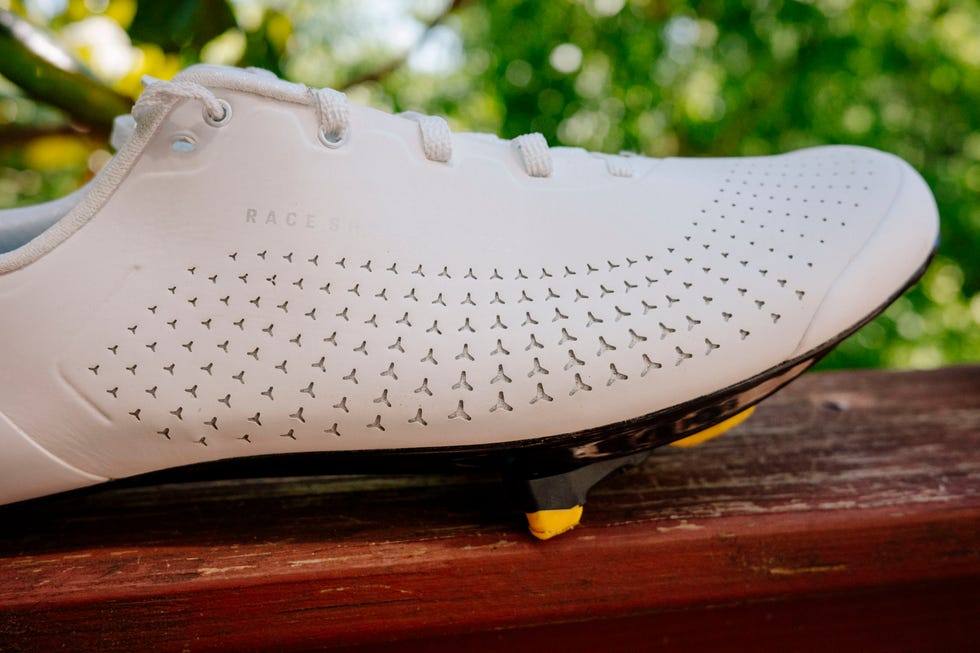
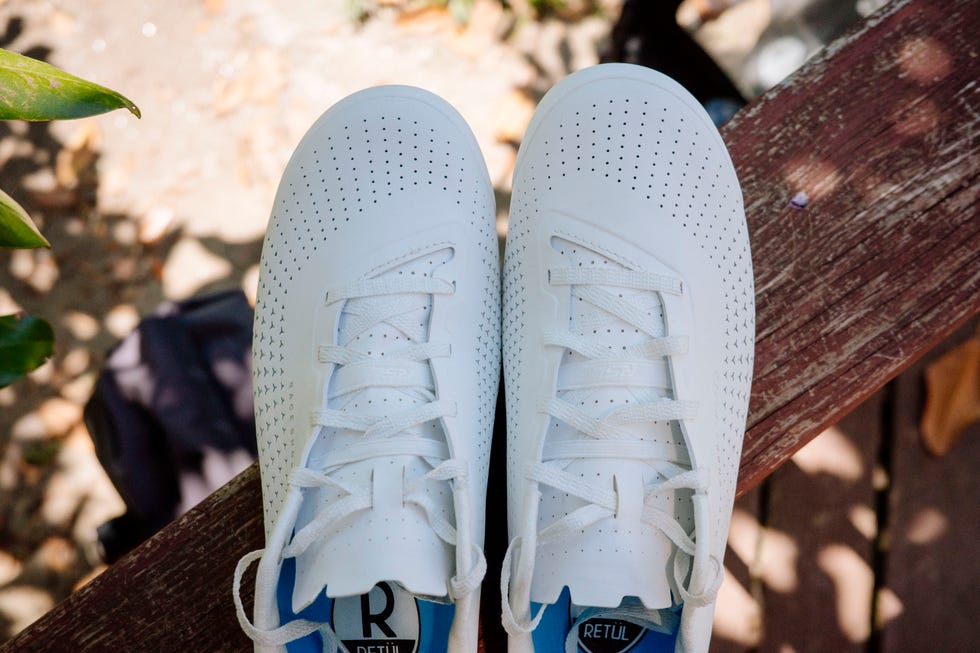
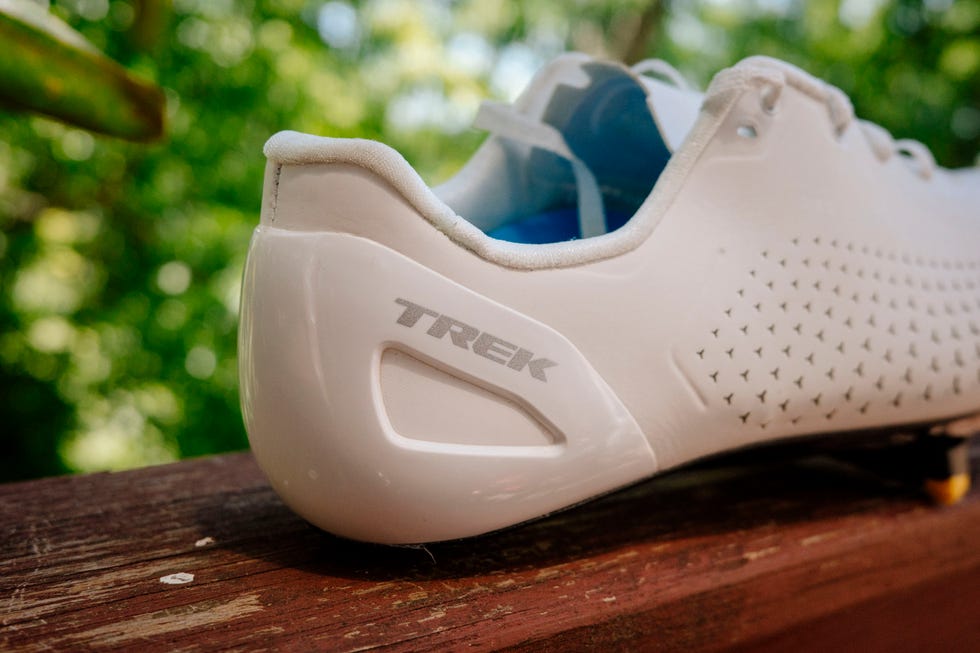
The shape is modern, with a wide toe box that, to my eye, looks pretty similar to what Specialized has been doing with its shoes over the last few years. The heel cup feels very rigid, and when you combine that with the laces, the result is a very solid locked-in feel. The upper uses Trek’s METNET panels to add some strategic stretch, and that seems to help with comfort. The shoe wraps the foot nicely without ever feeling tight or overly restrictive.
Dan Chabanov
That was the thing I kept coming back to on rides. The shoes just felt good. Secure, snug, supportive, but never in a way that made me want to reach down and change something. They disappeared in the way a good shoe should. You stop thinking about them, which is usually the best compliment you can give a fresh pair of cycling shoes.
Dan Chabanov
There are some other obvious upsides too. The new RSL Lace Road is not only claimed to be more aerodynamic than Trek’s BOA version but also lighter and cheaper. My size 43 test pair weighed 434g, about 70g less than the claimed weight of a pair of RSL BOA shoes. At $375, they are also $125 cheaper, which is a pretty significant difference at the high end of the market.
Dan Chabanov
Of course, laces still come with some downsides. They take longer to put on, and you do need to be a bit more deliberate with tying the laces before you head out the door. You can’t just reach down and click a dial mid-ride, and that lack of on-the-fly adjustment is still the criticism I hear most often when lace-up shoes come up.
Personally, I’ve almost never had to adjust a broken-in lace-up shoe during a ride. I’m not totally sure why that is. My guess is that it has something to do with the more evenly distributed tension that laces provide, but that is just speculation on my part. Either way, it has rarely been an issue for me.
That is what makes the Trek RSL Lace Road feel so interesting. It taps into the same comfort and fit benefits that made lace-up shoes appealing more than a decade ago, but now adds a modern performance argument on top of that. If you were already lace-curious, Trek is giving you a pretty compelling reason to finally give laces a try. And if you are the kind of rider who cares about aero gains, even small ones, Trek has made a strong case for why laces are back in a big way at the front of the biggest bike races in the world.

Test Editor Dan Chabanov got his start in cycling as a New York City bike messenger but quickly found his way into road and cyclocross racing, competing in professional cyclocross races from 2009 to 2019 and winning a Master’s National Championship title in 2018. Prior to joining Bicycling in 2021, Dan worked as part of the race organization for the Red Hook Crit, as a coach with EnduranceWERX, as well as a freelance writer and photographer.