

Listen to this article
Estimated 4 minutes
The audio version of this article is generated by AI-based technology. Mispronunciations can occur. We are working with our partners to continually review and improve the results.
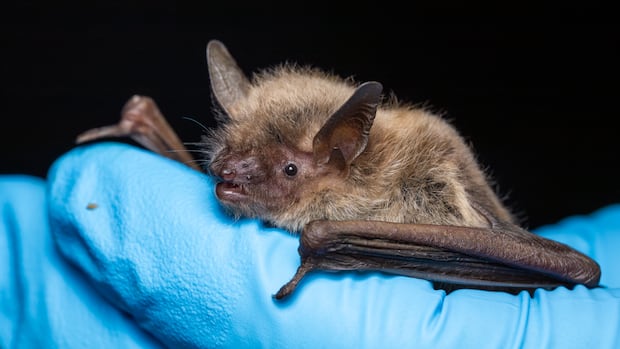
Bats are on the move across Atlantic Canada this spring, and experts on P.E.I. are once again asking the public to help track them by calling the Atlantic Bat Hotline.
The toll-free hotline allows people to report sightings to aid researchers in tracking population health and location.
“We can work together to understand more about the status of our local bat species and work towards protecting them,” Jordi Segers, Canadian Wildlife Health Cooperative (CWHC) bat health program co-ordinator, said in a recent news release.
While the co-operative always welcomes calls on bat sightings, this is the time of year the elusive nocturnal mammals may be easier to spot.
“This is just the time of year where, coming out of hibernation or migration, they may be a little bit hungry, they may be out during the day,” said Darrian Washinger, an Atlantic bat conservation project technician with the co-operative.
The number is offered through the CWHC Atlantic Region, at the Atlantic Veterinary College.
It’s part of the Signals of Bat Health project, a regional collaboration involving the CWHC, the four Atlantic provincial governments and various environmental organizations.
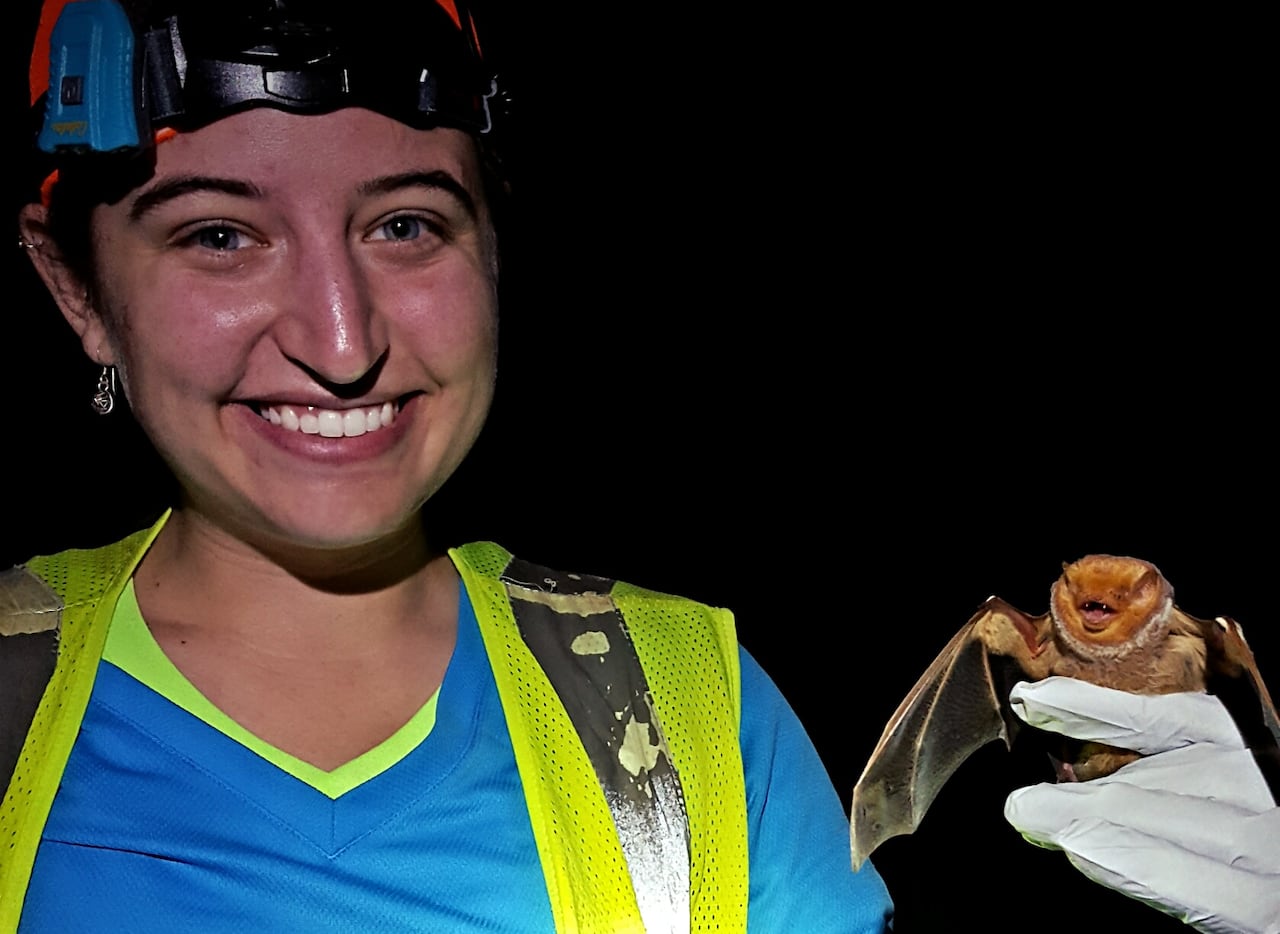 Darrian Washinger, an Atlantic Bat Conservation Project technician with the Canadian Wildlife Health Cooperative, says bats can be a challenge to pinpoint on P.E.I. (Submitted by Darrian Washinger)
Washinger, who is based out of the AVC, said there are two bat species that make their home on P.E.I.: Little Brown Myotis and Northern Myotis, both currently listed as endangered. There are also records of two migratory bats on the Island, Hoary Bats and Eastern Red Bats, though Eastern Red Bats have only been identified through acoustic data, not visual sightings.
The Eastern Red Bat is also suspected to live on the Island but has only been identified through acoustic data, not visual sightings, she said.
The health of hibernating bats continues to be threatened by white-nose syndrome, which has devastated bat populations across North America. More than 6.7 million bats have died after being infected since 2006.
Islanders might also see Hoary Bats and Eastern Red Bats that visit Atlantic Canada from the spring to the fall. These species are also facing population decline, due to collisions with wind turbines.
“All the information that we have on bats and the effects of wind turbines are out West and in the United States where they have a higher population of migratory bats,” said Washinger, adding that there is not enough data on the migratory bat population in P.E.I. to determine any impact from wind turbines on the Island.
“It’s more of working with [the] wind industry to make sure we have a happy medium where we’re not killing birds and bats unintentionally while also still generating energy that we need.”
Hard to spot
It can be a challenge to get an accurate understanding of exactly where on P.E.I. the bats are hiding out, Washinger said.
“We’re consistently kind of seeing hotspots emerge on the Island,” she said.
“And it could just be a matter of where people are that they’re actually seeing bats, and may not be exactly representative of where bats are [living]. We are aware of that.”
The most reported sightings tend to come from P.E.I.’s North Shore, Charlottetown and Summerside areas.
Washinger said bats can be identified based on their unique wing structure.
“Bats actually have hands, so their hands are how they fly. They have the same finger structure as us,” she said. “You’ll see a bit more movement as they’re moving their fingers to fly.”
Along with collecting data about sightings, researchers can also use the toll-free line to provide general information or give advice on how to safely remove a bat from your property without harming it.
Anyone looking to report bat sightings can call 1-833-434-BATS (2287) or email atlanticbats@cwhc-rcsf.ca.