
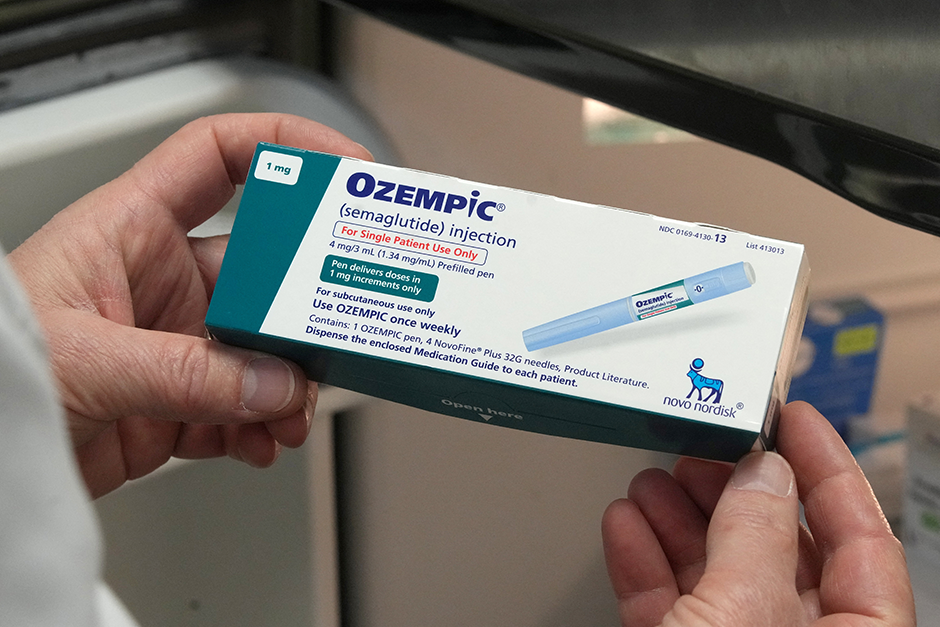
Each year, pharmaceutical companies spend billions of dollars advertising prescription drugs on television while many Americans struggle to afford the medications they need to stay healthy.
These ads are impossible to miss. They run during the evening news, major sporting events and primetime, encouraging viewers to “ask your doctor” about the latest prescription drug. Meanwhile, too many families are left wondering how they will pay for the prescriptions their doctors have already recommended.
This legislative session, I introduced Senate File 3650, which would ban pharmaceutical television advertising in Minnesota. While the session has now ended without the bill becoming law, the underlying problem has not gone away. What has become increasingly clear is that this work ultimately needs to be done at the federal level.
Related: Minnesota hospitals score legislative win over pharmaceutical companies
The United States is one of only two countries in the world that allows prescription drugs to be advertised directly to consumers. In most countries, these medications are treated for what they are: powerful medical treatments that should be discussed between patients and doctors, not marketed like soft drinks or luxury cars.
The scale of pharmaceutical advertising is staggering. Drug companies spend billions every year promoting their products across TV and other media platforms. Those resources could instead be directed toward developing new treatments, improving patient access or lowering the cost of existing medications. When Americans are rationing prescriptions or skipping doses because of price, it is fair to ask whether these enormous advertising budgets truly serve the public interest.
Healthcare spending in the United States continues to rise at an unsustainable pace. Nearly 20% of our nation’s gross domestic product is now devoted to healthcare, far higher than other developed nations. There is no single cause behind these costs, but the billions spent on pharmaceutical advertising are difficult to justify when so many patients cannot afford the medications being advertised to them.
This issue should not divide Republicans and Democrats. Leaders across the political spectrum, from President Donald Trump to Sen. Bernie Sanders, have questioned whether direct-to-consumer pharmaceutical advertising should continue. There is growing bipartisan recognition that allowing prescription drugs to be marketed directly to consumers distorts healthcare decisions and contributes to rising costs.
The burden falls especially hard on seniors and those living on fixed incomes. More than one in five Americans over the age of 65 report skipping or delaying medications because of cost. No one should have to choose between paying for groceries, keeping the lights on or filling a prescription their doctor says they need.
Unfortunately, my bill wasn’t passed as a part of a larger omnibus bill. However, I hope my work spurred conversation on the issue. If lawmakers in Washington are serious about lowering healthcare costs, banning direct-to-consumer pharmaceutical advertising should be part of that conversation.
As I reflect on my final legislative session, I remain convinced that lowering the cost of healthcare will require policymakers to think boldly and challenge the status quo. Whether it comes from Congress, federal regulators, or a broader national movement, Americans deserve a healthcare system that prioritizes patients over marketing strategies and access over advertising dollars.
The health of the American people should never have to compete with a pharmaceutical company’s marketing budget.
State Sen. Rich Draheim, R-Madison Lake, represents District 22.
This <a target=”_blank” href=”http://www.minnpost.com/community-voices/2026/06/its-well-past-time-to-ban-pharmaceutical-advertisements/”>article</a> first appeared on <a target=”_blank” href=”http://www.minnpost.com”>MinnPost</a> and is republished here under a <a target=”_blank” href=”https://creativecommons.org/licenses/by-nd/4.0/”>Creative Commons Attribution-NoDerivatives 4.0 International License</a>.<img src=”http://www.minnpost.com/wp-content/uploads/2023/12/favicon.png” style=”width:1em;height:1em;margin-left:10px;”>
<img id=”republication-tracker-tool-source” src=”http://www.minnpost.com/?republication-pixel=true&post=2231268&ga4=3376753669″ style=”width:1px;height:1px;”><script> PARSELY = { autotrack: false, onload: function() { PARSELY.beacon.trackPageView({ url: “http://www.minnpost.com/community-voices/2026/06/its-well-past-time-to-ban-pharmaceutical-advertisements/”, urlref: window.location.href }); } } </script> <script id=”parsely-cfg” src=”//cdn.parsely.com/keys/minnpost.com/p.js”></script>