
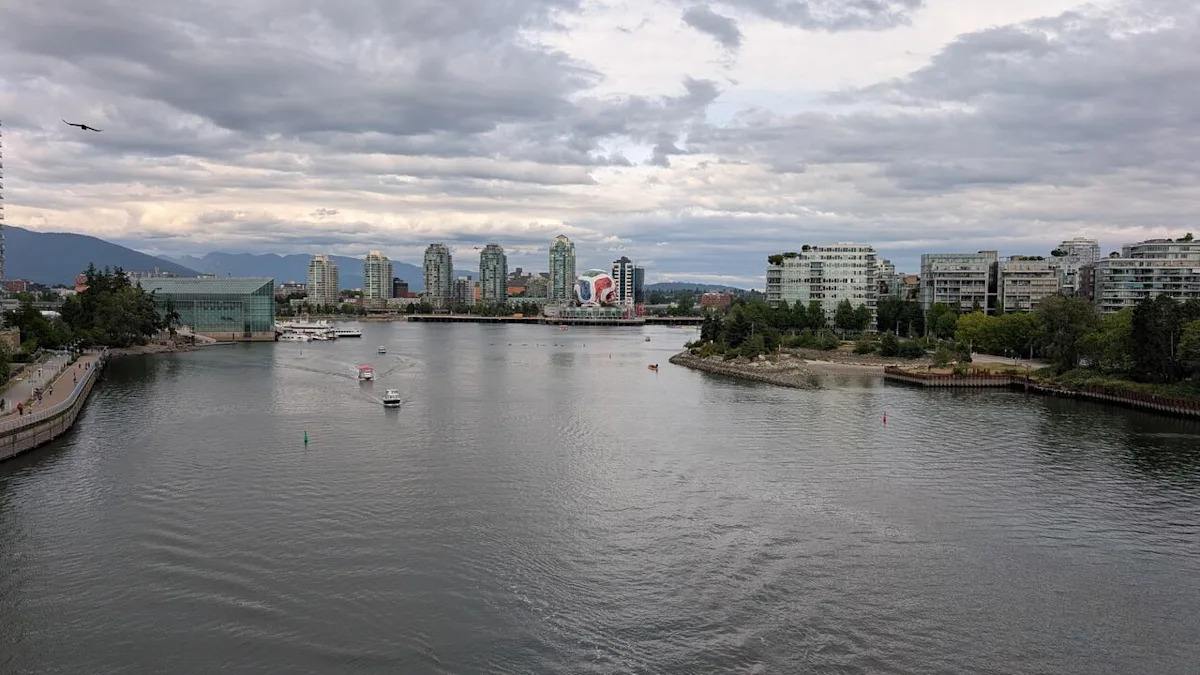
When fans from around the world descend on Vancouver for the FIFA 2026 World Cup, they’ll be greeted by an uncharacteristically empty False Creek.
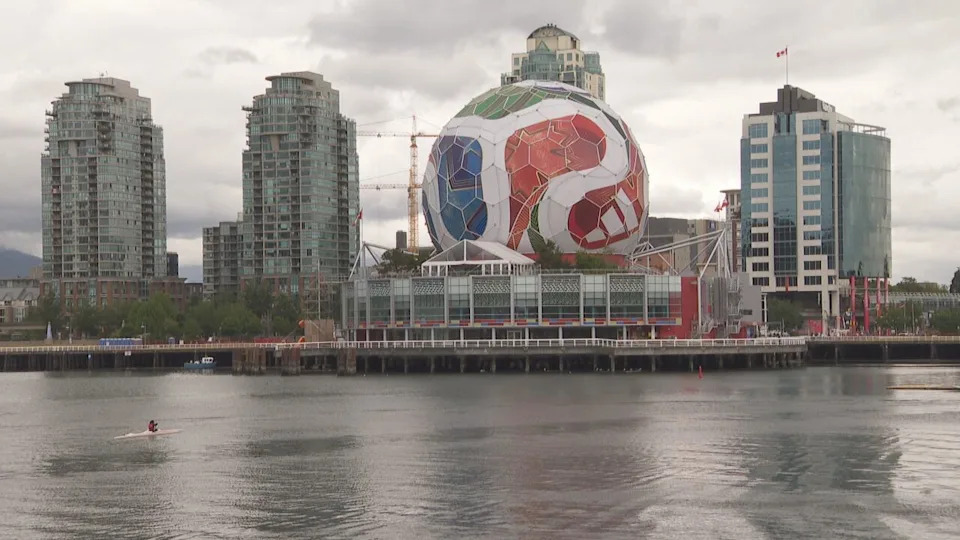
False Creek east of the Cambie Bridge has been cleared of virtually all boats under an interim order from Transport Canada.
The order creates a temporary exclusion zone from the bridge to Science World between June 1 and July 8 to “deal with a direct or indirect risk to marine safety or to the marine environment.”
On its website, the City of Vancouver says the restrictions are “to support emergency access and marine safety during the FIFA World Cup 2026.”
There are exceptions for vessels with mooring agreements with a marina inside the zone, ferries operating scheduled passenger service to the Plaza of Nations and Olympic Village docks, Indigenous people exercising their rights and people performing official government duties.
The Vancouver Police Department (VPD) said no one was available for an interview on Friday, but told CBC News it had not physically removed any boats and had “worked proactively” with boat owners to ensure they had time to relocate voluntarily.
The VPD and the City of Vancouver referred further questions to Transport Canada.
Transport Canada did not provide a response by deadline.
‘The snap of a finger’
It’s the latest twist in the ongoing debate over derelict and liveaboard boats in False Creek.
Under City of Vancouver regulations, boaters can get a free anchoring permit that allows them to park for a maximum of 14 full or partial days out of 30 during high season and 21 days out of 40 days in low season.
But critics have long complained that overlapping jurisdictions amid a hodgepodge of government agencies have resulted a proliferation of unpermitted or abandoned boats and allegations of lax enforcement.
Responsibility for False Creek is shared by agencies including the VPD, Transport Canada, the Canadian Coast Guard, the City of Vancouver and the Vancouver Park Board.
(CBC News)
“It’s been difficult for regulators to find a pathway to address anchoring, address responsible vessel management in False Creek, there seems to be no enthusiasm to find a solution,” said Mendel Skulski with the False Creek Friends Society.
“So it’s really surprising that when FIFA rolls around, all of a sudden with the snap of a finger something happens about it.”
Skulski said concerns about unpermitted boats range from them being an eyesore to an environmental hazard.
“When they go down they might leak fuel or they might leak effluent or bilge, which is a major problem for the creek for its ecology,” he said.
“Many of the ones that are here that are anchored are anchored without authorization and may not participate in pump-out services, so what goes in their toilet may go overboard.”
Safety concerns
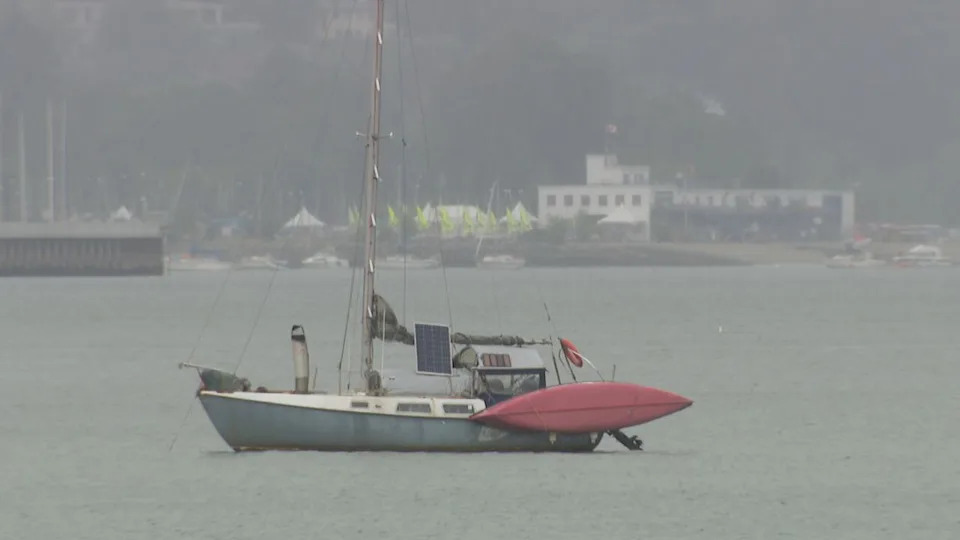
It is not clear where all the boats that had been anchoring in False Creek have gone, though CBC News observed multiple vessels anchored off Kits Point on Friday.
Skulski said some of the liveaboard boats known to frequent the creek function as housing of last resort, and may not be particularly seaworthy.
He said there were safety concerns if their operators were forced to drop anchor in English Bay.
Morgane Oger, who lives aboard a larger boat in the bay, told CBC News those concerns are legitimate.
(CBC News)
“The summer storms, for example, they go well into early July,” she said.
“We’ve all seen it. All those boats that crash onto the rocks and then the taxpayers have to pay for this … I would hate to see that happen again.”
Skulski said the exclusion order highlights how all levels of government need to do a better job of managing one of the city’s crown jewels.
“You see how many times it’s transformed from its original condition under Indigenous stewardship to industrialization and now to its tourist value,” he said.
“Through Expo [86] and the 2010 Olympics and now FIFA, I would just like to see Vancouver realize that we have so much more agency to manage this place responsibly in our collective interest.”