
I cannot come up with two more apt words to describe Quebec’s political class than hypocritical and disingenuous. The past 10 days have been particularly special.
Let’s start with the absurd National Assembly motion, the second in two weeks, reaffirming “the right of the Quebec nation (alone) to decide its political future based on an absolute majority vote, which is 50 per cent plus one.”
The vote was prompted by Prime Minister Mark Carney’s comments the day before, when he quoted the federal Clarity Act that outlines several factors Canada’s House of Commons must consider in determining whether a vote for secession is valid.
Even though there is no referendum right now and most Quebecers don’t want one, our elected officials — including the Liberals — saw fit to unanimously pound their chests and tell the rest of Canada to butt out.
Our MNAs need to be reminded that Quebec has a detailed and substantial pre-nup with Canada, and a divorce would not be simple. Canada would have a lot to say, which is precisely why both previous Quebec referendums couched long complicated questions in language referring to proposed economic agreements and partnerships with Canada.
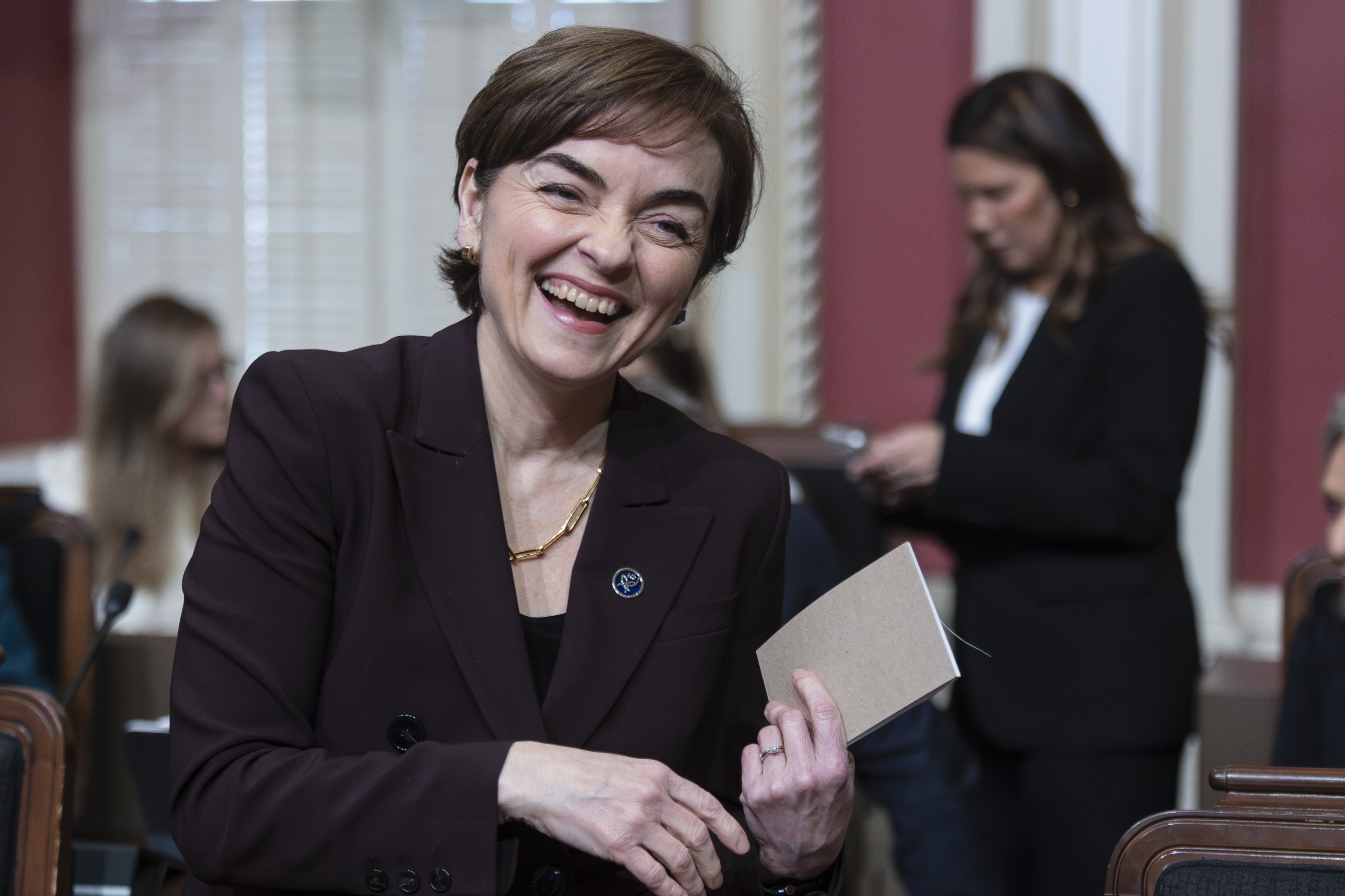 Premier Christine Fréchette’s sudden pledge to strike a “different tone” with anglophones rings hollow, writes Robert Libman. Francis Vachon / Postmedia
The Clarity Act has that name for a reason, and Quebec politicians are playing a dangerous game with the future of the province and our economic well-being by distracting from real consequences with feigned indignation and/or hubris.
This past week’s announcement of $10 billion in federal funds in infrastructure spending on projects that had been earmarked for Quebec — “even more” than its fair share, according to Premier Christine Fréchette — should illustrate how ludicrous was the National Assembly vote that gave the middle finger to Canada.
Also ringing hollow this week was Fréchette’s sudden pledge of a “different tone” with anglophones. It would be nice to give her the benefit of the doubt, but it seems more than evident that her comments — before a Montreal business audience — were a ploy to help land the new NATO bank for Quebec. Montreal is competing against other Canadian cities for the job-lucrative institution.
Fréchette strangely portrayed Quebec’s bid as proof that her government values anglophones and highlighted the importance of the community in Montreal and “the availability of English-language health and education services.” Interesting, after her government has done so much to diminish the community and its institutions and even complains about hearing too much English in the streets.
Upon becoming premier, and in her inaugural address, Fréchette never extended any olive branch to the community, unlike her predecessors. Even François Legault had done so.
A “different tone”? Are we that naive? Legault, too, had been diplomatic in tone, but it’s actions that matter.
Fréchette, who supported her government’s previous measures undermining the anglophone community, is now prepared to do even more harm by transferring 27,000 students from English-language adult-education and vocational programs into the French system. She also intends to adopt her government’s proposed Quebec constitution that further threatens anglophones’ rights by enshrining the doctrine of collective rights (tyranny of the majority).
Editor’s Picks
Uttering a couple of complimentary phrases and using the anglophone community as an implement to try to land a major project is tantamount to smiling in your face while stabbing you in the back.
Also this week, Quebec politicians of all stripes condemned a racist rally in Shawinigan calling for a return to a “white Quebec.” While the unanimous denunciation was heartening to see, it remains that much of our political class has embraced legislation that marginalizes les autres — notably immigrants and religious minorities — and support pre-emptively invoking the notwithstanding clause to override and effectively shred our charters of rights and freedoms. There seems to be little awareness that, with such measures, inequality is normalized, which risks fanning the flames of intolerance and emboldening marginal racists.
In an election year, politics typically get uglier and even more polarized. The hypocrisy we’ve seen so far does not bode well for a constructive campaign with solutions to real issues.
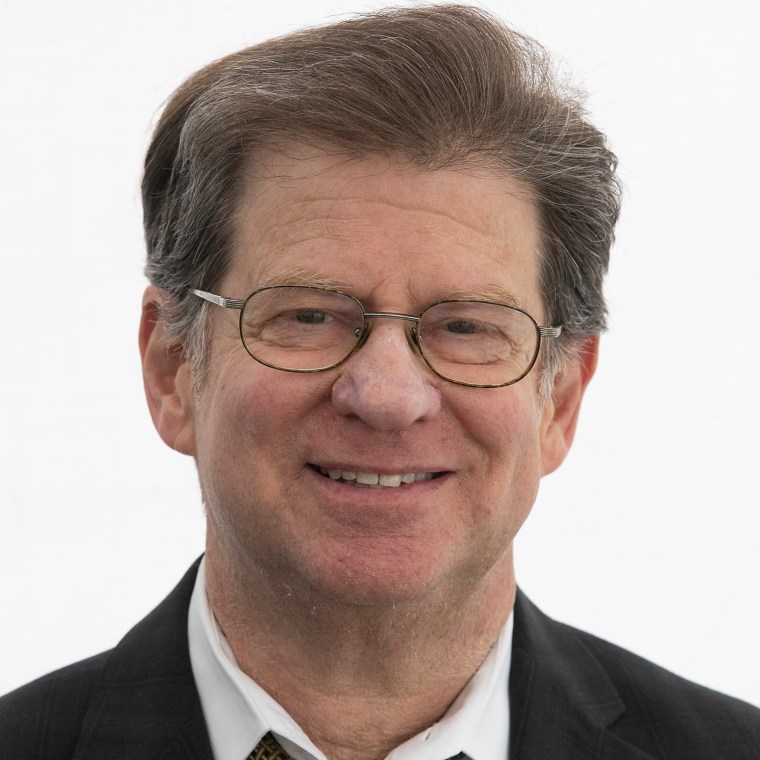
Robert Libman is an architect and planning consultant who has served as Equality Party leader and MNA, mayor of Côte-St-Luc and a member of the Montreal executive committee.