

Listen to this article
Estimated 3 minutes
The audio version of this article is generated by AI-based technology. Mispronunciations can occur. We are working with our partners to continually review and improve the results.
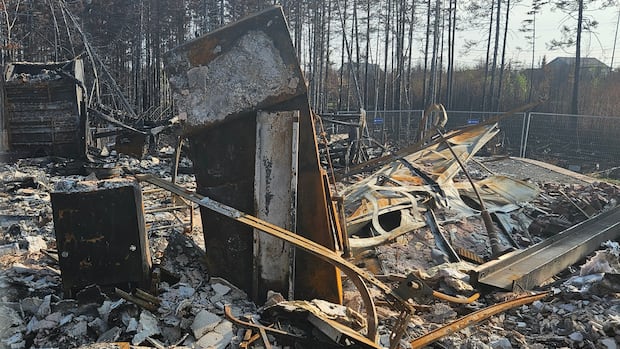
When Tricia Murray rebuilt her home in Hammonds Plains, N.S., after the devastating 2023 wildfires, she expected her insurance premiums to soar.
Her original house was purchased in 2017 for $253,000, while her newly rebuilt home cost more than $700,000.
Instead, her premium dropped by about 12 per cent.
Murray’s insurance agent said the decrease was because her new home uses modern, fire-resistant materials and incorporates a buffer zone.
“Prior to the fire, we had trees within 10 feet of the home on three sides,” she said. “We now have [a] buffer that we did not have before.”
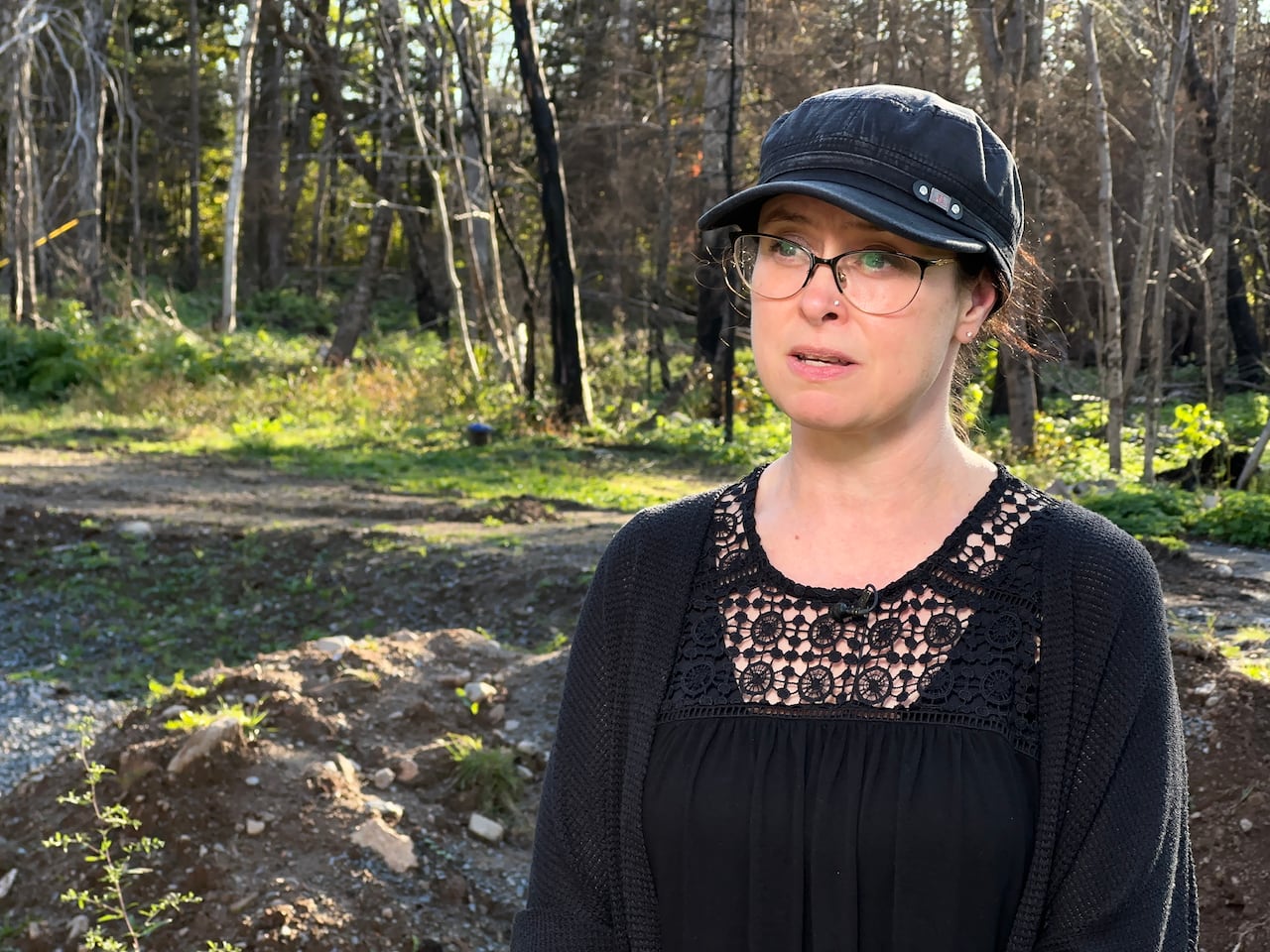 Tricia Murray is chairperson of the Highland Park ratepayer association. She lost her house during the wildfires. (Dave Laughlin/CBC)
Murray’s experience highlights a shift in how insurance companies calculate risk. For decades, insurers relied purely on history — if an area had never burned, it was classified as low risk.
But climate change has made that approach outdated.
Mohan Sivapatham, an actuary who co-authored a report for the Canadian Institute of Actuaries, said wildfires behave differently than other natural disasters.
While flood-prone areas tend to flood repeatedly, he said, a burned forest loses the vegetation that fuels future fires. It takes years for the fuel to grow back.
“Looking at models and model results is even more important than relying on past data,” he said.
 Mohan Sivapatham is an actuary who co-authored a new report on wildfire risk for the Canadian Institute of Actuaries. (CBC)High-tech approach
Instead of grading entire neighbourhoods under one risk level, insurers are using advanced tools like satellite imagery and laser scanning to assess individual properties.
This new approach looks at specific, real-time details:
The proximity of trees and brush to a structure.The type of roofing and building materials used.Property maintenance, such as clearing dry leaves from decks and removing wood chips near walls.
Amanda Dean, vice-president for Ontario and Atlantic at the Insurance Bureau of Canada, said those tools give homeowners the power to lower their own risks by following FireSmart Canada guidelines.
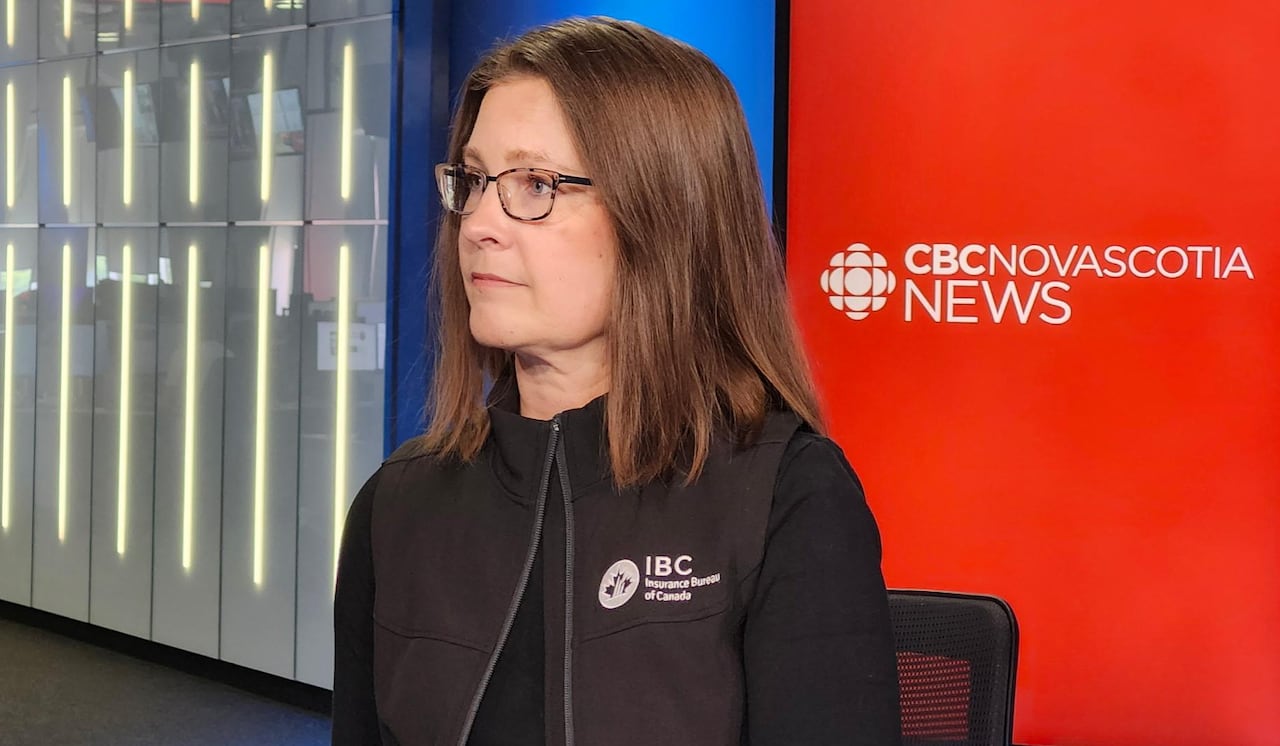 Amanda Dean is Atlantic vice-president of the Insurance Bureau of Canada. (Eric Wiseman/CBC)Preparation pays off
The need for smarter forecasting is urgent in Nova Scotia. Areas long considered safe have seen their threats rise over the past 25 years. The 2023 Upper Tantallon wildfire alone caused $165 million in insured damage, destroying 151 homes and displacing 16,000 people.
Murray, who fled that fire with just her daughter, her dog, and two baskets of belongings, is now a local FireSmart champion. Her subdivision, Highland Park, became the first in the Halifax region to earn an official FireSmart designation.
Sivapatham notes that these proactive community efforts are increasingly catching the eyes of insurance companies, which are starting to factor fire-resilient safety measures directly into premium calculations.
MORE TOP STORIES