
 4 min read
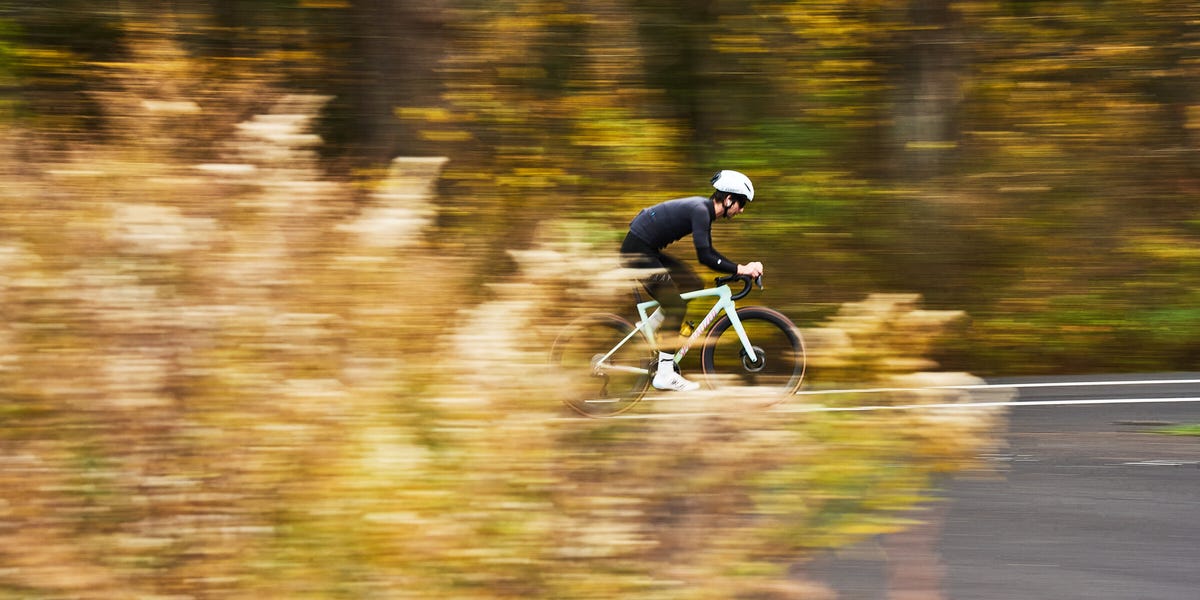
We know that aerodynamic drag is the biggest force slowing riders down, even at pretty modest speeds of 10 to 18 mph. And while aero bikes and wheels, which can cost many thousands of dollars, are often presented as the first and only things riders should think about when it comes to reducing drag, there are actually a lot of other, much more cost-effective ways to slow yourself down less, or simply ride faster.
Here are five of them.
1. An aero helmet
Look, you are going to wear a helmet when you ride your bike either way. So you might as well have it help you as much as it can.
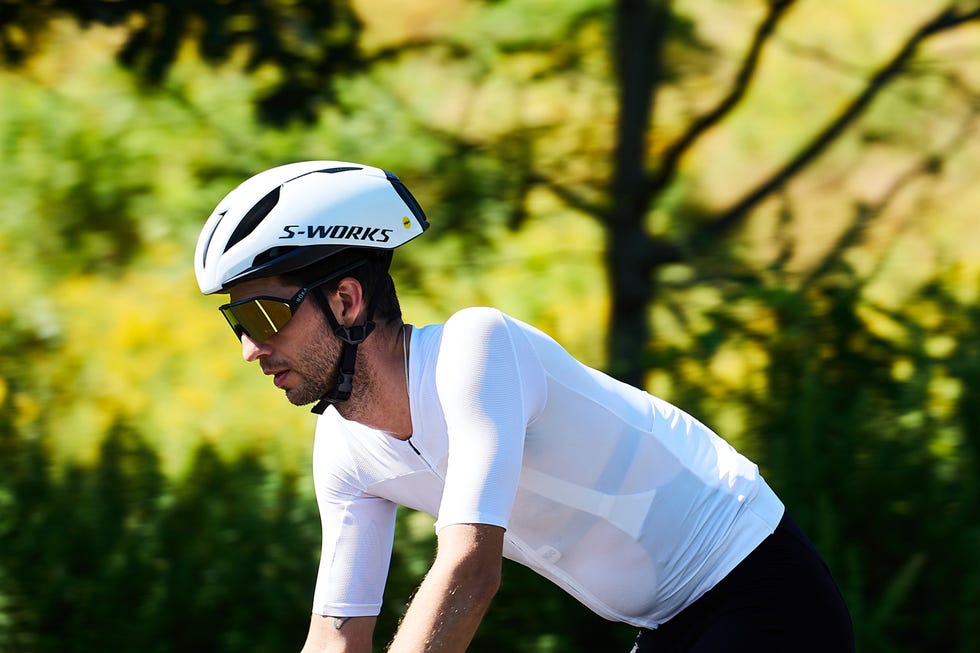
The first generation of modern road aero helmets that hit the market around 2012 and 2013, helmets like the Giro Air Attack and Specialized Evade, were widely seen as too heavy and too hot for everyday riding. They were the sort of thing certain riders wore on certain days, not the default choice for most people heading out for a normal ride.
Trevor Raab
That has changed. Now, for many riders, the default racing helmet, even on hot summer days, is an aero helmet. Over the last 13 years, aero helmets have gotten much better at combining cooling and aerodynamics through smarter shaping and better internal channeling rather than just relying on lots and lots of vents.
And at this point, the aero and non-aero helmets are often priced the same by most brands. So choosing the more aerodynamic model usually makes the most sense, even if you are not racing at professional speeds.
2. Better-fitting kit
As with a helmet, most riders wear cycling-specific kit on most of their rides. Now, if you are in the cargo shorts-and-T-shirt camp, what are you doing reading a story about aerodynamic upgrades? But also, carry on.
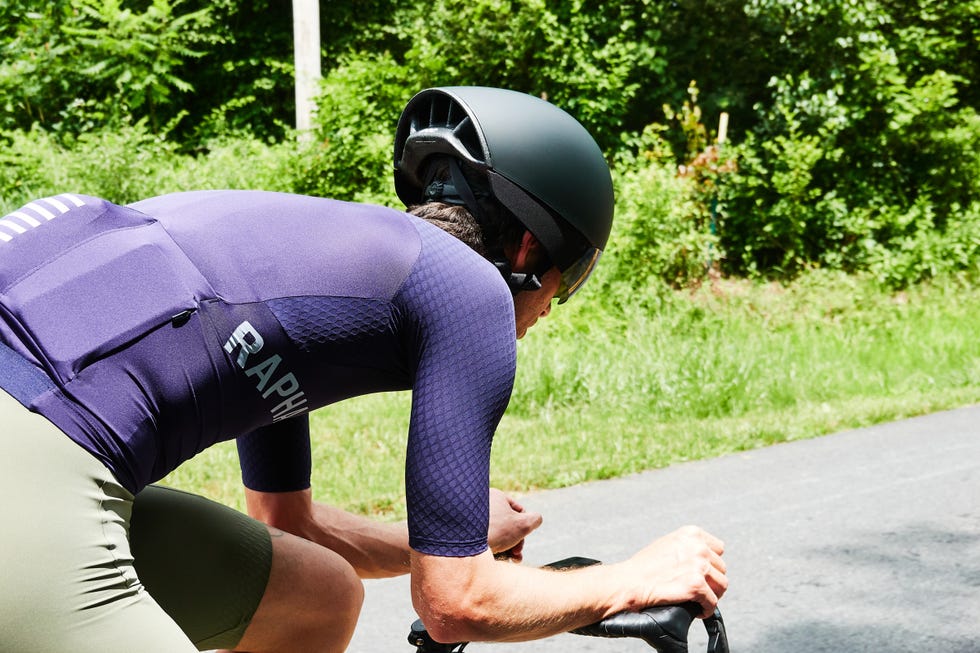
For the rest of us who are already wearing cycling kit, a very simple way to make yourself more aerodynamic is to just buy kit that fits better. Over the last decade, a major focus in making racers more aero has been on what they wear, because a rider’s body accounts for roughly 80% of the total drag, while the bike accounts for the other 20%.
trevor raab
And I am not even talking about buying the very specific and expensive aerodynamic kit with integrated textured fabrics designed to smooth the air around the rider’s body. I am simply saying: do not settle for loose or baggy kit. Get cycling clothing that is comfortable and as close-fitting as possible, because fabric flapping in the wind is costing you real speed.
3. Aero socks
One place where I will say it might actually be worth splurging a little on fancy aero-specific clothing is socks.
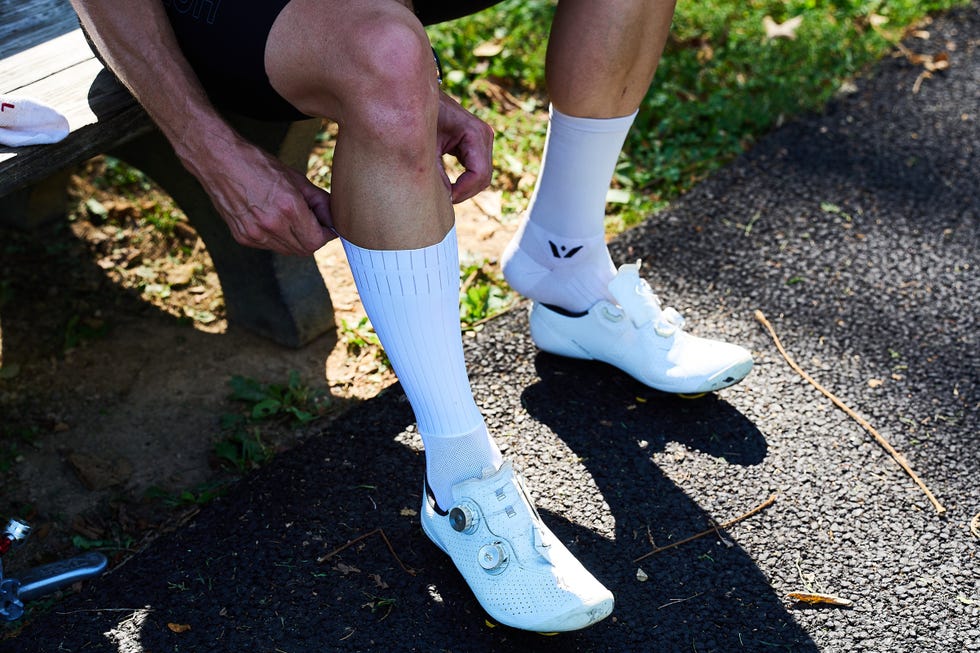
A high-tech aero race suit or jersey can cost hundreds, if not thousands, of dollars. But you can usually get a good pair of aero socks for anywhere from 15 bucks on AliExpress to under 100 dollars from a more established brand.
trevor raab
If you look at it in terms of dollars per watt saved, aero socks probably offer some of the best value in the whole aero conversation. Depending on the testing you look at, the gains can range from basically nothing to 10 watts saved. That is a huge range, and part of the reason is that aero gains from fabric over different people’s calves will vary. People have differently shaped calves, and different fabrics interact with those shapes in different ways.
Still, at worst, a pair of aero socks probably will not make you slower. And at best, they can offer a bigger benefit than swapping from an all-around bike to a full aero bike.
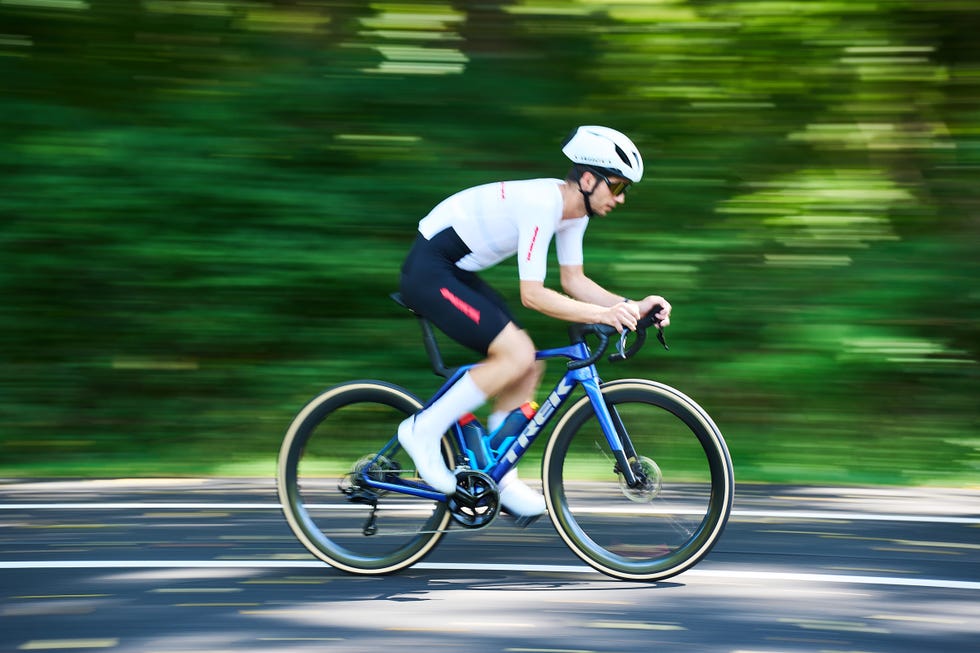
4. A more aero body position
Going back to the idea that 80 percent of the drag in a bike-and-rider system is the rider, one of the best ways to make yourself more aero is by getting a bike fit.
And I do not just mean cramming yourself into some extreme aero position. I mean actually finding something sustainable for the kind of riding you do. The gains here can be twofold. Better comfort and better biomechanics can improve your ability to put out power, and yes, there are also aero gains to be found in even small changes to body position on the bike.
trevor raab
That is really the key with fit. It is not just about getting lower for the sake of getting lower. It is about finding a position that you can actually hold, because a theoretical aero position does not do much good if you can’t stay in it.
5. Narrower handlebars
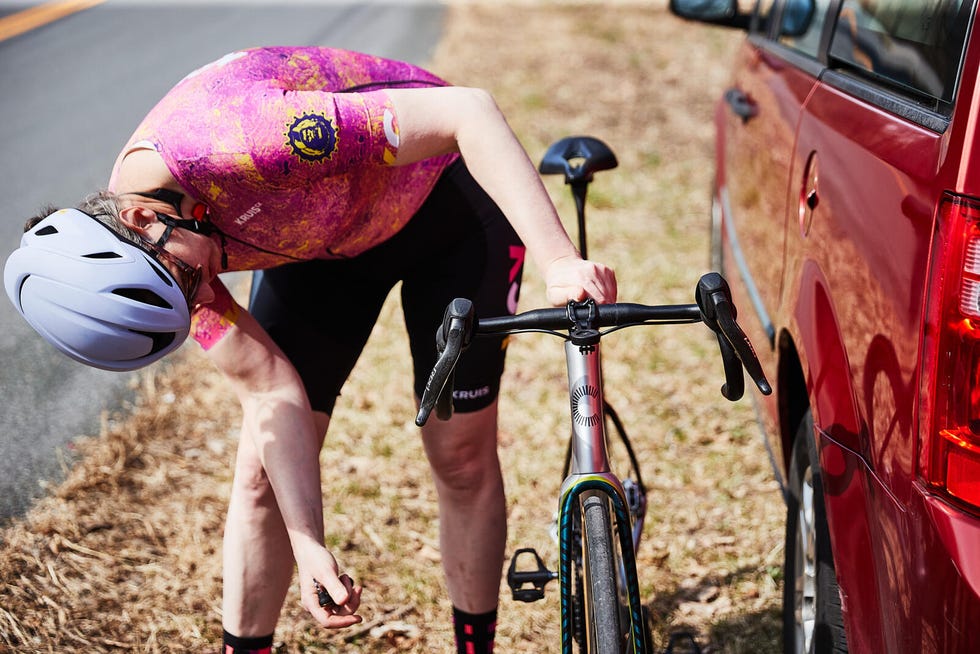
I will be honest, I was a bit of a skeptic about narrow handlebars until I started going narrower myself. I went from 44cm bars down to 42cm, and now I am on 40cm bars for gravel and 38cm for road. I can’t say I notice a huge difference while riding in terms of fit (although switching to a narrower bar should be paired with a bike fit), but I do knowI am going faster.
Aerodynamic drag is a pretty simple formula: CdA. And the “A” in that stands for area. If you reduce the area, all else being equal, you get more aero. That is exactly what narrower handlebars do.
trevor raab
Depending on your specific bike or cockpit, swapping bars can be relatively involved. But it is still much, much cheaper than upgrading a wheelset, and the gains are absolutely real.
The funny thing about aero upgrades is that the most talked-about ones are often the most expensive, while some of the most effective are relatively simple. An aero helmet, better-fitting kit, aero socks, a smarter position, and narrower handlebars all target the biggest source of drag on the bike: you.
And that’s really the point. If you want to ride faster, don’t just think about making the bike more aerodynamic. Consider making yourself more aerodynamic, too.

Test Editor Dan Chabanov got his start in cycling as a New York City bike messenger but quickly found his way into road and cyclocross racing, competing in professional cyclocross races from 2009 to 2019 and winning a Master’s National Championship title in 2018. Prior to joining Bicycling in 2021, Dan worked as part of the race organization for the Red Hook Crit, as a coach with EnduranceWERX, as well as a freelance writer and photographer.