
Forty per cent of respondents in a new Montreal homelessness report say they feel heavily criminalized, while many report little confidence in police and other authorities.
The report, released Tuesday by homeless advocacy groups Réseau d’aide aux personnes seules et itinérantes de Montréal (RAPSIM) and Clinique Droits Devant, paints a picture of widespread distrust of police and public institutions among people experiencing homelessness. Participants also reported hesitating to seek help out of fear they would be treated as suspects themselves.
Based on consultations, surveys and forums conducted throughout 2025, the report argues that social profiling remains a persistent reality in Montreal even as it has evolved beyond the ticketing practices that were the focus of the previous study.
“Current practices are not increasing safety — they are increasing exclusion,” said Sophie Sénécal, executive director of Clinique Droits Devant.
The report found that 66 per cent of respondents did not believe they were treated the same as other citizens, while none had a high level of confidence in police if they needed assistance.
Advocates say profiling now often takes the form of removals from public spaces, verbal harassment, increased surveillance and repeated interactions with police, transit security officers and private security personnel.
In a statement, the Service de police de la Ville de Montréal said it would first review the report before commenting on its findings.
The force said it has long shifted toward alternatives to criminalization in its interactions with people experiencing homelessness and emphasized its partnerships with community organizations and health-care providers.
We do not want to criminalize them unnecessarily,” the SPVM said, adding that officers are expected to assess situations on a case-by-case basis and refer people to community resources when appropriate.
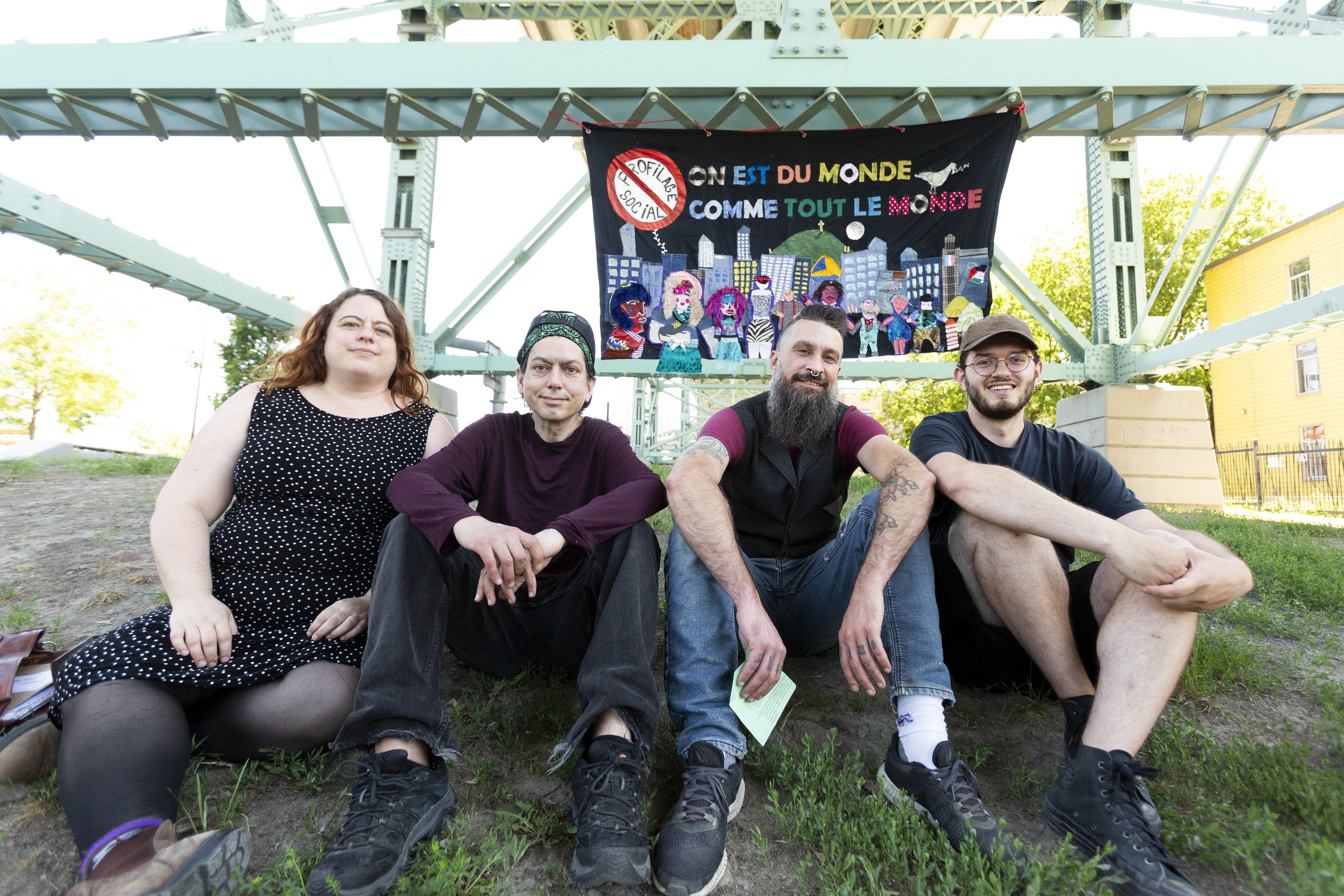 Sophie Sénécal, director of Clinique Droits Devant, community member Mathieu Thériault, Alex Berthelot, director of community services at CACTUS, and Jérémie Lamarche, community organizer for Réseau d’aide aux personnes seuls et itinérantes de Montréal (RAPSIM) after a press conference at the foot of the Jacques-Cartier Bridge. Tim Snow / Montreal Gazette
The coalition is calling on the City of Montreal to prohibit police street checks and resume a review of municipal bylaws that RAPSIM argues contribute to social profiling and increased contact between police and marginalized populations.
Alex Berthelot, director of community services at CACTUS Montreal, said some people avoid his organization’s supervised consumption site because they are scared of the police.
“We definitely do have people that don’t come to our centre because they fear being identified,” Berthelot told The Gazette after the press conference.
Berthelot said CACTUS has observed increased police presence around its supervised consumption site over the past year and a half and he has noticed a decline in the number of people using the service.
He also alleged that interactions between police and vulnerable populations have become increasingly focused on intimidation.
“Recently we’ve even been in situations where officers have tried to intimidate our staff.”
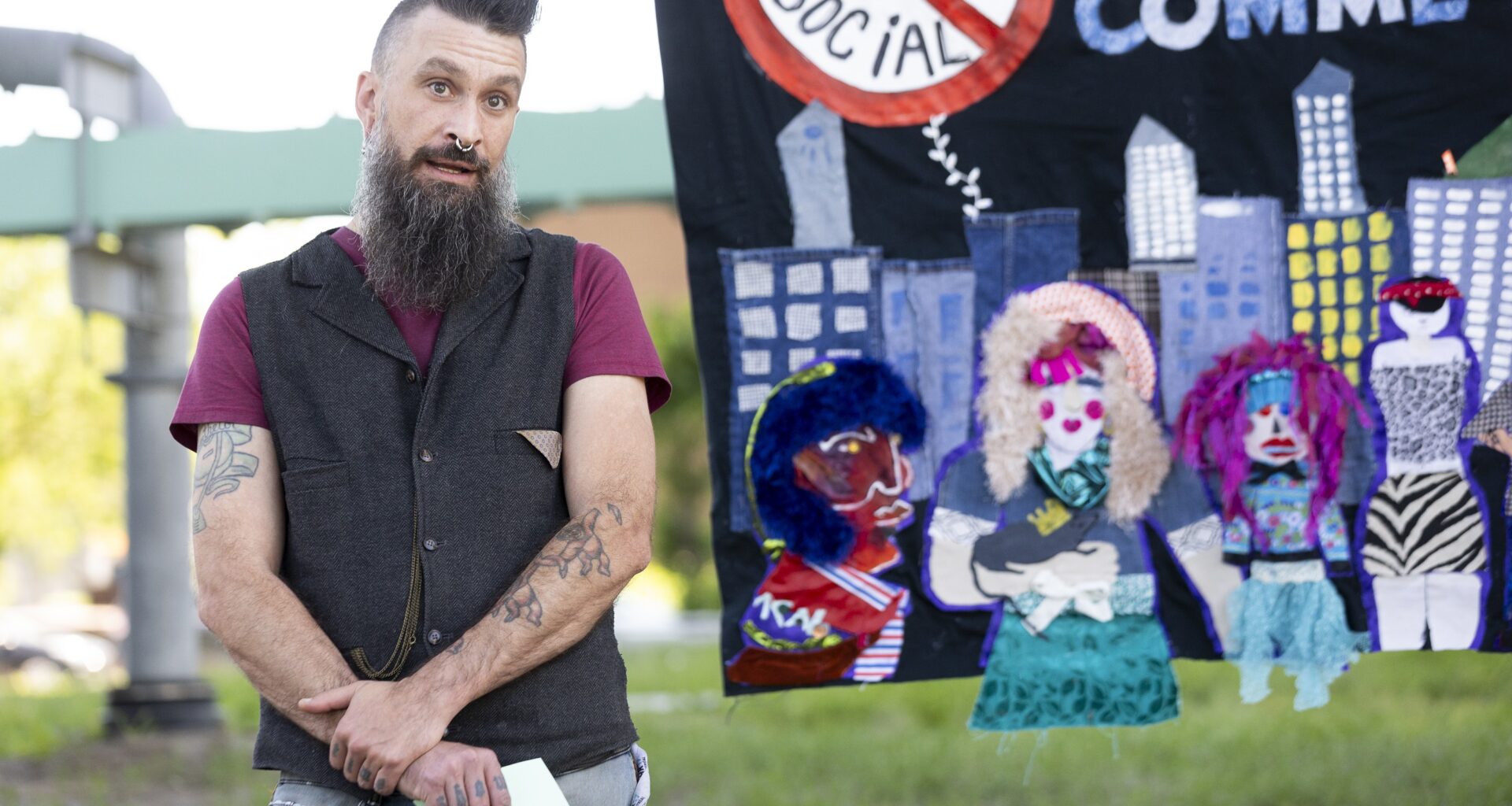
Mathieu Thériault, a former client of Clinique Droits Devant, shared personal experiences he said reflected ongoing social profiling.
“It makes us feel like second-class citizens. It’s humiliating. It happens every day,” he said.