

Listen to this article
Estimated 4 minutes
The audio version of this article is generated by AI-based technology. Mispronunciations can occur. We are working with our partners to continually review and improve the results.
A First Nation in northwest B.C. has won a court battle after a judge found the province failed to properly consult it before issuing a key decision for a major proposed gold, silver and copper mine in the region.
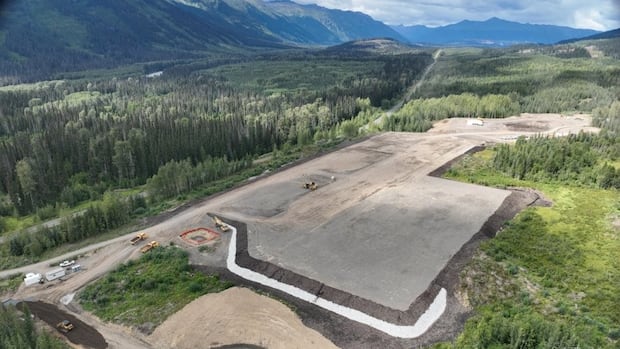
Seabridge Gold’s KSM Mine project, located near Stewart, B.C., is one of the largest proposed mining developments in the country, and has been under review and development for more than a decade.
It has been called the largest undeveloped gold mining project in the world, and Seabridge says it has spent $1.2 billion on the site, including $208 million since it applied for “substantially started” status in January 2024.
An environmental assessment certificate was issued in 2014, and the substantial start ruling meant a new one was not required.
The Tsetsaut Skii km Lax Ha Nation had petitioned for judicial review of the province’s July 2024 decision to grant a substantial start determination for the project.
In her June 8 decision, Justice Emily Burke determined the province breached its constitutional duty to appropriately consult the nation. She also ruled the province has to give the nation 90 days to provide written submissions before any reconsideration by the Ministry of Environment takes place.
“[I’m] kind of excited, but not really believing it yet. We will see what happens,” said Tsetsaut Skii km Lax Ha Chief Darlene Simpson.
“It’s a step in the right direction. At least they are going to talk to us, but the impacts to us are huge. They aren’t small.”
Territory bears brunt of the environmental risks, chief says
The Tsetsaut Skii km Lax Ha Nation’s traditional territory encompasses parts of the Nass River, Skeena River, Bear River, and Stikine River watersheds in northwestern British Columbia.
The province has previously determined that TSKLH territory would bear the brunt of the environmental risk for the KSM mine tailings pond, Simpson said.
The pond is expected to be about 52 storeys deep, she added, and is planned for construction on land that is exclusive traditional territory of Tsetsaut Skii km Lax Ha.
“We are relieved the province is finally required to consult properly, based on its own conclusion that our territory bears the brunt of the environmental risks of the toxic waste dump for the world’s largest gold mine,” said Simpson.
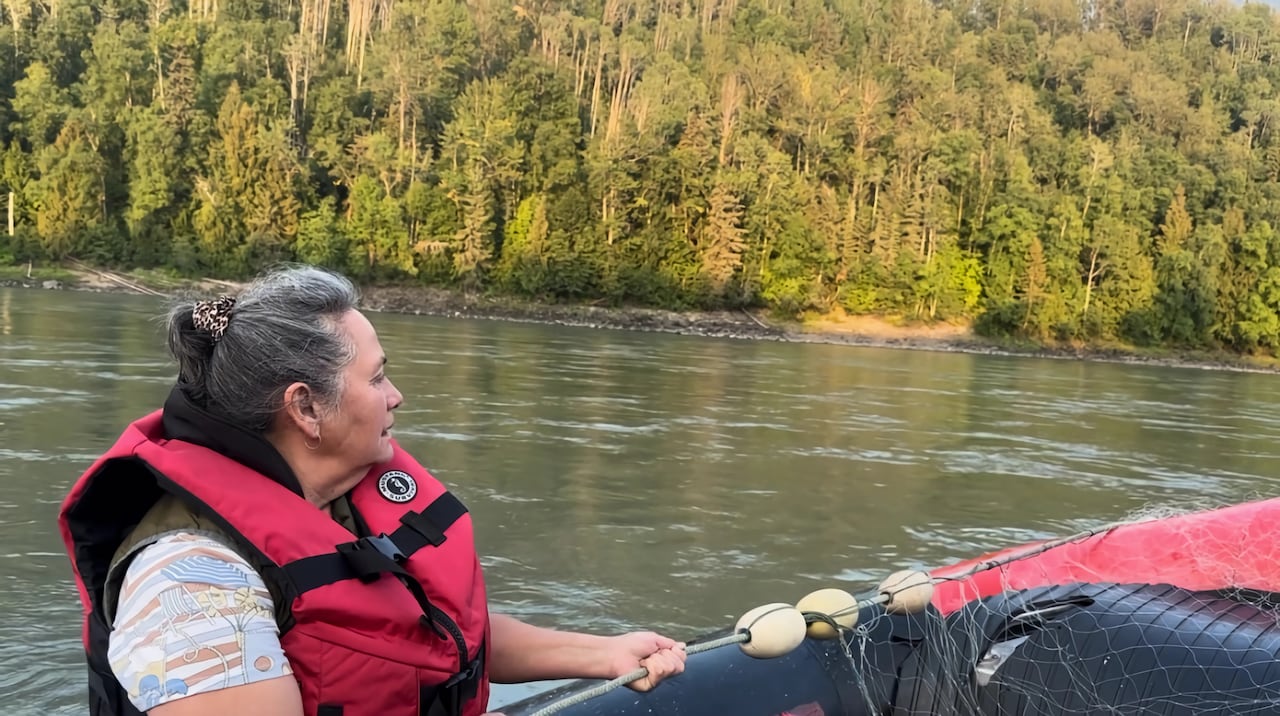 Chief Darlene Simpson of the Tsetsaut Skii km Lax Ha Nation said her nation’s territory bears the brunt of the environmental risks of the tailings pond for the project. (Karen McCluskey/ Tsetsaut Skii km Lax Ha Nation)
In her ruling, Burke found the nation had worked with the province in good faith to develop an assessment detailing TSKLH’s relationship with the land. The assessment was developed because of the province’s commitment that it would form a foundation for how the nation’s rights and title claims would be assessed in the future.
“At a critical time, however, the Province in effect disregarded those conclusions about the strength of the assessed claim without good reason,” the ruling states.
The nation argued the province’s own updated assessment recognized nation interests in the Treaty Creek Valley area, requiring a deeper level of consultation than was ultimately provided.
The decision found the province failed to properly consider that information when determining the project had made a substantial start.
In the absence of this, Burke found the substantial start determination was based on “critically incomplete information.”
Also central to Tsetsaut Skii km Lax Ha’s case was the assertion that signing agreements with other First Nations did not constitute adequate engagement, as the nation’s own concerns were left unaddressed, said Simpson.
“The decision is important not only for the Tsetsaut Skii km Lax Ha but for all First Nations,” said Ryan Beaton, legal counsel for Tsetsaut Skii km Lax Ha, in a statement.
“It lets the Province know it can’t ignore the concerns of small First Nations, particularly when they are most impacted. It upholds the constitutional requirement that all Nations have the same rights, regardless of size.”
The province had previously argued that proper consultation did take place and it wasn’t required to “formally assess the strength” of the nation’s territorial claims as part of the determination process.
Seabridge Gold chief executive Rudi Fronk said in a statement that the company is “satisfied” that the court also found the substantial start determination to be reasonable, and work on the mine project will continue while the province undertakes the reconsideration.