

Listen to this article
Estimated 4 minutes
The audio version of this article is generated by AI-based technology. Mispronunciations can occur. We are working with our partners to continually review and improve the results.
The Quebec government has managed the province’s battery sector with a lack of planning and insufficient analysis to identify risk, according to a new auditor general report released on Wednesday.
The auditor general’s office announced last July that it would be investigating the millions of dollars in subsidies provided by the province to the electric battery industry, after major players in the sector — including battery manufacturer Northvolt — came under severe financial difficulties.
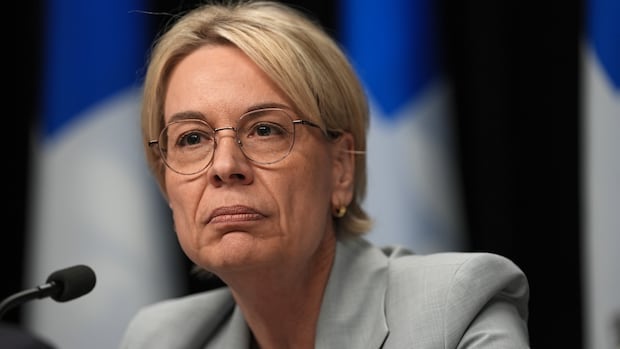
In examining how Investissement Québec and Quebec’s Ministry of Economy, Innovation and Energy managed financial assistance to the sector, Christine Roy found key elements such as clear objectives, timelines and targets were missing from the Coalition Avenir Québec (CAQ)’s approach.
Roy said in a news conference that the sector has been handled with an “unplanned approach.” Considering the large amount of public funds at stake and risks involved, she added that “it’s important to plan more rigorously.”
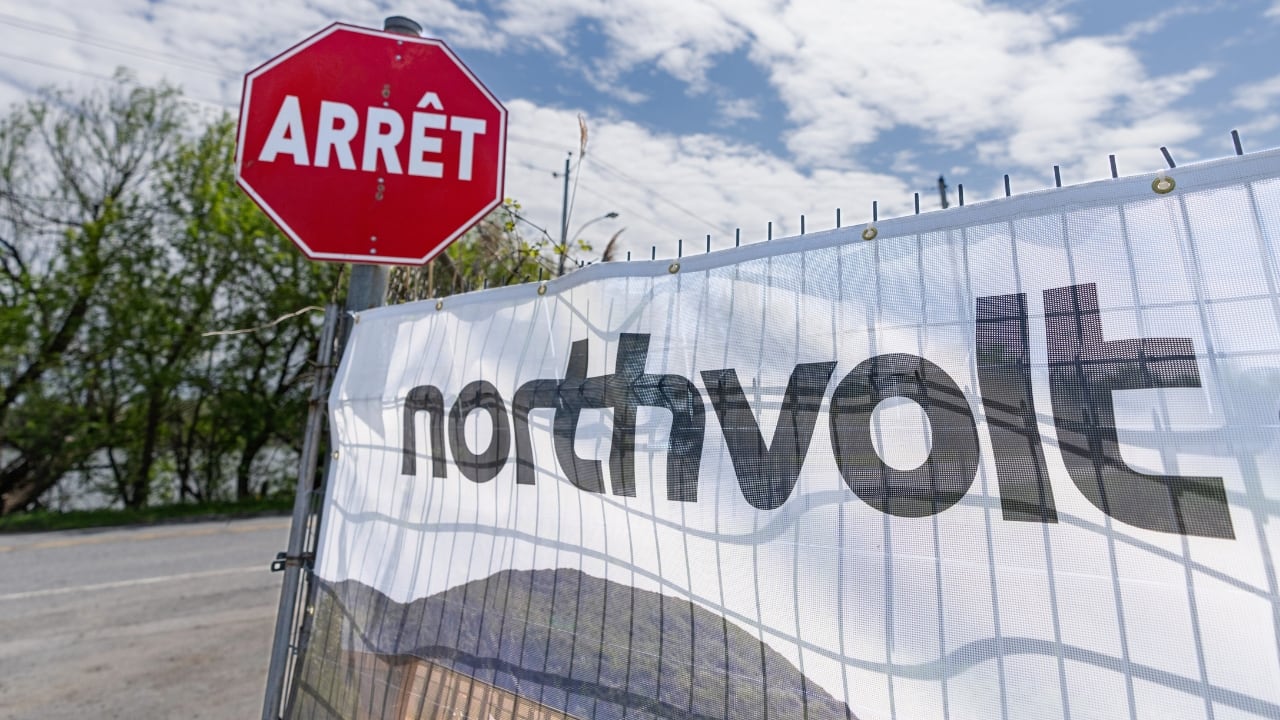 Northvolt’s highly touted, but controversial, plan to build a $7-billion plant in Saint-Basile-le-Grand and McMasterville in the Montérégie region officially ended in September 2025. (THE CANADIAN PRESS/Christinne Muschi)
Roy found there was a lack of structure for providing reasonable assurance that significant risks had been adequately identified and assessed.
She cited one example where “a company had a large problem of liquidity, but the government didn’t find that.”
At least $375M lost so far
Roy’s office analyzed 29 files related to 11 companies in the battery sector, representing approximately $2.2 billion in authorized financial assistance as of Sept. 30, 2025 — about $1.9 billion of which had been disbursed as of that time.
She found that four of the 11 companies have filed for creditor protection — after receiving, on average, 89 per cent of the financial support granted to their respective projects. Two other companies, meanwhile, have suspended or abandoned their projects; and three others had their costs significantly increase.
Losses from these projects, according to Roy’s report, total “$375.2 million, representing approximately 14.6 per cent of the amount authorized to date, and 95 per cent of those losses are linked to two files.”
However, she said the full cost to taxpayers won’t be fully known for years because some projects are still underway or under analysis.
WATCH | Here’s what’s in the AG’s scathing report: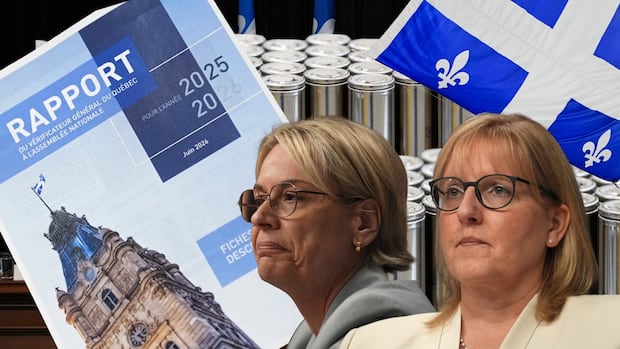
Quebec government’s strategy to develop battery industry poorly planned, auditor general says
The provincial government’s investments in the battery industry were poorly planned, lacking clear objectives and timelines. Those are the findings in a report released by Quebec’s auditor general, just months before the fall general election.Premier responds to findings
Premier Christine Fréchette responded to the findings Wednesday by blaming her two predecessors: former premier François Legault and former energy minister Pierre Fitzgibbon.
Fréchette said the 95 per cent of losses incurred were due to Northvolt and electric vehicle-maker Lion, and that she had ordered a stop to more public money being put into those two projects during her time as minister of economy, innovation and energy between 2004 and early 2026.
It’s noted in the auditor’s report that it was only in May 2025, after Fréchette’s arrival in the ministry, that a financial framework was adopted to provide the Treasury Board with forecasting information on the various financial assistance programs related to this sector.
However, the report describes this framework as insufficient, as it only covers financial aid already authorized, which does not allow for forecasting future fund outflows.
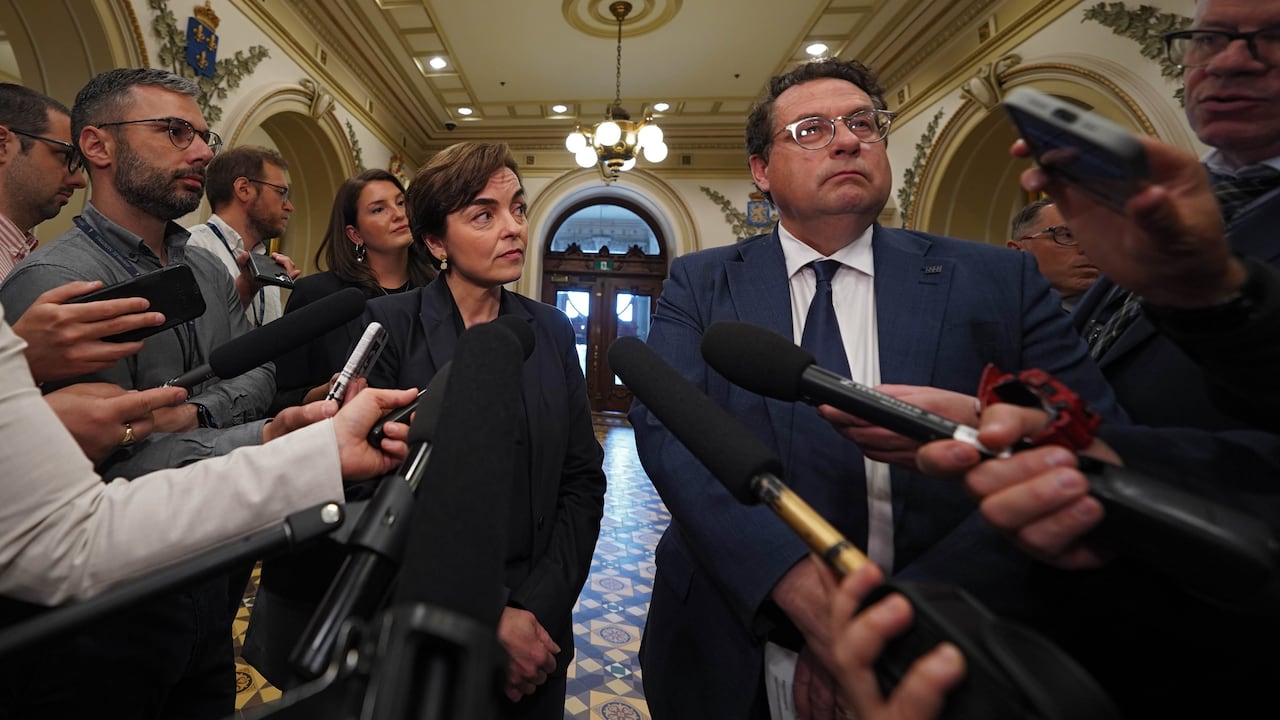 Premier Christine Fréchette and Minister of Economy, Innovation and Energy Bernard Drainville address the auditor general’s findings. (Sylvain Roy Roussel/Radio-Canada)
Earlier in the day, Fréchette had pointed out that there were still a large number of people working for companies in the battery sector in Bécancour, Que.
The premier admitted the sector has slowed down, because the energy transition hasn’t been as prominent as it once was, but “it’s still here to stay.”
Opposition parties pounce, Legault defends record
Fréchette faced tough questions from the Official Opposition Liberals, who accused her party of having “thrown Quebecers’ money out the window.”
“They spent hundreds and hundreds of millions without even developing a financial framework,” Liberal parliamentary leader André Fortin said in question period.
Fortin called the auditor general’s report “irrefutable.”
“It destroys the economic policy of the CAQ brick by brick.”
Québec Solidaire co-spokesperson and parliamentary leader Ruba Ghazal said the report shows “the CAQ gambled with public money.”
WATCH | Unpacking why the Northvolt project failed:
How the biggest private investment in Quebec’s history went bust
In 2023, the provincial government announced a partnership and a $510-billion investment with Swedish startup Northvolt to build an EV battery plant. But only two years later, Quebec pulled the plug on the multibillion-dollar factory. We broke down what went wrong.
Former premier Legault took to X late Wednesday afternoon to defend his record. He blamed U.S. President Donald Trump for the development of the electric vehicle battery sector “being delayed by a few years.”
Legault added that when it comes to the economy, “you have to take risks to perform.”