

Listen to this article
Estimated 4 minutes
The audio version of this article is generated by AI-based technology. Mispronunciations can occur. We are working with our partners to continually review and improve the results.
Petawawa, Ont., is set to get a whole lot more housing as the Ottawa Valley town’s garrison becomes a leading beneficiary of one of the biggest investments in military accommodation in decades.
Garrison Petawawa expects to receive almost $600 million in new homes and infrastructure as part of a $3.7-billion spending plan announced by Defence Minister David McGuinty in February.
While military members in Petawawa say the investment is long overdue, the impending construction boom will also have implications for the wider community, concerning some.
“It’s going to be greatly appreciated if it comes,” said David Locke, a chef and former Canadian Armed Forces (CAF) member in Petawawa.
The veteran said the housing was in poor condition when he lived on base, and he recalls renovating his own quarters. He believes current CAF members deserve better.
“I think these people should have the top of the top,” he said. “They’re risking their lives for us.”
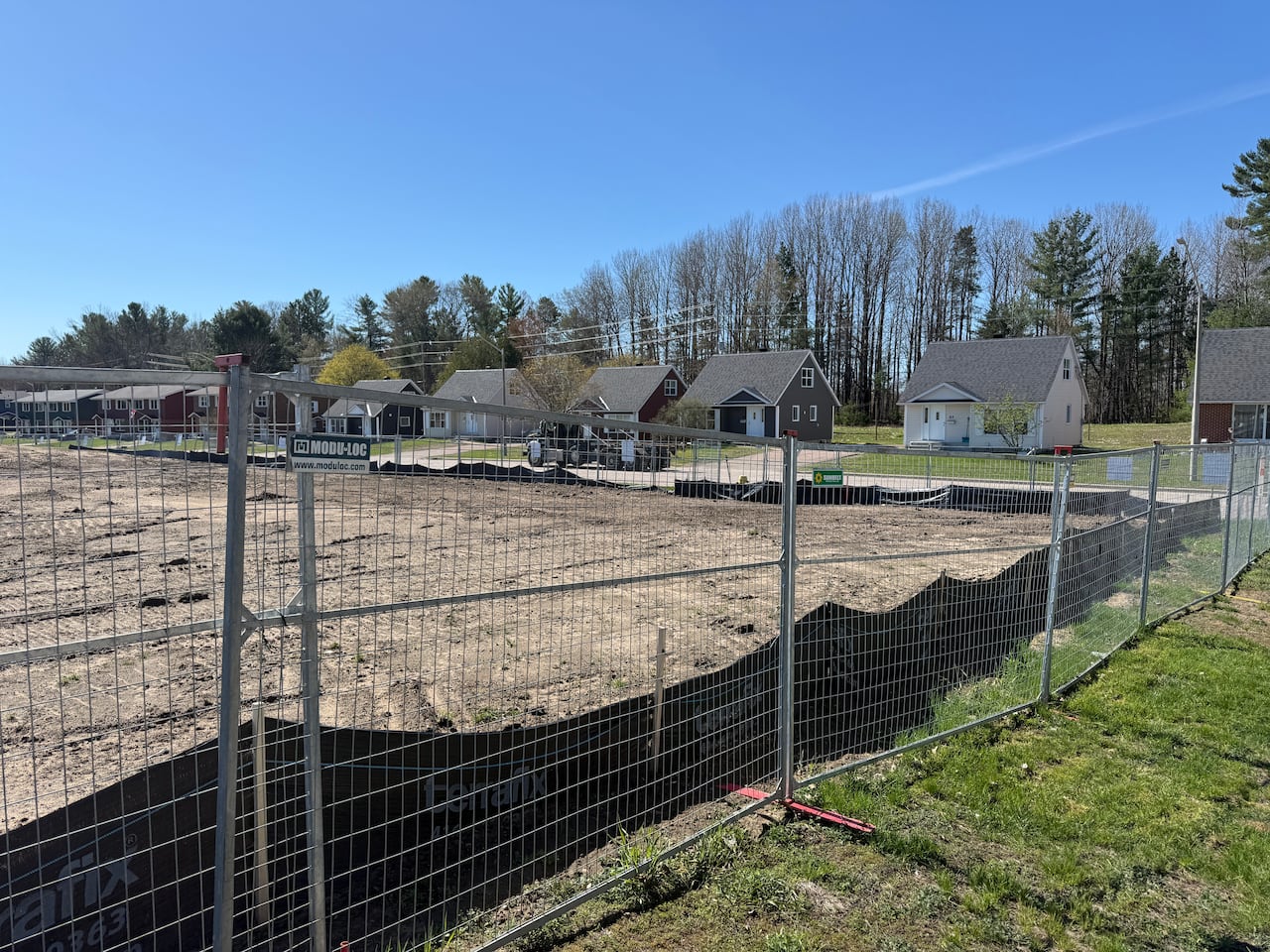 Garrison Petawawa has already broken ground to build new housing on base, with the first homes expected to be completed in 2027. (Ryan Garland/CBC)
The shortage and quality of housing for serving CAF staff across Canada has become a major political issue as the federal government embarks on an effort to bring defence spending to two per cent of GDP.
An auditor general’s report released last year painted a grim picture of military housing, highlighting crowded quarters, broken toilets and some units with unsafe drinking water.
That report didn’t surprise Locke, who described mould in basements and asbestos in buildings.
“It is ongoing still today,” he said.
The Canadian Forces Housing Agency (CFHA), which is currently responsible for around 12,000 residential units across Canada, is responding with a plan to build thousands more.
Alongside Edmonton and Valcartier, Que., Petawawa is expected to be one of the biggest beneficiaries of this program.
CFHA CEO Paola Zorro said that’s because Petawawa required more housing support than other bases.
“The agency has taken a look at several factors like the demand, but also the real estate market, the availability, the affordability,” she said. “We acknowledge that we need to do more.”
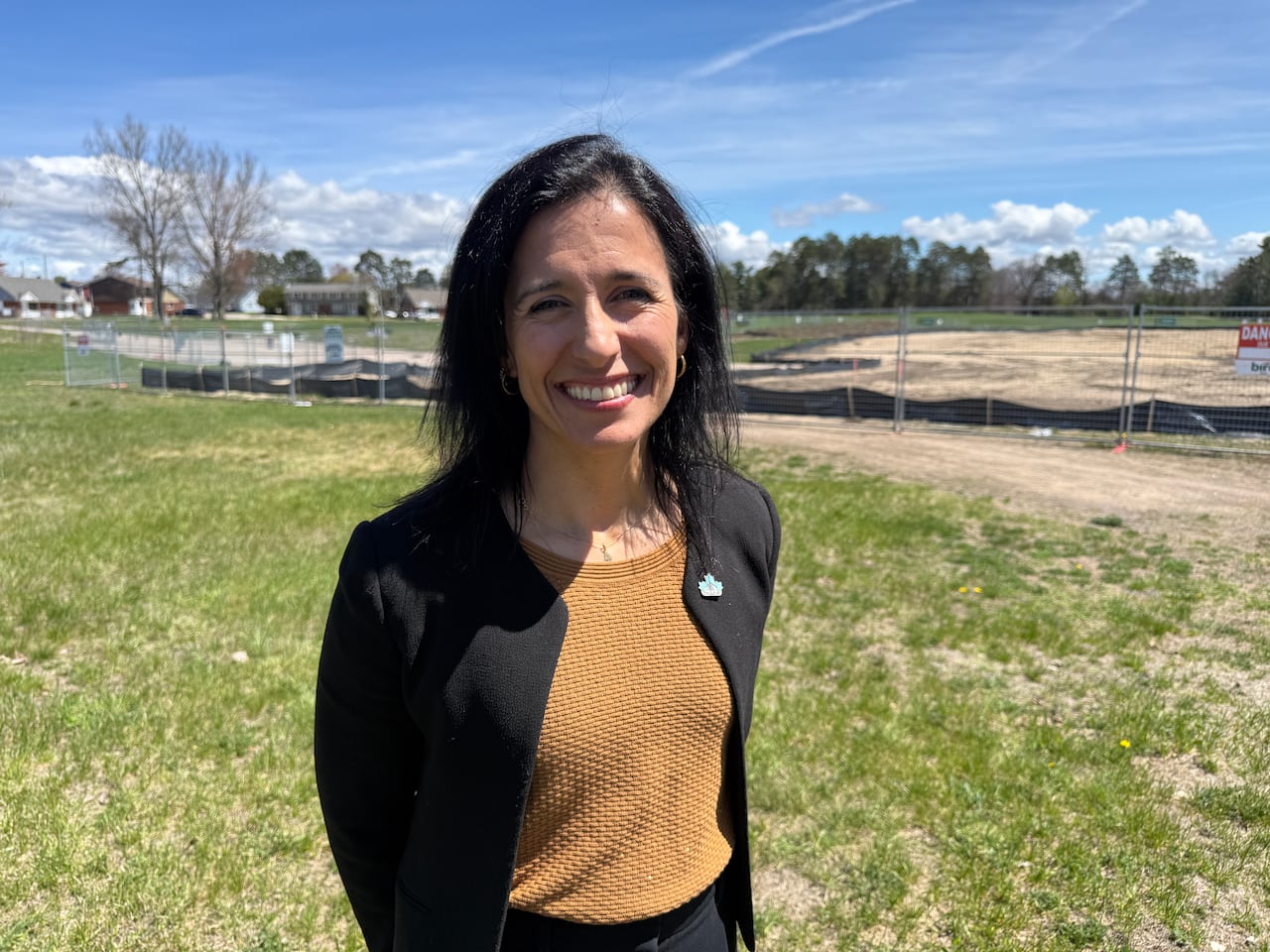 Canadian Forces Housing Agency CEO Paola Zurro says Garrison Petawawa will be one of the biggest beneficiaries of a major investment in housing due to an acute accommodation shortage on base. (Ryan Garland/CBC)
Currently, more than 650 CAF members are on a wait-list for military housing at Garrison Petawawa. CFHA is planning to build more than 1,100 new units there.
While Petawawa Mayor Gary Serviss welcomes the investment, he also has concerns about how all this new housing will strain existing infrastructure.
“When you put that many homes into … a smaller community, it is going to put some pressures onto our town,” he said. “With the rapid development, it could place a huge burden on our taxpayers.”
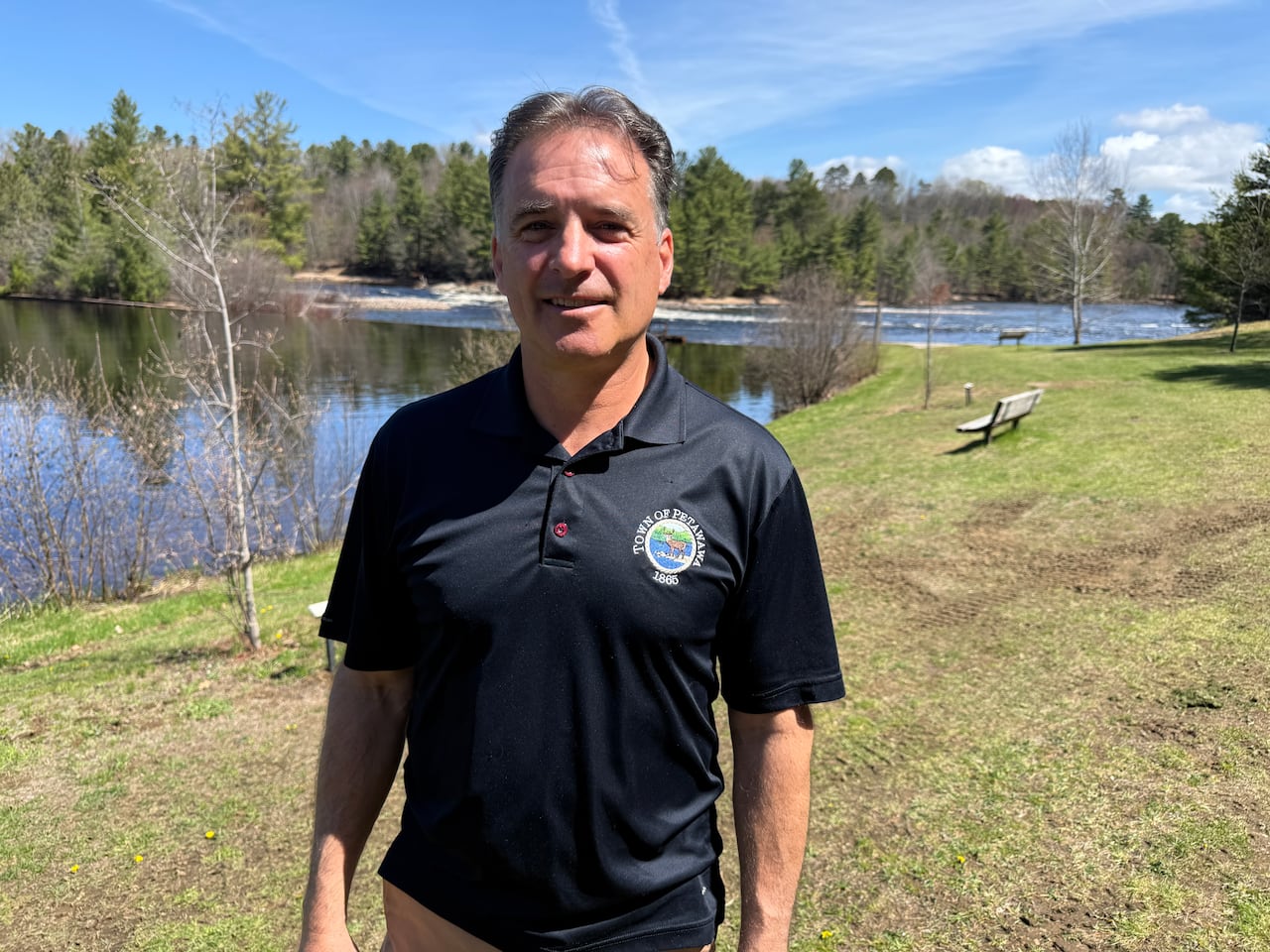 Petawawa Mayor Gary Serviss welcomes the investment in housing at the town’s garrison but has concerns about the impact on existing infrastructure. (Ryan Garland/CBC)
The town is now stress-testing its water and sewage plants to see if they’re capable of coping with an increased demand.
“We have to determine what pipes we have in the ground, what capacity we have, and where everything is going to flow,” Serviss said.
The town is working closely with garrison command, DND and CFHA, but will also ask the province for additional funding to help pay for any needed infrastructure upgrades, he added.
“It’s not just the water and wastewater, it’s also going to increase pressure and stress on our roads, traffic, daycare, our school systems and of course our health-care system.”
But for the most part, people living in Petawawa are excited for the investment in the base —especially military members and their families.
“I think this could positively impact recruitment, so I’m all for it,” said Geoff Ormond, a military trucker. “It gives people a little more reassurance with postings that they’re going to have a home waiting for them in Petawawa that could be affordable.”
His wife Olivia, who lives with Ormond in residential housing on base, agrees.
“We need it,” she said, explaining that the current housing shortage can prevent some families from living together on base until suitable accommodation is found.
“That could be years,” she said.