
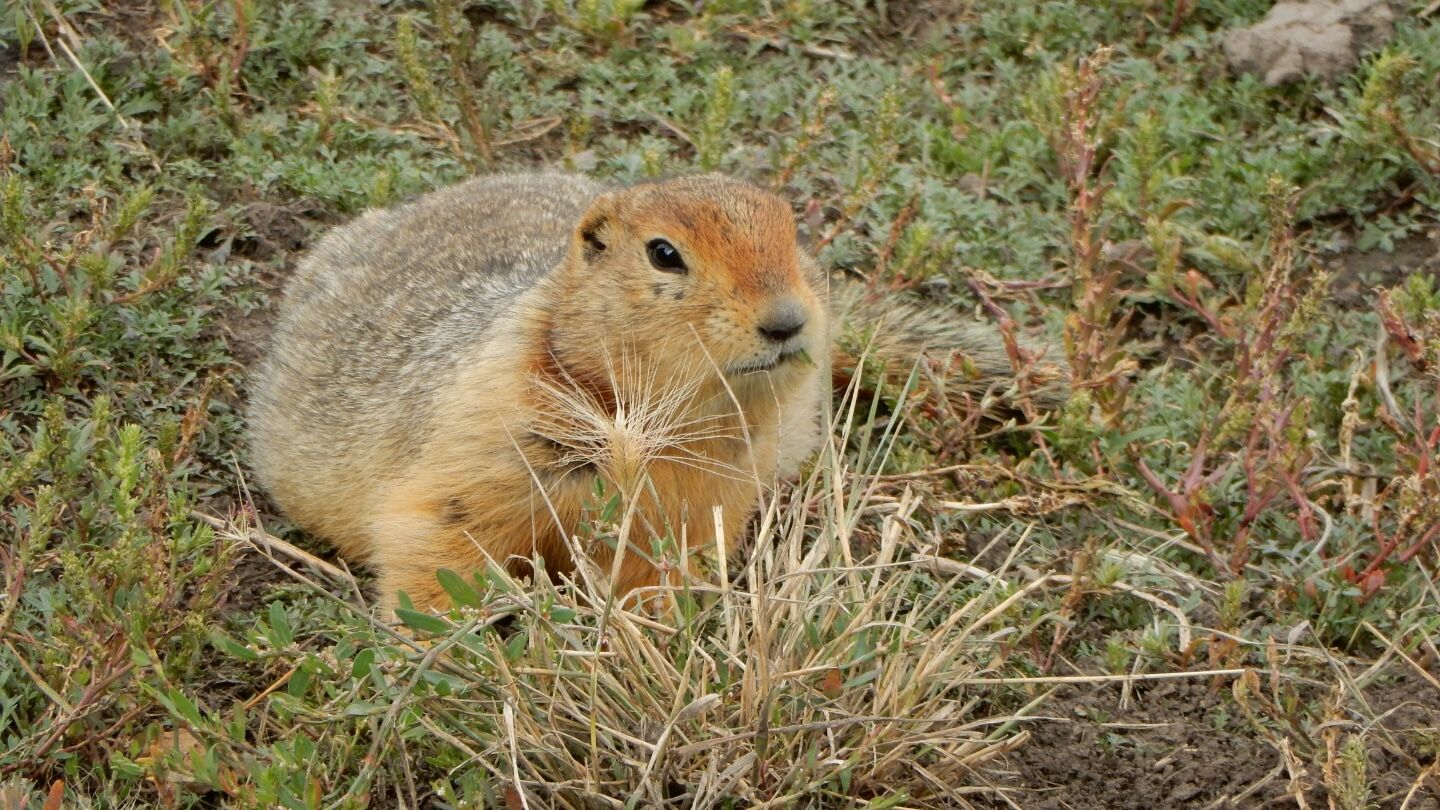
Frozen droppings of prehistoric ground squirrels are chock-full of DNA from ice-age beasts, including woolly mammoths, a mysterious big cat and a huge array of other organisms, revealing a remarkably detailed genetic snapshot of ancient life in Canada’s rugged Yukon.
Although the genetic material of large creatures was found in the ground squirrels’ poop, these rodents were not carnivores. They were opportunistic omnivores that feasted on a wide variety of plant material and fungi, as well as insects, rodents and carrion, just like Arctic ground squirrels (Urocitellus parryii) do today in the Yukon Territory and other parts of northwestern North America and Siberia.
You may like
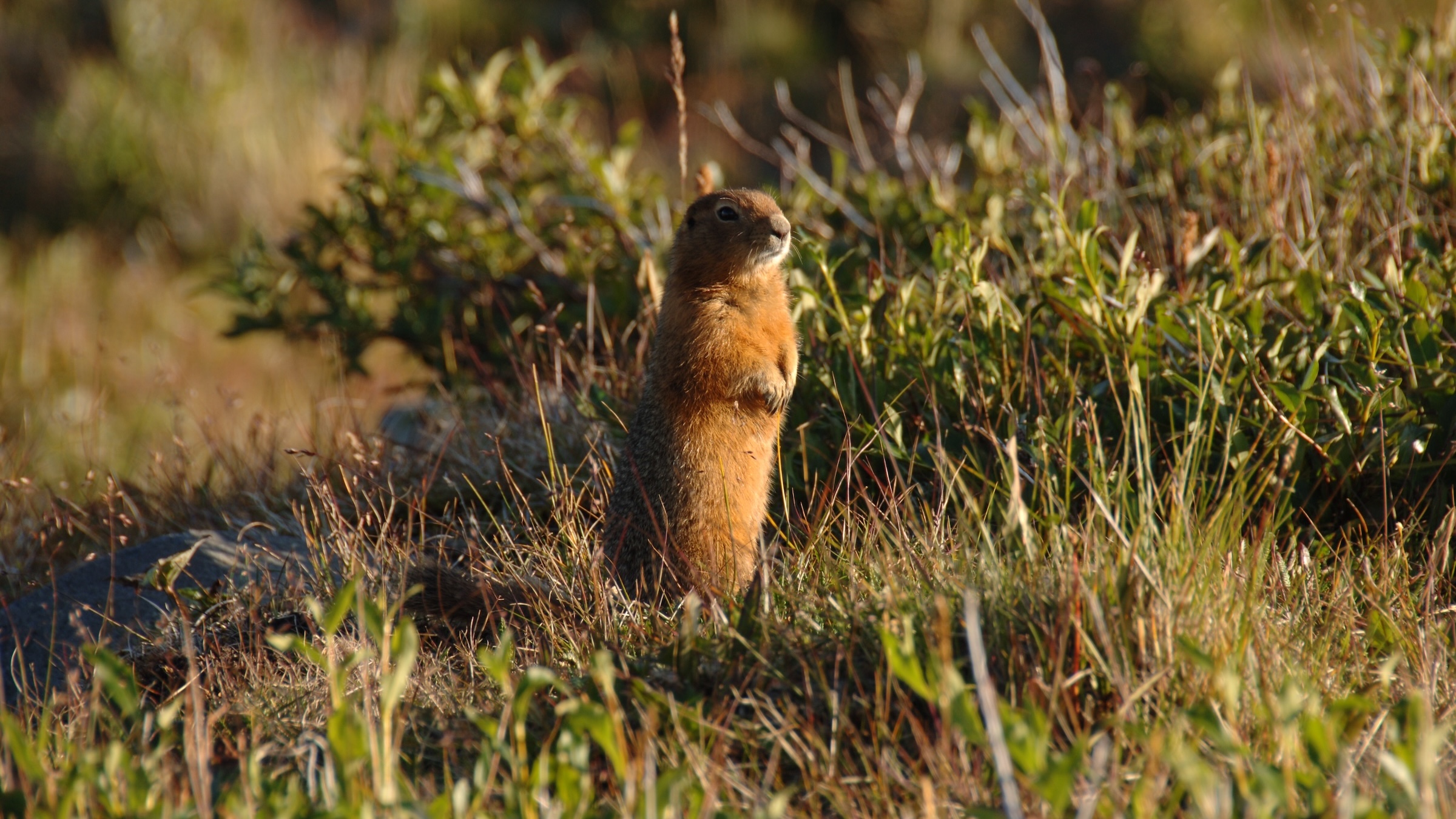
The coprolites, or fossilized poop, in the study spanned several glacial periods.
(Image credit: Government of Yukon)
Poop detectives
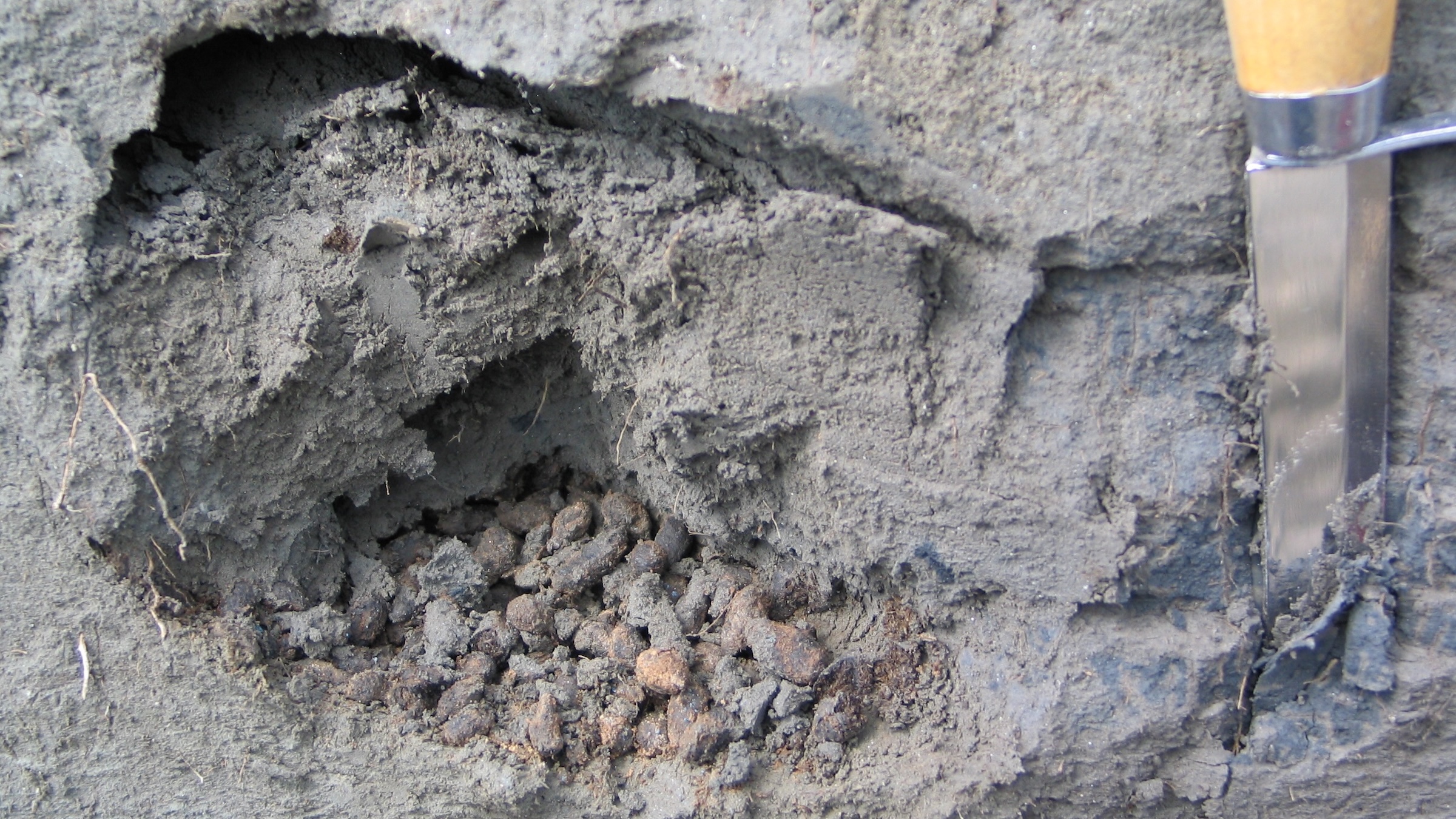
Ancient fecal pellets left by Arctic ground squirrels that were found in the Yukon’s Lower Quartz Creek.
(Image credit: Duane Froese/University of Alberta)
What to read next
Murchie, T. J., Cocker, S. L., Baleka, S., Vogel, N. A., Natola, L., Karpinski, E., Tirlea, D., Barrera, M. A., Grant, D. M., Morien, E., Long, G. S., Rutledge, L. Y., Zazula, G. D., Jensen, B. J., Froese, D. G., & Poinar, H. N. (2026). Ground squirrel coprolites preserve complex archives of ancient environmental DNA over 700,000 years. Nature Communications. https://doi.org/10.1038/s41467-026-72977-6