
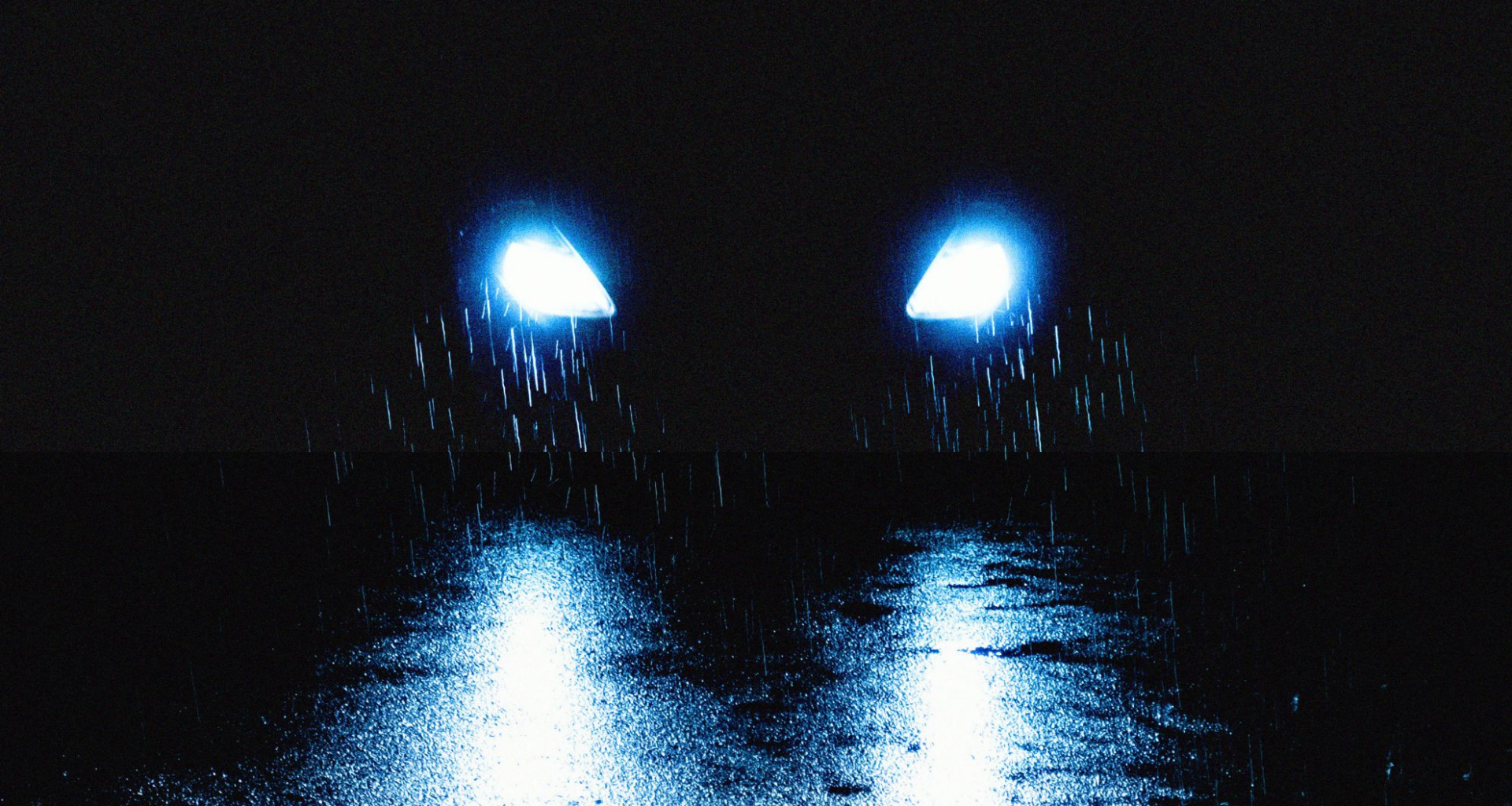
While the lights may make it easier for some to see, all oncoming traffic and pedestrians could be negatively impacted.
It isn’t just the brightness: Cars have also gotten bigger, which means an increasing number of headlights are positioned at the eye level of oncoming vehicles and pedestrians.
Speaking with the CBC, Dr. Christina Schropp, an optometrist with West 5 Optometry in London, Ont., said the lights do not affect eye health because drivers are protected by their windshields, but they still pose safety concerns.
“We call it ‘the startle.’ A bright light can startle the visual system and cause it to sort of lose its ability to focus because of that very bright light suddenly coming into the eye,” she told the outlet.
“Then you get to the question of what’s the reaction to that visual startle? Would they pull their steering wheel, put on their brakes, and then have that erratic driving pattern, or could they have a radical pattern if they’re able to re-fixate?”
Contributing to light pollution
Research suggests that the widespread use of LEDs at night creates more light pollution because the high-intensity, cool-toned light scatters further in the atmosphere.