

Listen to this article
Estimated 4 minutes
The audio version of this article is generated by AI-based technology. Mispronunciations can occur. We are working with our partners to continually review and improve the results.
Quirks and Quarks53:59Fossilized squirrel poop full of ancient animals, and more…
On this week’s episode of Quirks & Quarks with Bob McDonald:
Ancient squirrel poop offers a glimpse of Ice Age ecosystems
Quirks and Quarks9:04Ancient squirrel poop offers a glimpse of Ice Age ecosystems
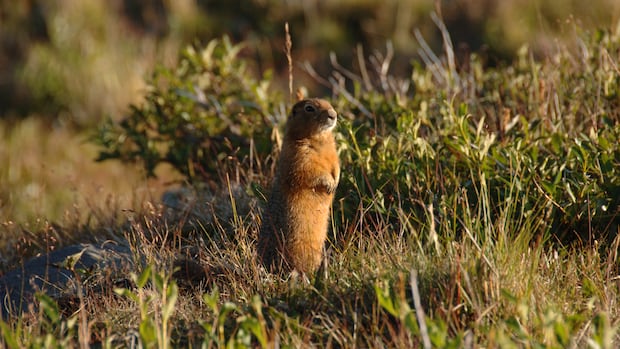
Gold miners working in the Yukon regularly find ancient ground squirrel burrows throughout the permafrost, many containing fossilized feces. A team of researchers, including Scott Cocker from Stockholm University and Tyler Murchie with the Hakai Institute and McMaster University, did detailed analysis of these well-preserved poop piles, dating from 30,000 to 700,000 years ago, and found they contain some of the oldest DNA ever recovered. Tucked inside were traces of a wide range of ancient animals, including woolly mammoths, grasshoppers, steppe bison, ancient horses, American cheetahs, as well as hundreds of plant species. The research is published in Nature Communications.
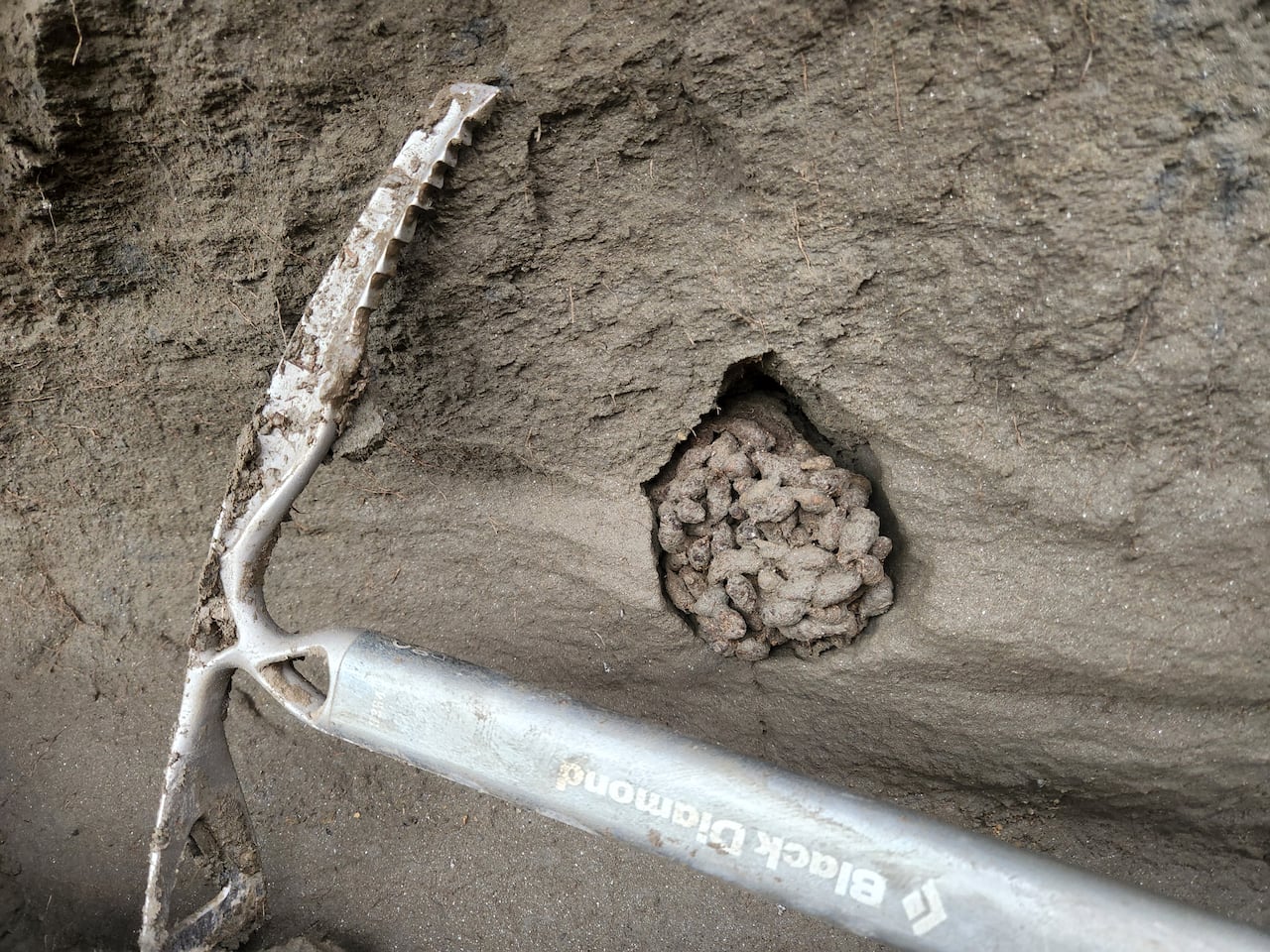 Fossilized squirrel poop preserved in permafrost in the Yukon contains ancient DNA from the Ice Age. (Scott Cocker)Going out on a limb. Animals regrow body parts, maybe we can too
Quirks and Quarks8:15Going out on a limb. Animals regrow body parts, maybe we can too
Axolotl salamanders, mice and zebrafish all have the remarkable ability to regrow parts of their bodies. A group of scientists working with these animals have found the genes responsible for regrowing limbs — and it could lay the groundwork for treating humans. Josh Currie is a biologist at Wake Forest University in North Carolina. His lab studies the Mexican axolotl salamander and he is a senior author on this research published in the Proceedings of the National Academy of Sciences.
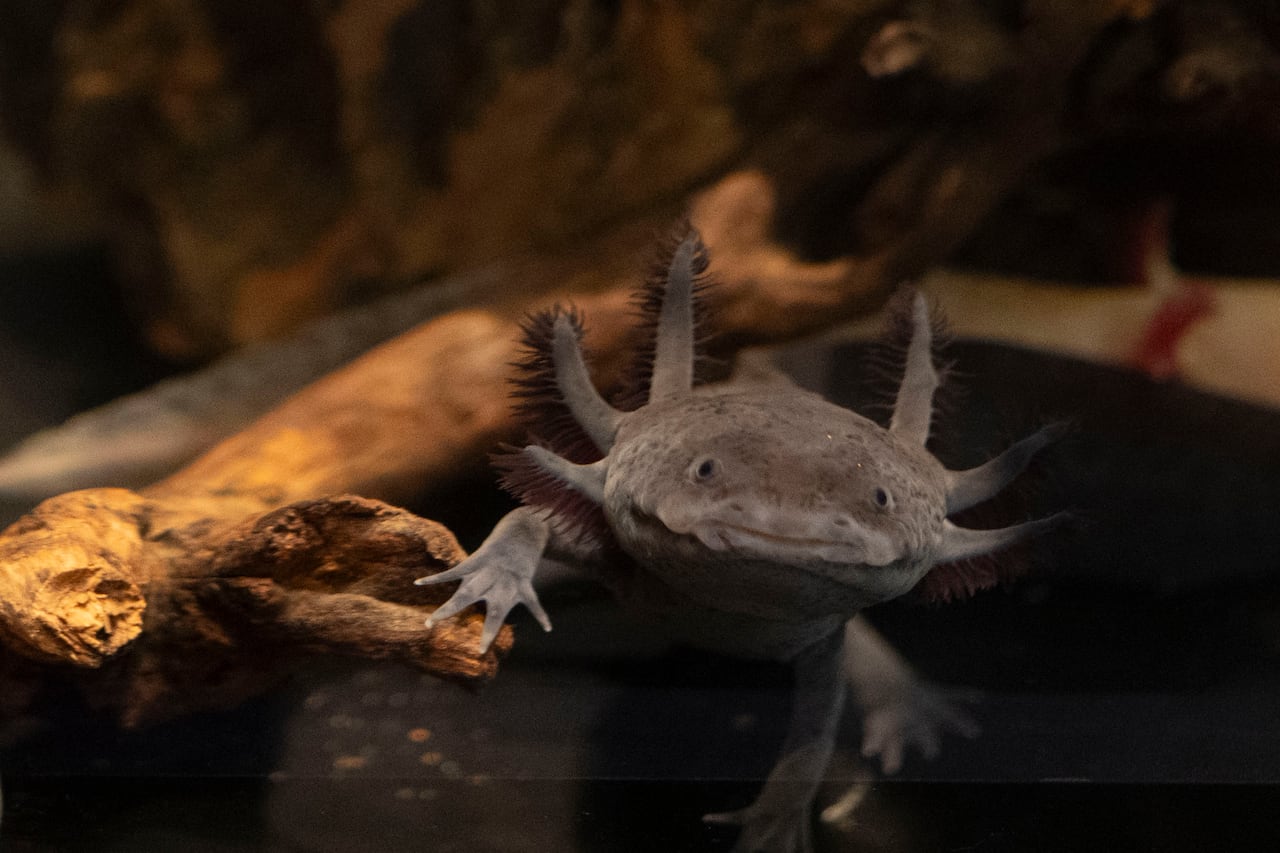 Axolotls are native to Mexico, where they’re critically endangered. The species is known for its remarkable regenerative abilities. (Pablo Porciuncula/AFP/Getty Images)From the archives: Isaac Asimov on human creativity and robots
Quirks and Quarks7:28From the archives: Isaac Asimov on human creativity and robots
The scientist and sci-fi writer Isaac Asimov was a regular guest on Quirks & Quarks for many years. To celebrate our 50th anniversary, we’ve unearthed a 1986 interview with Asimov and then-host Jay Ingram on one of his favourite topics: Robots. In his novels and short stories, Asimov explored interactions between humans and robots, and his stories are gaining renewed attention as we increasingly interact with artificial intelligence. He also weighs in on space exploration — including plans to build an international space station.
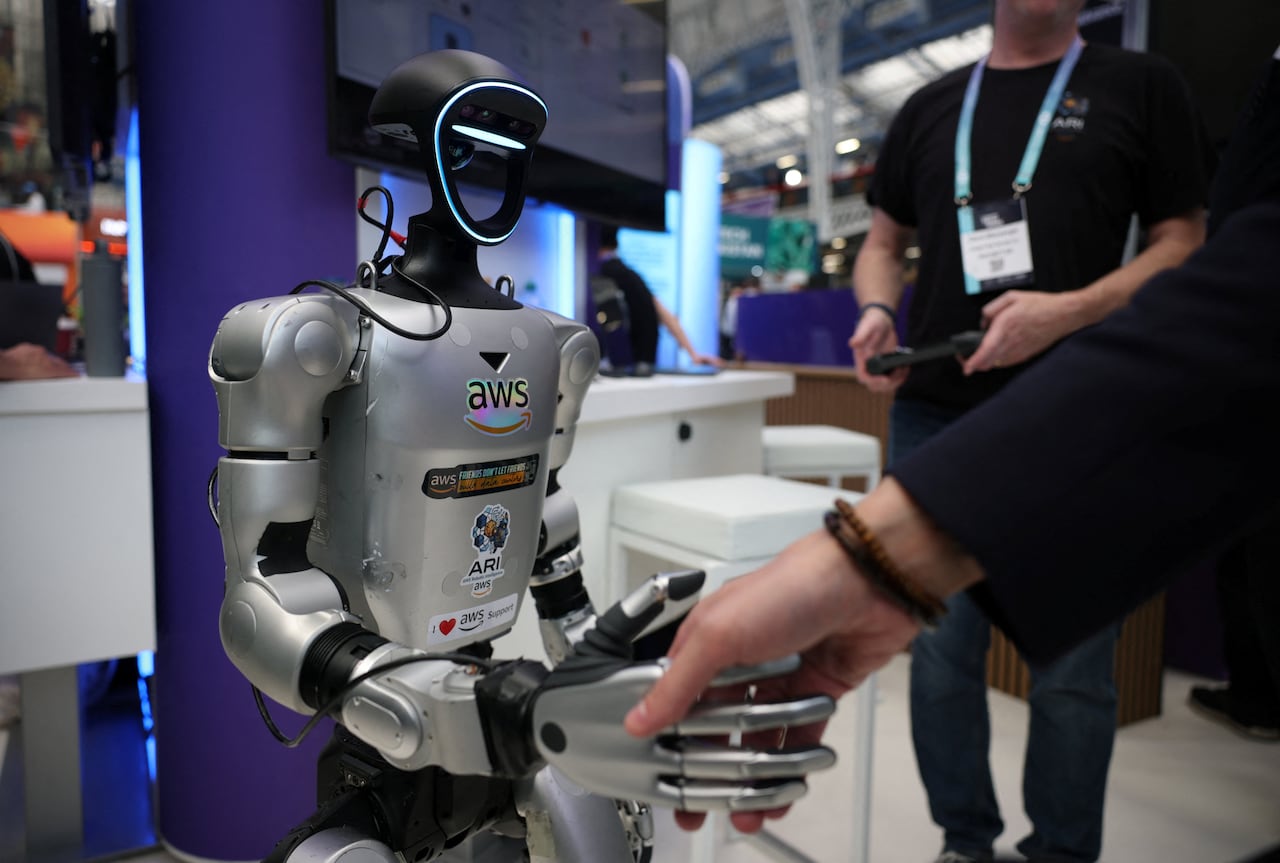 A visitor interacts with a Unitree G1 Humanoid Robot during the London Tech Week at Olympia, in London, on June 8, 2026. (Isabel Infantes/Reuters)We’re a hotbed of mutations, and scientists are leveraging that for our health
Quirks and Quarks17:00We’re a hotbed of mutations, and scientists are leveraging that for our health
The genetic instructions you get from your parents are not the same instructions you have when you die. Our cells are mutating all the time, from our very first pair of cells until our final breath. Some of these copying errors in our DNA can have devastating consequences, like when they give rise to cancer, but they’re also essential for our survival. Canadian science journalist Roxanne Khamsi takes us on a tour through the “landscape of mutations” that our bodies become that scientists are trying to leverage for the benefit of our health in her new book, Beyond Inheritance: Our Ever-Mutating Cells and a New Understanding of our Health.
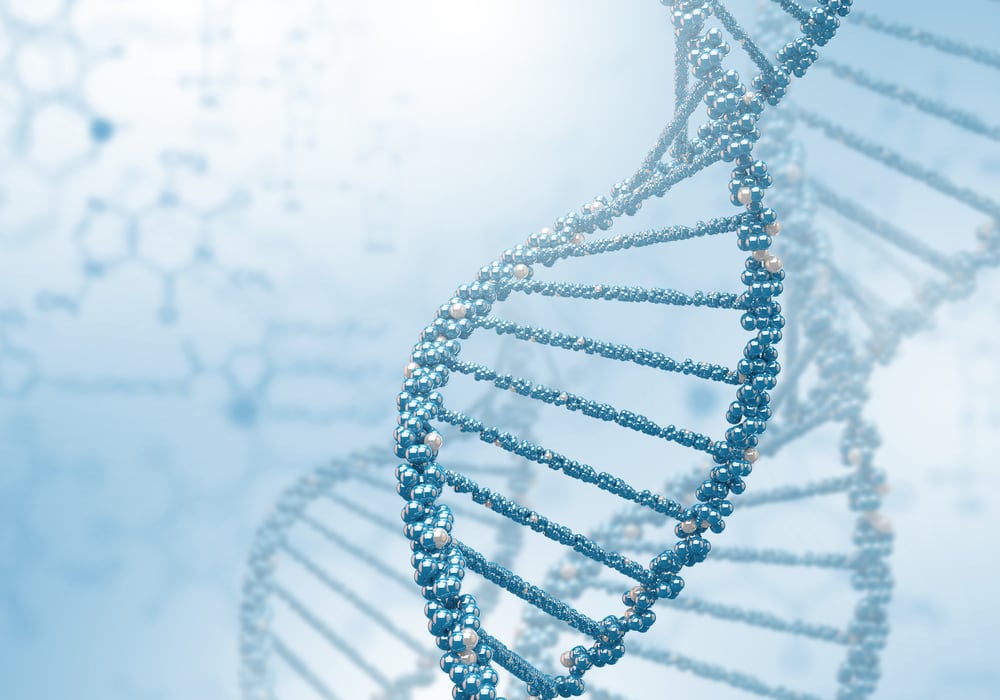 The DNA in our cells are continually acquiring new mutations, from our very first pair of cells until our last breath. (ESB Professional/Shutterstock)‘Super-good, ice-making microbes’ may trigger snow and rain, or help freeze food
Quirks and Quarks9:53‘Super-good, ice-making microbes’ may trigger snow and rain, or help freeze food
Some microorganisms produce proteins that can transform water into ice at relatively warmer temperatures. Scientists uncovered one of these proteins in a lichen — an algae-fungus symbiotic partnership — in Alaska, but say it acquired the skill to make it from a bacterium in the distant past. The protein acts like a template for water molecules to cling to, allowing water vapor to form heavier droplets or ice crystals, something scientists used to think only occurred with particles like dust, pollen or salt. Konrad Meister, a biophysical chemist from Boise State University and the Max Planck Institute for Polymer Research, said this protein could let us engineer the weather through fungal cloud-seeding to trigger rain or snow. Meister is senior author of the study that’s published in the journal Science Advances.
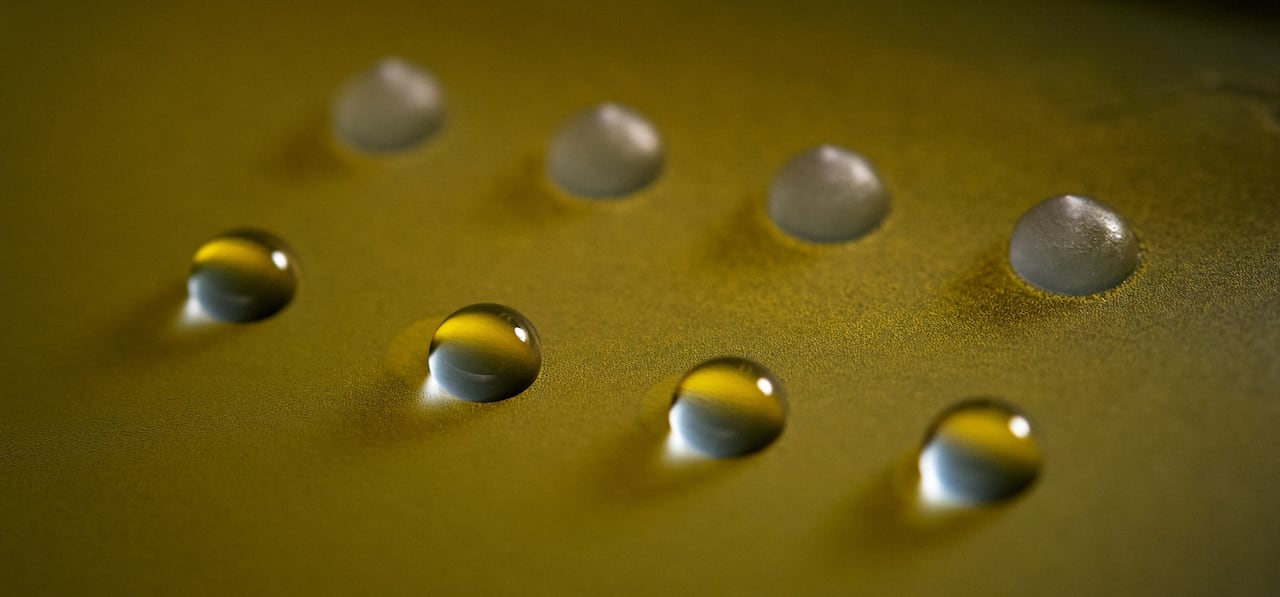 The droplets in the front row are liquid water and the ones in the back are ice, but they’re all at the same temperature. The frozen droplets contain the fungal protein. (Boris Vinatzer/Virginia Tech)