
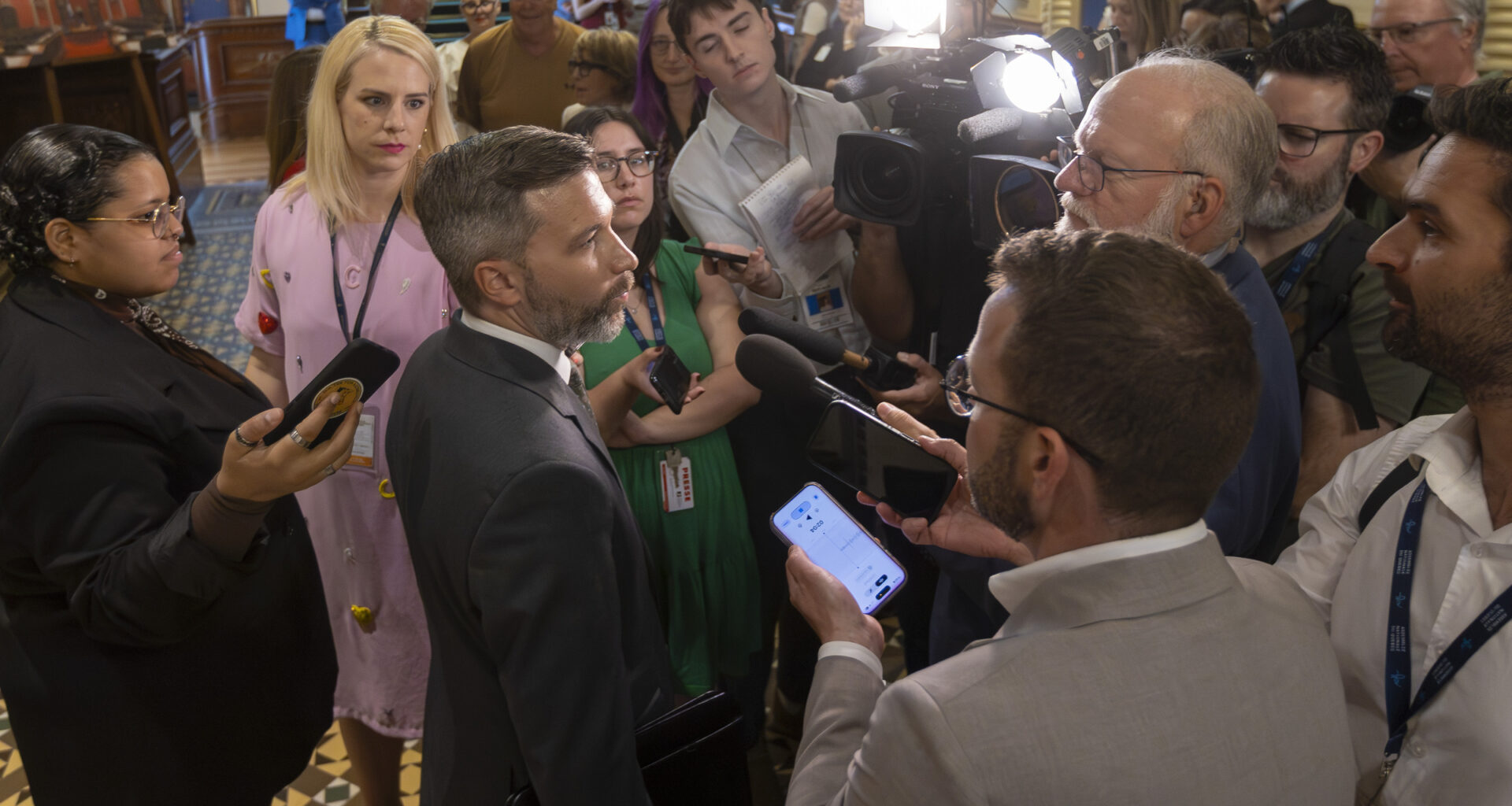
QUEBEC — When the National Assembly adjourned Friday for the last time ahead of October’s election, many parliamentarians were sharpening their swords for what’s expected to be a hard-fought election campaign.
But others were hanging up their skates, offering tearful goodbyes as they prepared their exit from Quebec’s political fray.
In the opposition rows, Québec solidaire’s Gabriel Nadeau-Dubois and Manon Massé were hugging. As the party’s co-spokespeople through the last two elections, the pair had brought the left-wing movement mainstream, winning 10 seats in 2018 and 11 in 2022.
Both have said they won’t run in the coming election.
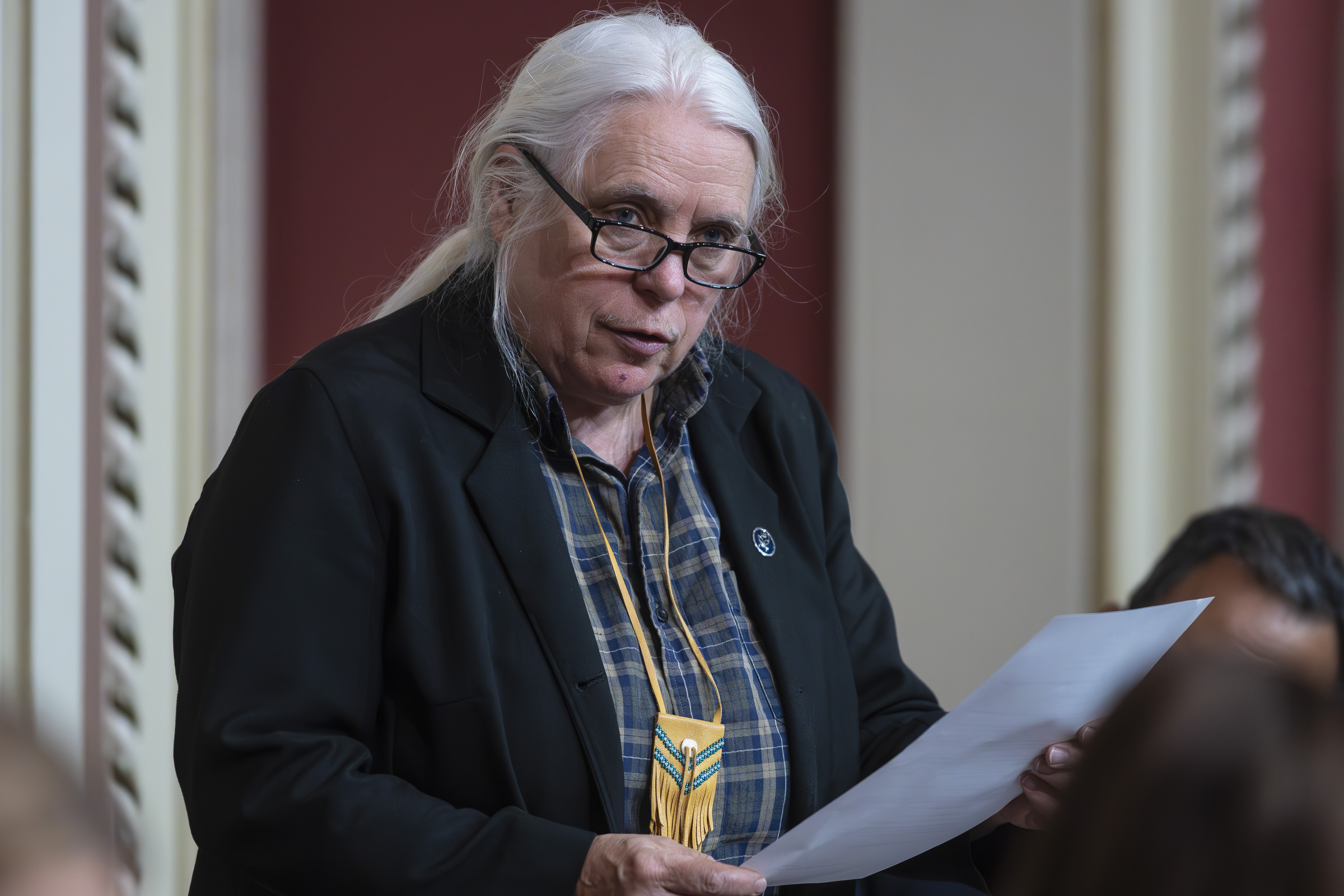 “We made a lot of gains for ordinary people,” says Manon Massé. “That gave me a lot of joy.” Francis Vachon / Postmedia News
“I’ve reached the end,” Massé said in an interview, surrounded by packed boxes in her third-floor office. “I’ve been here 12 years and I’m leaving feeling that I did what I have to do.”
“We made a lot of gains for ordinary people,” she said. “That gave me a lot of joy.”
Much of those gains came in the form of opposing the Coalition Avenir Québec’s agenda, Massé said.
In recent days, the governing CAQ abandoned three bills opposed by Québec solidaire: a widely criticized constitution bill, a housing co-op reform protested by co-op residents, and a bill to accelerate approvals for major projects, which environmental groups critiqued.
But Massé said she was most proud to have advocated for Indigenous people, who she said are rarely considered in the National Assembly. “By walking beside people … I saw how much systemic racism affected them,” she said, arguing that reconciliation still had a long way to go.
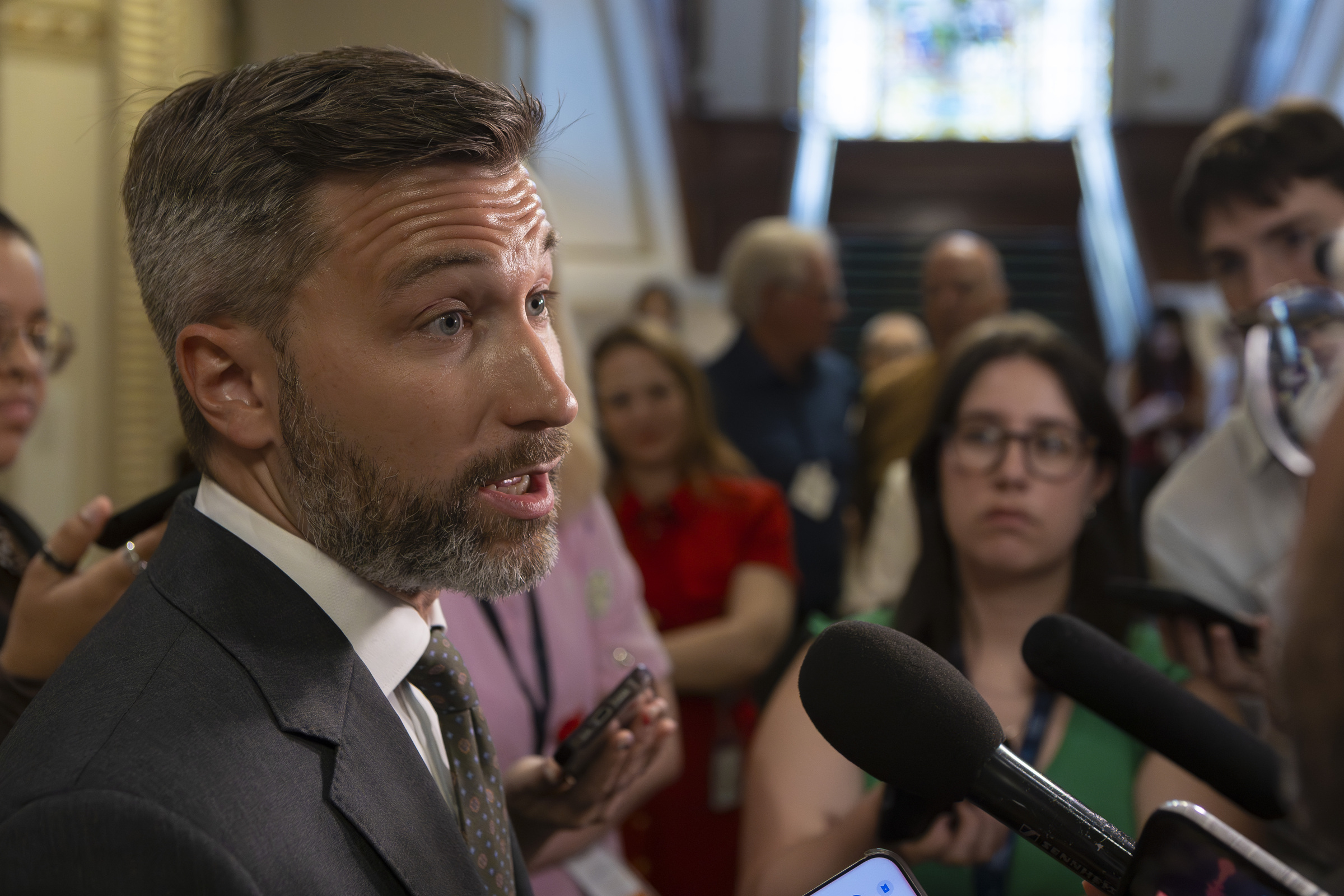 “It’s been quite a ride,” says departing MNA Gabriel Nadeau-Dubois. Francis Vachon / Postmedia News
Nadeau-Dubois said he’d learned a lot from Massé.
“Talk less; listen more” was the biggest lesson, he said. “Having spent time with Manon all those years, she really influenced me.”
Nadeau-Dubois was just 22 in 2012, when he entered the political scene as the head of Quebec’s student movement.
Four years later, former co-spokesperson Françoise David was calling him, asking him to run for the party. “Things went fast for me at that point,” he said. “It’s been quite a ride.”
His biggest accomplishment, he said, was “in getting a lot of people, especially young people, interested in politics.”
As a party founded by activists, some have suggested that Québec solidaire faces a conflict between its activist base and its ambition to form government.
“That tension has always existed in Québec solidaire,” Massé said. “When we were founded, there were people whose objective was that we remain an opposition party … for others, it was to govern as quickly as possible.”
“It’s a healthy tension,” she argued.
Now at the bottom of the polls with 11 per cent support, Massé said she didn’t take the numbers too seriously. Many voters aren’t yet paying attention to the choices in front of them, she said.
Until the election, “I won’t confirm the hypothesis that we are just at 11 per cent.”
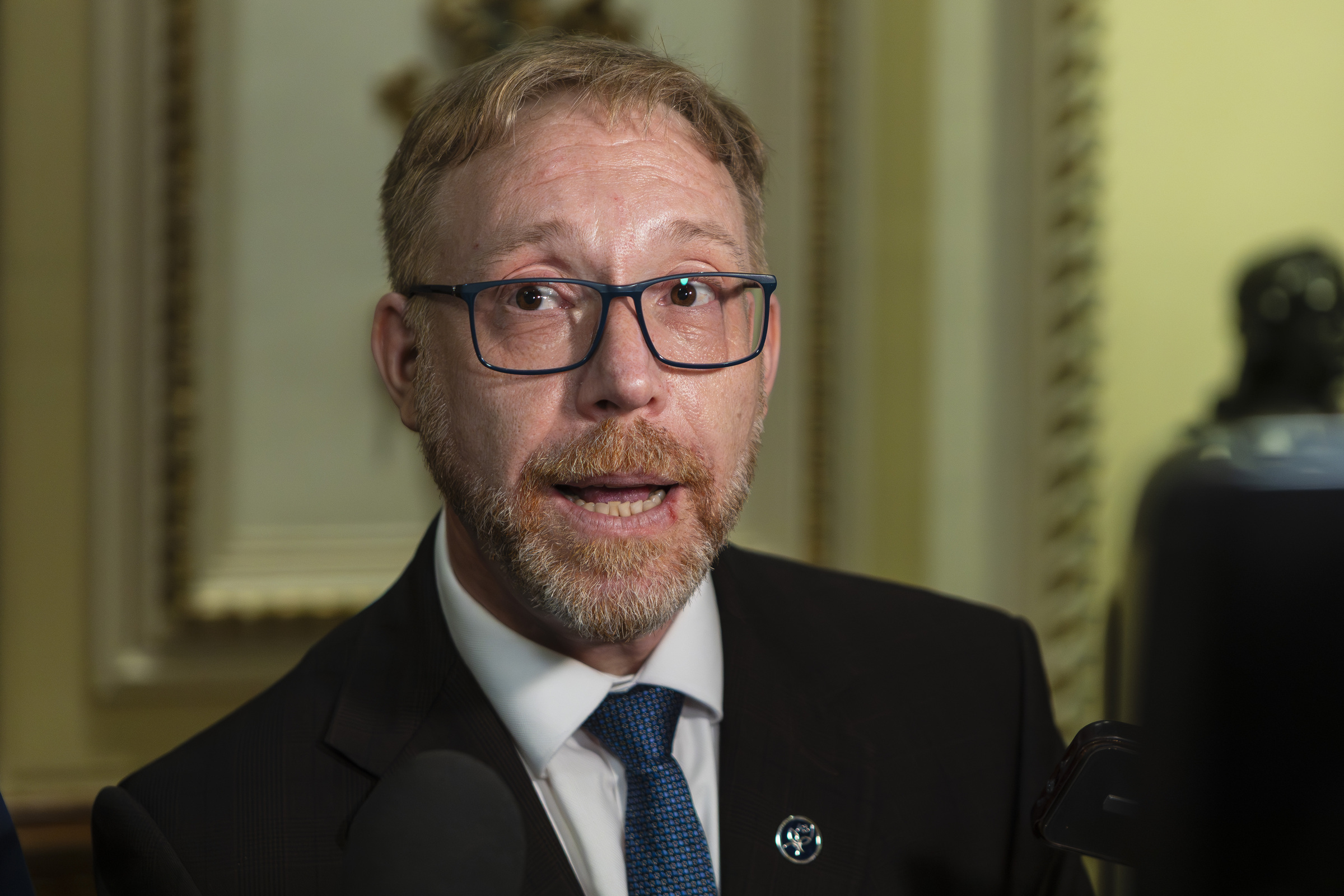 “There have been no free votes in the legislature,” says independent MNA Youri Chassin. “I find that odd.” Francis Vachon / Postmedia News
Parties should loosen their grip: Chassin
Independent MNA Youri Chassin offered his own tearful goodbye Friday, choking up as he thanked fellow legislators for time well spent.
“I love you so much and we will certainly cross paths again in our lives,” he said.
Chassin, who left the CAQ in 2024, had spent recent weeks fighting a one-man crusade against an electoral bill which will override a decision by Quebec’s electoral commission to eliminate a seat in Montreal and the Gaspé.
Chassin’s efforts ultimately failed Friday, when MNAs voted to pass the bill.
But he said he was happy to have prompted a debate.
The MNA had sided with Quebec’s chief electoral officer, who argued that redrawing the electoral map interfered with the independent redistricting agency.
Chassin’s independent status had offered him more freedom than most MNAs, he said. Unbound by a party, he’d been able to decide his own positions.
Without his opposition, Chassin said the elections bill “wouldn’t have raised any eyebrows in society.”
“I didn’t give it a free ride.”
Parties should rethink the roles of their MNAs, Chassin said, arguing legislators should be more free to judge proposals themselves.
“There have been no free votes in the legislature,” he said. “I find that odd.”
Politics ended my relationship: Caire
Former Premier François Legault, while still an MNA, didn’t turn up to the last day of session. Considered the dean of the National Assembly, Legault has held his seat longer than any of his fellow legislators.
Occupying the position of “vice dean” was Éric Caire, a CAQ MNA who joined the National Assembly in 2007.
Like Legault, Caire won’t be on the ballot this October.
Making his final speech, the departing MNA thanked his staff, his kids and his ex for their support.
“It’s thanks to politics that she is my ex,” he said. “But she was still there.”
He also thanked fellow parliamentarians.
“We have debates that can be aggressive,” he said. “But they always respect individuals, always respect institutions.”
“It’s beautiful what we do,” Caire said. “And we do it for the right reasons.”