
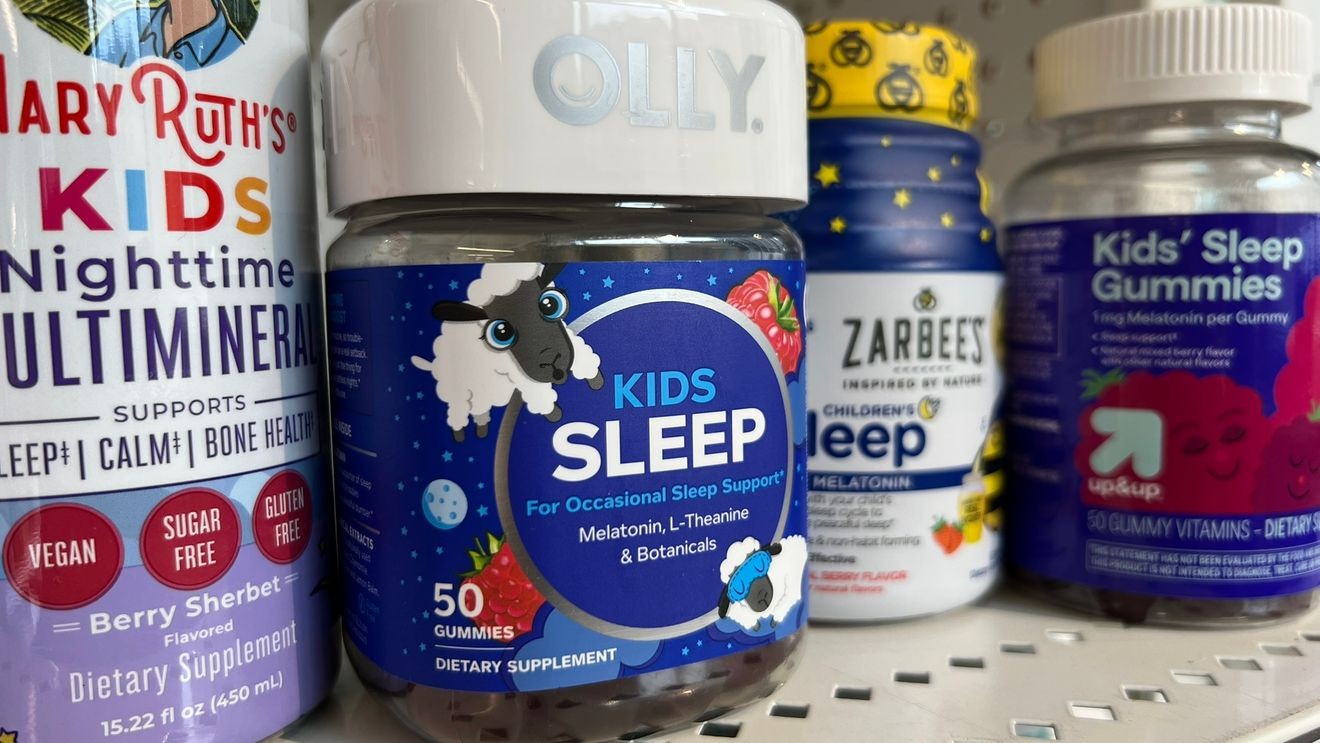
ARLINGTON, Va. (7News) — Millions of Americans take dietary supplements every day, from vitamins and minerals to protein powders and workout aids, hoping to boost their health and wellness.
But health experts say consumers should look beyond the flashy marketing and ask an important question: How do you know what’s actually inside the bottle?
Unlike prescription medications, most dietary supplements are not required to undergo the same rigorous review process before being sold to consumers.
“Supplements are not regulated the same way that prescription medications are,” said Dr. Jennifer Gourdin, a sports medicine physician with Kaiser Permanente. “It’s really important when you’re shopping for supplements that you ask two key questions: Does the supplement contain what the label says it contains, and is there evidence behind the claims being made?”
SEE ALSO | The hidden dangers behind viral supplement trends
Look for third-party certification
One of the best ways to verify a supplement’s quality is to look for independent third-party certification.
Dr. Gourdin recommends products that carry certifications such as NSF Certified for Sport or USP Verified, which indicate the product has undergone testing by an outside organization.
“The first thing is to look for trusted third-party certifications,” she said. “That increases the likelihood that what is being advertised on the label is actually what’s in the product.”
Consumers should also be cautious of vague claims such as “third-party tested” if the manufacturer doesn’t specify who conducted the testing.
“If they don’t have that NSF Certified or USP Verified label, sometimes you have to do your own research,” Gourdin said. “Find out who tested it, what their findings were, and whether multiple organizations have evaluated the product.”
Gummies may not be the best choice
While gummy supplements have surged in popularity, Gourdin says they can present unique challenges.
“Be cautious about supplements provided as a gummy because gummies are difficult to manufacture,” she said.
Research has shown that the key ingredient in supplements can break down during manufacturing or storage, meaning consumers may receive much less of the active ingredient than advertised.
Gourdin points to a recent independent analysis of creatine gummies as an example. Researchers tested six popular creatine gummy products and found that four contained less creatine than advertised. Some products contained little to no creatine.
“The assumption is that the advertised amount may have initially been there, but during manufacturing or storage, it broke down,” Gourdin said. “People were essentially taking fruit snacks instead of the creatine they thought they were getting.”
Be skeptical of big promises
Experts also urge consumers to be wary of supplements promising dramatic or rapid results.
“You want to be skeptical of products that promise quick and dramatic results because that’s probably unlikely,” Gourdin said.
She also advises avoiding products that advertise “mega doses” and instead choosing supplements that align with established dietary recommendations and scientific evidence.
Talk to your doctor before starting a supplement
Because supplement manufacturers are generally not required to prove safety or effectiveness before bringing products to market, Gourdin says that conversations with healthcare providers are critical.
“Manufacturers are not required to prove the safety or effectiveness of their product before the product goes to market,” Gourdin said. “For this reason, you really want to make sure that you do your research and you talk to your doctor.”
A physician can help determine whether a supplement is necessary, whether it could interact with medications, and whether there is evidence supporting its use.
Consider taking a break
Even when a supplement appears safe, Gourdin says consumers should think carefully about long-term use.
“For some supplements, I tell patients to take it for four to six months, see if they get the benefit they’re looking for, and then take a break,” she said.
The reason? Researchers still don’t fully understand the long-term effects of many supplements currently on the market.
“We don’t know what the long-term effects are of taking some of these supplements,” Gourdin said. “That’s why it’s important to have a conversation with your doctor and decide together how long you should be taking them.”
Bottom line
Before adding a supplement to your daily routine, experts recommend:
Looking for trusted third-party certifications such as NSF Certified for Sport or USP Verified.Being cautious of gummy supplements and products with vague testing claims.Avoiding supplements that promise dramatic results.Researching the science behind the product.Talking with your doctor about safety, effectiveness, and how long you should take it.
When it comes to supplements, experts say a little extra research can go a long way toward ensuring you’re getting what you paid for—and protecting your health.