

Listen to this article
Estimated 3 minutes
The audio version of this article is generated by AI-based technology. Mispronunciations can occur. We are working with our partners to continually review and improve the results.
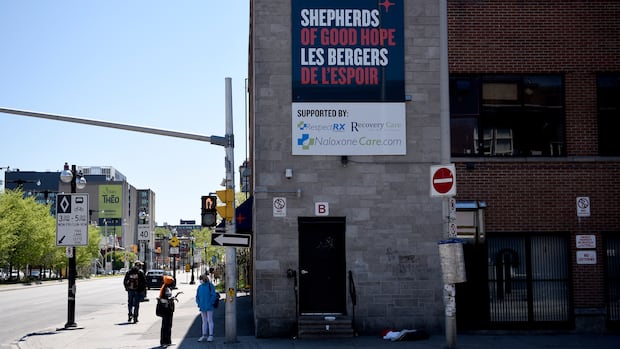
One of the main groups in Ottawa devoted to helping people experiencing homelessness says it will transform one of its emergency shelters into longer-term supportive housing.
Shepherds of Good Hope said Thursday the move toward “a health and supportive housing facility” would better serve its clients.
The not-for-profit currently runs the largest emergency shelter in Ottawa, with up to 270 people sleeping at its King Edward Avenue facility on its busiest nights, the organization said in a news release.
This shelter system was designed to provide short-term help but many people staying there face barriers to finding stable housing and may remain there for years, the organization said.
“We need to change how we support the most marginalized members of our community,” CEO Stephen Bartolo said in the release. “Shepherds is committed to shifting our approach away from managing homelessness to one of prevention and permanent solutions.”
The organization’s vision is to convert the second and third floor of its facility into bachelor units, while revamping the first floor to provide on-site medical and social services.
Mayor Mark Sutcliffe said in the release that the project is “a fundamental shift” in how the city responds to homelessness.
“Expanding supportive housing continues to be one of our top priorities as we work toward ending homelessness,” he said.
‘A new chapter for Lowertown’
Shepherds of Good Hope believes the conversion will benefit Lowertown and the ByWard Market, a view shared by Rideau-Vanier Coun. Stéphanie Plante, whose ward encompasses the area.
The conversion would mark “a new chapter for Lowertown, one focused on housing, stability and long-term solutions,” Plante said in the release.
“The future of homelessness response must include more housing and fewer barriers to getting people home,” she added.
While the conversion could result in a reduction of emergency shelter beds, people were already being turned away from existing facilities, according to Kaite Burkholder Harris, the executive director of Alliance to End Homelessness Ottawa, of which Shepherds of Good Hope is a member.
“If we keep expanding shelter beds … we’re literally investing in maintaining homelessness,” she told CBC.
Too many people had become stuck living in emergency shelters and were unable to get out, and “the longer they stay, the more likely they’re exposed to trauma and all kinds of challenges,” she said.
Shepherds of Good Hope has not yet completed planning for the change, saying it would engage with architects, engineers, partner agencies and “people with lived experience” in the coming year.