
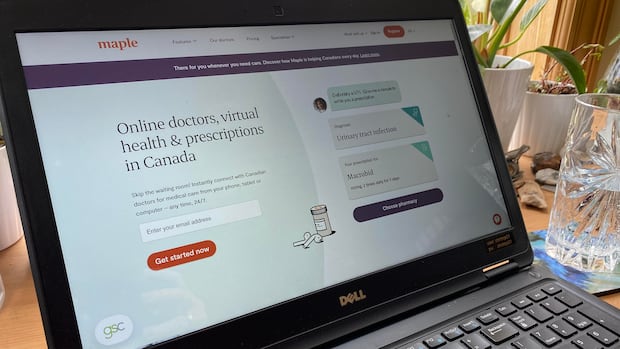

Listen to this article
Estimated 5 minutes
The audio version of this article is generated by AI-based technology. Mispronunciations can occur. We are working with our partners to continually review and improve the results.
The P.E.I. government’s pause on a plan to make virtual health care free for all Islanders has some advocates calling that shift a violation of federal law.
During the 2023 provincial election campaign, the Progressive Conservatives promised to make virtual care free for everyone — not just those who don’t have a family doctor.
Government hasn’t followed through on that promise — last winter, Health P.E.I. decided not to go ahead with any of the proposals from virtual care companies to deliver a free program to Islanders who have a family doctor.
Mary Boyd, chair of the P.E.I. Health Coalition, said the province is violating the Canada Health Act by not following through on that pledge.
“You’re not supposed to have to pay out of pocket for services in this country,” Boyd said.
“That’s wrong because the Canada Health Act does not have room for a two-tier health-care system and it doesn’t have room for people who can afford to pay and jump the queue. Everybody is supposed to have equal access.”
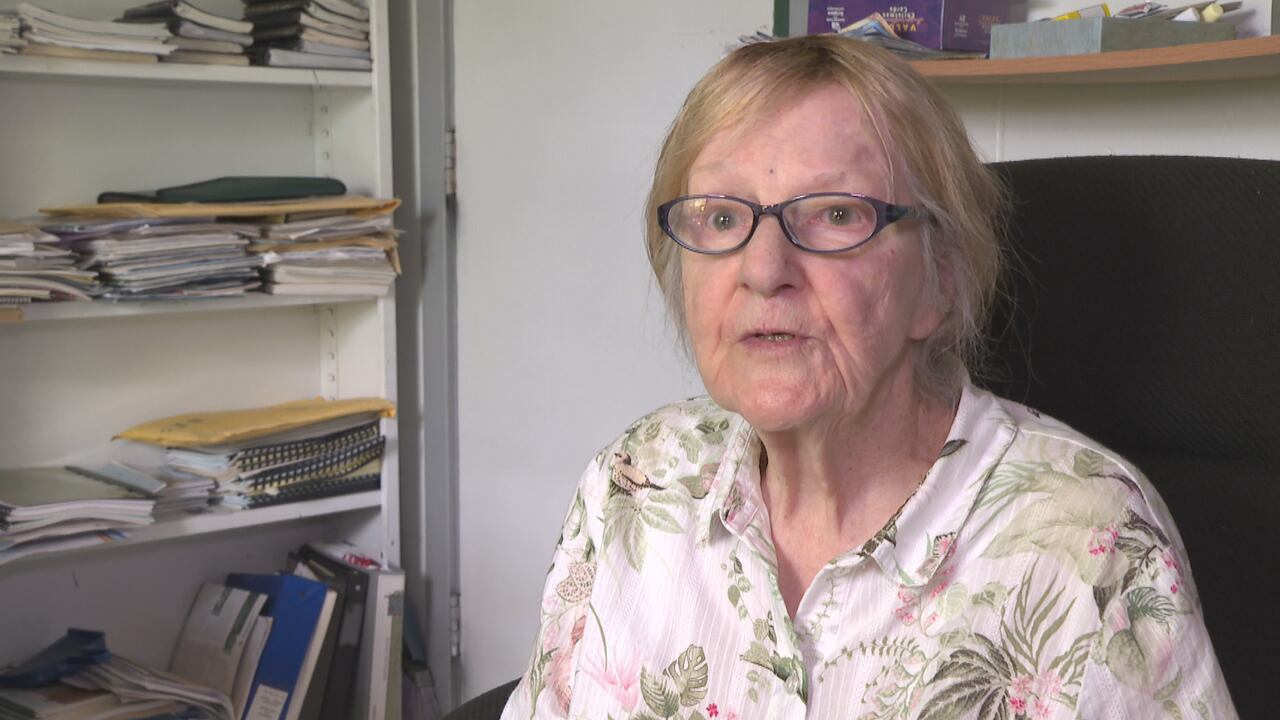 ‘The Canada Health Act does not have room for a two-tier health-care system,’ says Mary Boyd, chair of the P.E.I. Health Coalition. (Steve Bruce/CBC)
Despite not having a family doctor, Boyd said she doesn’t use Maple, the program funded by the province that provides free virtual care to the 35,000 Islanders who don’t have a primary care provider.
People who have a doctor and use Maple need to provide payment or get coverage through private work insurance.
Boyd said she would like to see the service extended to everyone.
“We don’t have to hire private companies and corporations. We can build our own public virtual care,” she said.
“We will have a system that people will have access to when they need it and it will be free of charge. They just have to take out their health card.”
The P.E.I. government has funded Maple’s services for Islanders without a family doctor since 2020.
The company’s CEO previously told CBC News that accepting payments for virtual care does not violate the Canada Health Act because Maple mostly uses nurse practitioners for Islanders paying out of pocket. The Canada Health Act states that medically necessary care provided by doctors has to be publicly insured.
But on April 1, the federal government changed those rules to now include nurse practitioners and anyone who may be providing the same care.
Steven Staples, national director of policy and advocacy with the Canadian Health Coalition, said that change should have been the end of private virtual care.
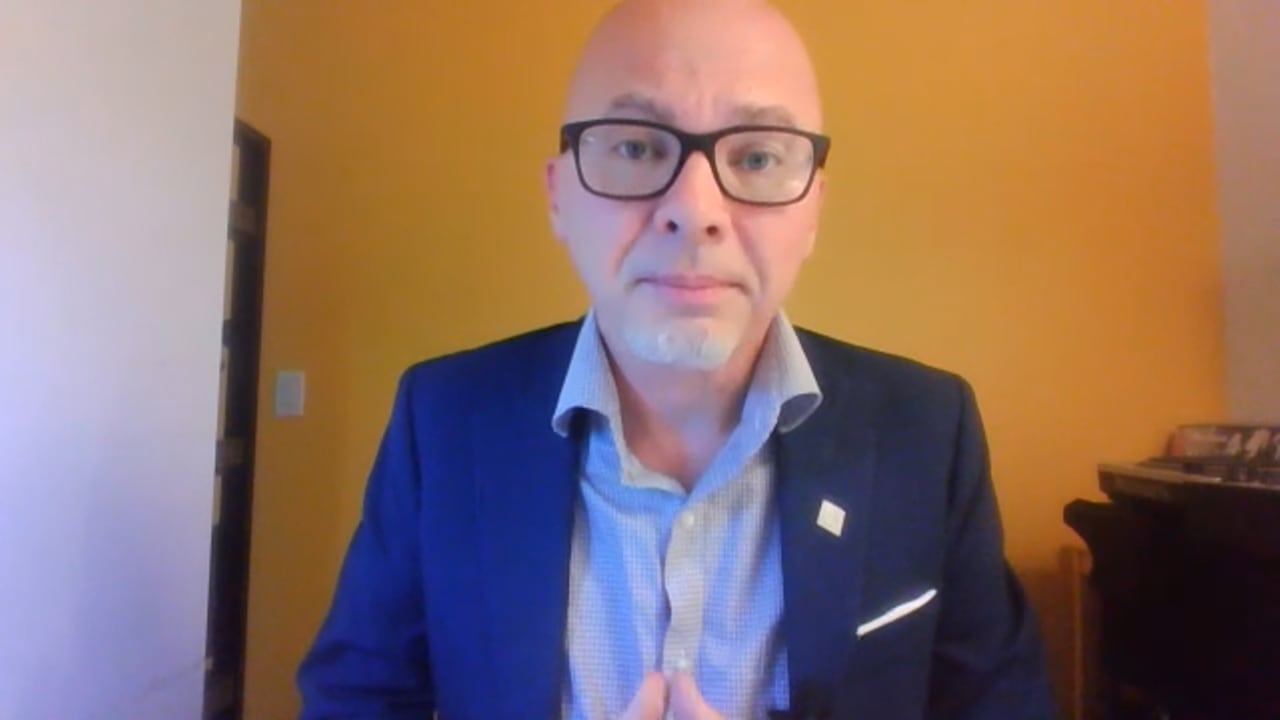 Steven Staples, national director of policy and advocacy with the Canadian Health Coalition, say a change to federal policy earlier this year should have meant the end of private virtual care. (Zoom)
“The provinces had lots of time, over a year, to bring this in, and so there’s really no excuse for any province, including Prince Edward Island, to not have implemented this important policy,” he said.
Ottawa will start enforcing the new rules in December 2028. If provinces are found to be breaking them, federal transfer payments could be affected.
In a statement, officials with Health Canada didn’t provide any more clarity on how the federal government will apply its rules to virtual care.
“The policy does not explicitly include virtual care services provided by nurse practitioners, or services that are not considered medically necessary under the [Canada Health Act],” the statement reads.
“[Provincial and territorial governments] have the flexibility to decide how best to fully integrate virtual care to deliver insured services provided by nurse practitioners into their health-care systems as insured services.”
Virtual care by nurse practitioners ‘should be covered’
CBC asked Maple if the CEO’s comments from 2023 still apply, and whether people in P.E.I. who are not part of the unaffiliated virtual care program are still only connected with nurse practitioners and not doctors.
“In P.E.I., individuals using Maple outside of the province’s publicly funded unaffiliated virtual care program can connect with a Canadian-licensed physician or nurse practitioner, depending on the care pathway and provider availability,” the statement reads, in part.
“At this stage, it would be premature to speculate on how future provincial decisions on implementation may impact specific virtual care delivery models. Maple respects the province’s decisions regarding publicly funded care delivery and provider participation. Like the province, our goal is to help P.E.I. residents access timely care.”
P.E.I.’s Department of Health and Wellness said in a statement that it’s working to meet the federal government’s requirements.
“Prince Edward Island is committed to ensuring the accessibility of medically necessary services for residents in accordance with the Canada Health Act,” the statement reads.
“The province continues to monitor federal guidance related to virtual care and will adjust provincial policies as needed to ensure ongoing compliance while improving access to care for Islanders.”
But Staples said the province should have already implemented the change.
“I suspect there’s not really any grey room with what nurse practitioners are doing. I think it’s pretty clear that those are considered physician-equivalent services that are medically necessary and should be covered,” he said.
“What we’re talking about is getting prescriptions filled, getting referrals done. That is run-of-the-mill, standard, uncontroversial, primary, medically necessary care.”