

Listen to this article
Estimated 3 minutes
The audio version of this article is generated by AI-based technology. Mispronunciations can occur. We are working with our partners to continually review and improve the results.
On this week’s episode of Quirks & Quarks with Bob McDonald:
Quirks and Quarks54:00Great white sharks in hot water, and more…
Big fish, small fish, hot fish, cold fish — a cautionary tale in a changing climate
Quirks and Quarks8:58Big fish, small fish, hot fish, cold fish — a cautionary tale in a changing climate
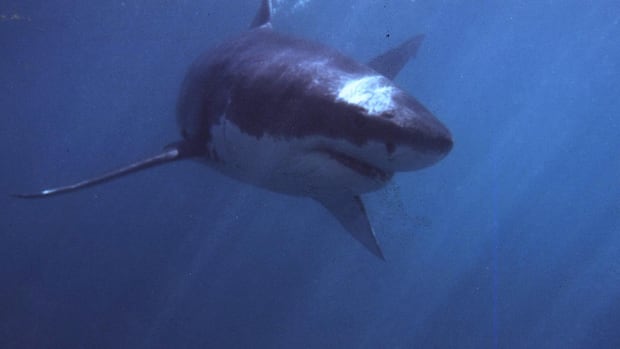
Some of the oceans biggest, most powerful predators, like certain sharks and tuna, are “mesothermic” or warm-bodied. Running hot allows them to rapidly convert their food to energy and heat, helping them swim faster and hunt in cold waters. But that advantage may become a disadvantage in a warming climate, meaning these fish need to find new ways of cooling off, or face a new threat to their survival. Nicholas Payne is a zoologist at Trinity College Dublin. He led the study that was published in the journal Science.
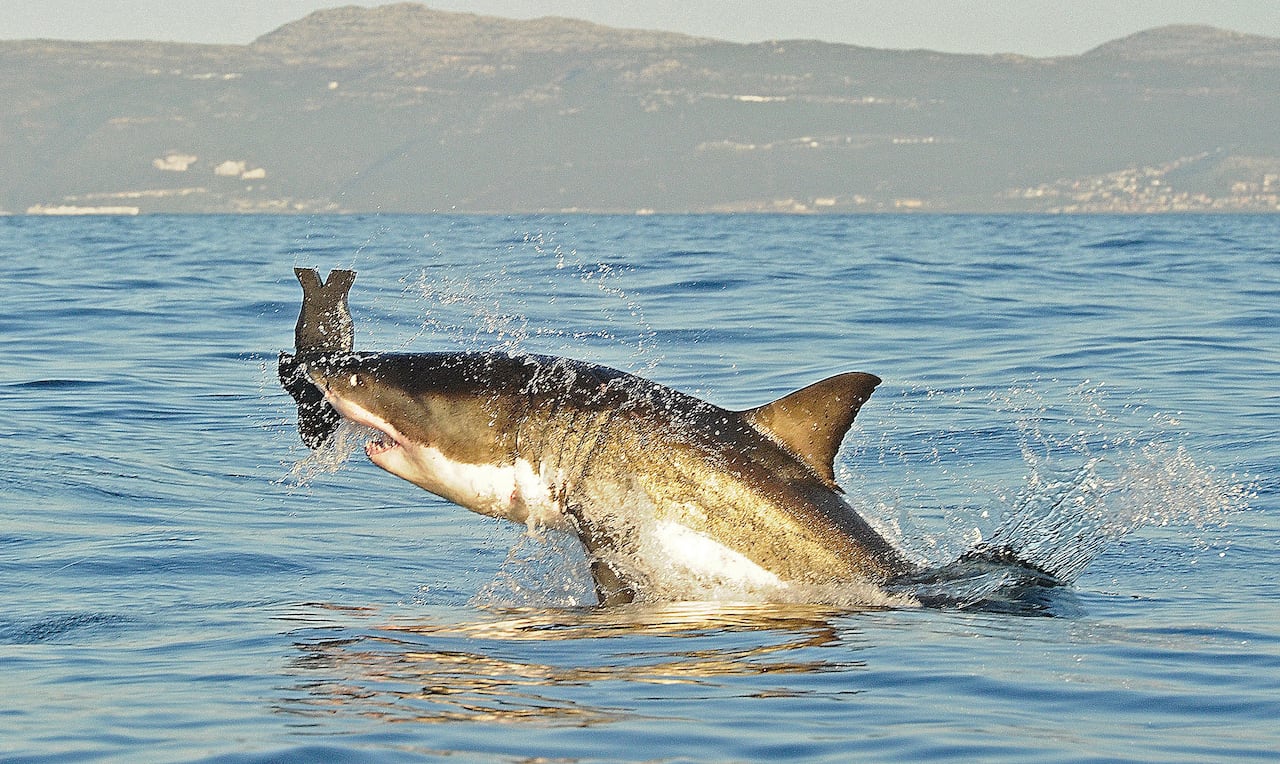 Great white sharks belong to a rare type of warm-bodied fish that can rapidly convert their food to energy and heat, helping them swim and hunt faster in cold waters. (Carl De Souza/AFP/Getty Images)Ancient Peruvians traded parrots across deserts and mountains
Quirks and Quarks8:07Ancient Peruvians traded parrots across deserts and mountains
Parrots are prized for their vibrant, brightly coloured feathers, ranging from emerald greens to fiery reds and brilliant blues. Humans go to great lengths to possess these birds — even in ancient times, according to a recent study. Researchers studying a 600- to 1,000-year-old tomb in coastal Peru uncovered a complex parrot-trading network that stretched from the Amazon to the Pacific coast, well before the rise of the Incan Empire. Izumi Shimada, an anthropologist at Southern Illinois University, and his colleagues published their research in Nature Communications.
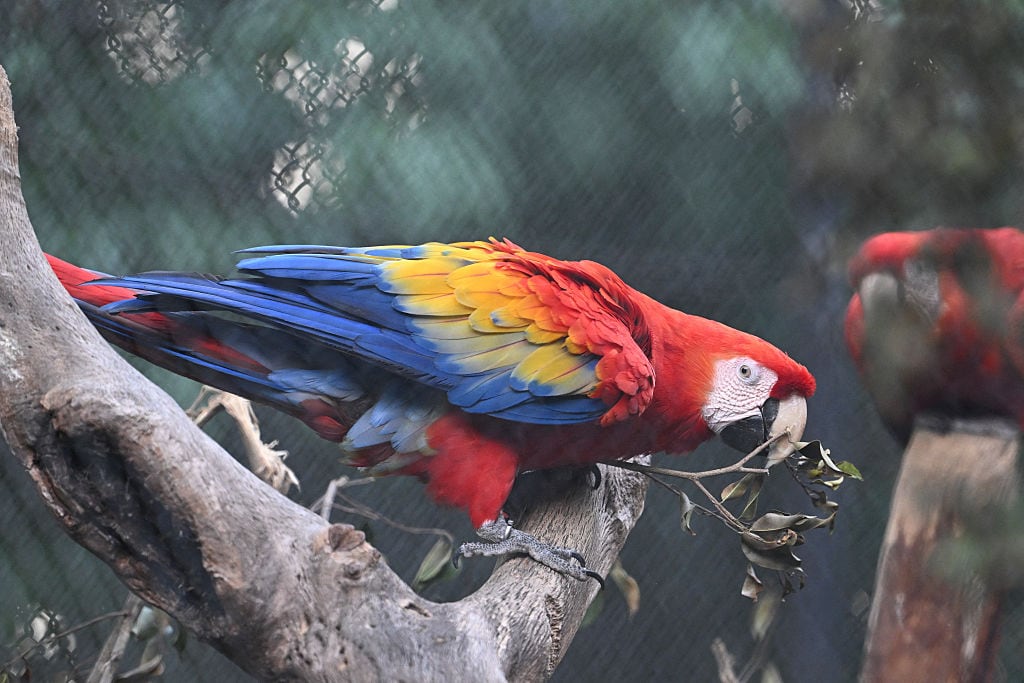 A team excavating an ancient burial chamber on the coast of Peru found parrot feathers on ceremonial headdress — and they came from birds like the scarlet macaw, pictured here, even though the birds live on the other side of the Andes. A new study points to an ancient parrot-trading network stretching from the Amazon to the Pacific coast. (Johan Ordonez/AFP/Getty Images)From the archive: David, Jay and Bob, and Quirks & Quarks’ origin story
Quirks and Quarks6:30From the archive: David, Jay and Bob, and Quirks & Quarks’ origin story
We’re wrapping up our tour through 50 years of Quirks & Quarks shows, and have saved one of the best pieces from the archive for last. In 1995, at the 20th anniversary celebration at Glenn Gould Studio in Toronto, David Suzuki, Jay Ingram and Bob McDonald stepped on stage and reflected on the show’s origins.
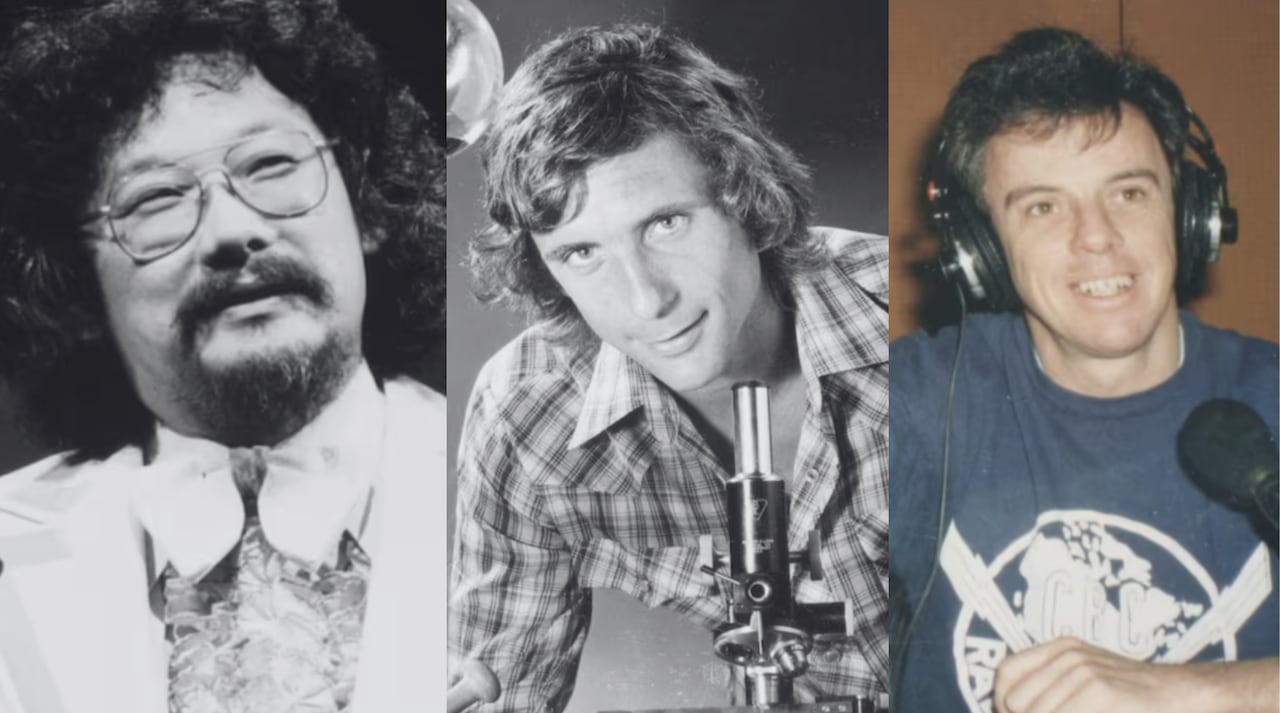 Quirks & Quarks hosts through the years. From left, David Suzuki (1975-79), Jay Ingram (1979-91) and Bob McDonald (1992-present). (CBC)Sea cucumber ‘zombie tissue’ straddles the line between life and death
Quirks and Quarks9:11Sea cucumber ‘zombie tissue’ straddles the line between life and death
Marine biologists at Memorial University were studying sea cucumbers in the lab when they noticed something odd: a torn bit of the cuke’s tissue wasn’t dying. It even seemed to be growing. “Zombie tissues,” are how the scientists now affectionately refer to them. Even when amputated, they continue to live, and may even be immortal. Sara Jobson, a PhD candidate in marine biology, published the findings in Science Advances.
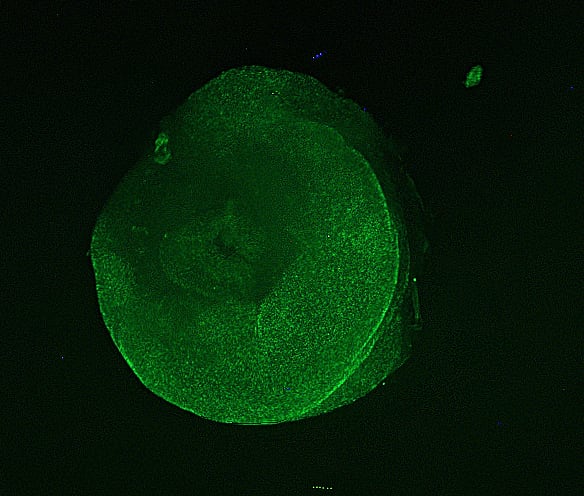 Microscopy image of the excised tube foot of a sea cucumber. (Sara Jobson, Memorial University)Dream engineering may help you solve problems in your sleep
Quirks and Quarks18:45Dream engineering may help you solve problems in your sleep
New research suggests that dreams are not as random or meaningless as they might seem. What you dream about at night is highly influenced by what you think about during the day. A four-year-long study captured the dreams of people during COVID lockdowns and afterwards, and found how changes in people’s daily lives were reflected in their dreams.
In a separate study, researchers set out to determine if “sleeping on it” can solve problems. It’s the idea that your subconscious mind will work away on a puzzle while you dream, leaving you with an insight when you wake. Dream engineering is a subfield of dream research about manipulating people’s lucid dreams, so you can learn more about them.
We spoke with:
 A visitor tours the exhibition ‘Machine Dreams: Rainforest’ at Dataland, the world’s first museum of AI arts, in Los Angeles. (Mario Tama/Getty Images)