
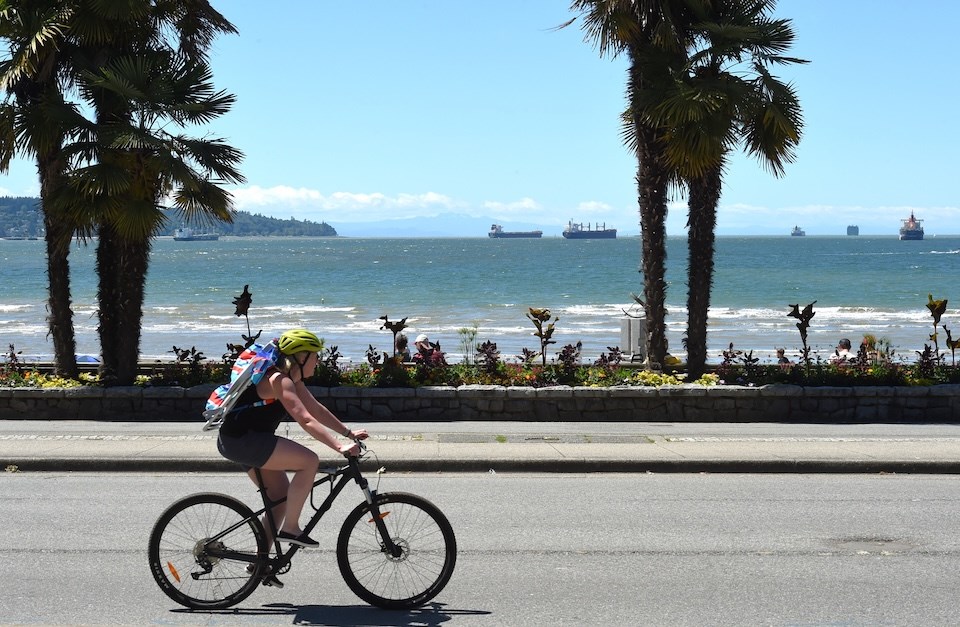
Astronomical summer starts June 21, but there was another seasonal marker earlier this month.
There are two starts to summer in Metro Vancouver (and many other places, to be fair).
Environment Canada uses June 1 as the start of summer, which is the meteorological summer in the Northern Hemisphere, and it runs through Aug. 31.
For folks in the Southern Hemisphere, meteorological summer starts on Dec. 1 and runs through Feb. 28.
The other “start” of summer aligns with the longest day of the year in the Northern Hemisphere: the summer solstice. Astronomical summer starts June 21 and runs through Sept. 22.
The summer solstice and winter solstice are opposites, with the latter marking the year’s shortest day (or longest night).
Metro Vancouver weather: Which way of looking at ‘summer’ is correct?
There isn’t a correct way to talk about summer in Metro Vancouver — it simply depends on which metric you’re using.
And heat domes may happen at various times through the year, preceding the start of either summer metric.
The notorious 2021 heat dome, B.C.’s most deadly weather event, happened after the start of both summers. But severe heat can sear in May or linger into September, although it’s less likely.
Similarly, extreme cold can happen after winter officially wraps up, although it tends to be less severe.
Watch my TikTok about the two starts to summer
@vancouverisawesome Did you know there are two starts to summer? Reporter Elana Shepert breaks down the difference between the meteorological and astronomical dates. #weather #vancouver #vancouverisawesome ♬ original sound – Vancouver Is Awesome