
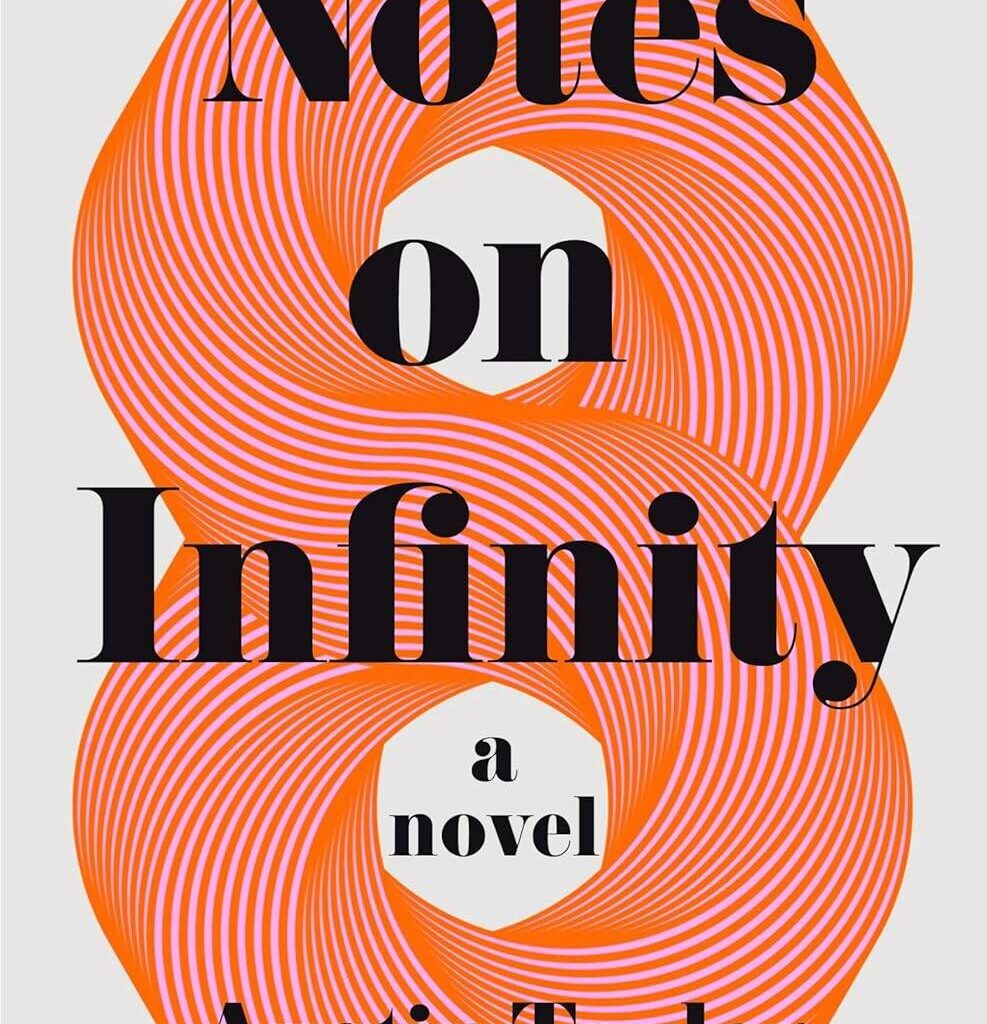
Toward the end of the poem The Epic of Gilgamesh, the brilliant, demagogic protagonist dives down to the “Ocean Below” to retrieve the “Plant of Heartbeat” that will turn him young again. Gilgamesh’s best friend, the hero Enkidu, has died — not in the glory of battle, but of mundane illness.
Faced with a mirror of his own ordinariness, Gilgamesh flees to the edge of the world in search of eternal life. Briefly, his quest succeeds. But on his way home, he takes a nap and a snake steals his plant. While his greatness takes him pretty far toward immortality, his everyday humanity — the need to sleep — asserts itself.
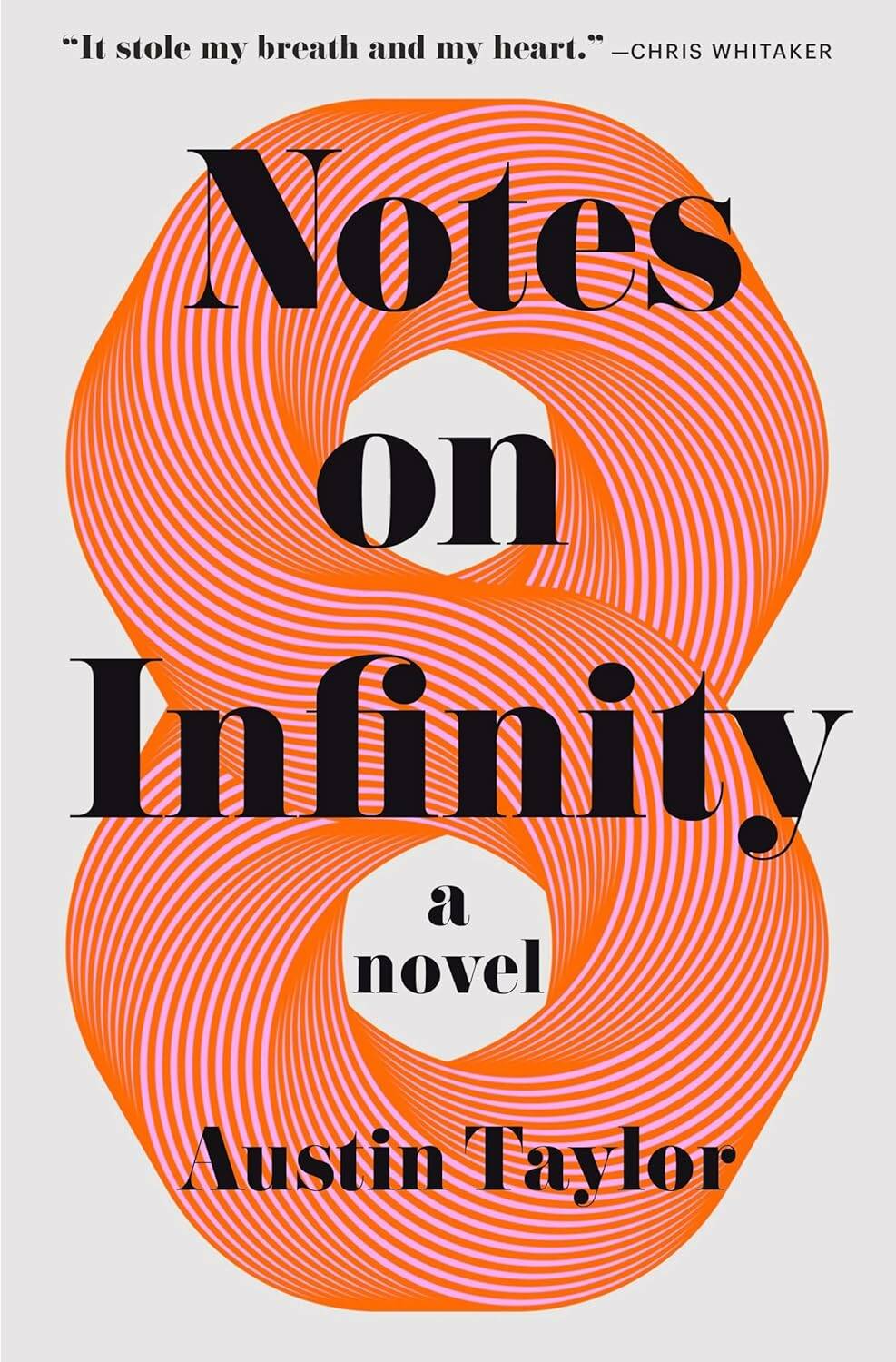
American novelist Austin Taylor makes frequent reference to Gilgamesh in her debut, Notes on Infinity, which explores contemporary biotech’s obsession with extending life. Taylor graduated from Harvard in 2021, majoring in chemistry and English, but she’s from central Maine. Notes on Infinity, inspired by her time at the Ivy League school, captures the wonder and alienation felt by anyone outside the centre of scientific power who one day finds themselves there.
Noes on Infinity
Set largely on Harvard’s campus, and then in Boston on Kendall Square around MIT, this energetic, observant novel follows the rise and fall of young chemistry students Zoe and Jack, who from the moment they meet form an intense bond rooted in shared brilliance.
The child of a respected MIT professor, Zoe, like Gilgamesh, is ingenious, gorgeous and dissatisfied and striving — in her case, after growing up in the shadows of masculine excellence, her father’s and her brother’s. When she meets shaggy-haired, working-class Jack, she discovers not only an intellectual equal, but someone just as hungry.
The two start as competitors and then become inseparable partners on a quest to do what has never been done before: reverse aging. Taylor sweeps up her characters in a well-rendered, exhilarating wave of money and fame, and then brings it all crashing down.
Taylor beautifully conveys the excitement of intellectual delight. “There was no greater joy than to be consumed by such an obsession, to be successful in inquiry, to stretch the mind to its fullest extent in service of understanding a problem no person had ever understood before,” she writes.
She also beautifully conveys the danger of living in abstract “greatness.” Zoe and Jack are so immersed in their rapidly growing project, there is much they don’t know about each other. “They’d skipped all of that to get to the deep stuff, like, How does your mind work and What do you believe in, and it’d be ridiculous to go back now.”
For the most part Taylor’s novel stays close to Zoe’s perspective and its focus on the luminous Jack. However, in a move that offers the same narrative satisfaction as seeing a mystery solved, the end of the novel shifts into Jack’s perspective, which takes place in rural Maine. Here Taylor’s exploration of class, one of the novel’s core themes, becomes more grounded. Rather than reversing aging, Taylor suggests, the real quest is knowing another person.
Taylor revives Gilgamesh’s wisdom in a smart, propulsive novel that feels very present. Think of our own “immortalists,” like billionaires Jeff Bezos and Peter Thiel, who invest millions in longevity start-ups and non-profits such as Altos Labs and The Methuselah Foundation.
It can be tempting to glory in the fall of those who venture so high, but Taylor’s treatment of her characters is deeply sympathetic.
Despite their ambition and brilliance, Zoe and Jack are just regular people. This is what makes them fascinating.
Seyward Goodhand is a Winnipeg writer and instructor.