

Listen to this article
Estimated 3 minutes
The audio version of this article is generated by AI-based technology. Mispronunciations can occur. We are working with our partners to continually review and improve the results.
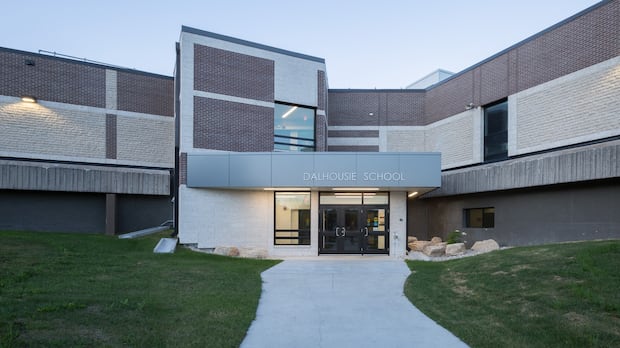
Winnipeg’s Dalhousie School is changing its name to better reflect the diversity of its students — and distance itself from associations to a historical figure who was pro-slavery.
Pembina Trails School Division announced Wednesday the kindergarten to Grade 5 school will be renamed Aniibiminan School after a series of consultations, including with Indigenous language and knowledge keepers.
The Anishinaabemowin word meaning “summer berries” was among about 55 names submitted by the public after Pembina Trails asked for suggestions last month, the division said. The word “Pembina” comes from “Aniibiminan,” it said.
Assistant superintendent Tori Patzer said Wednesday it all began after the school’s leadership decided to take a deep look at the name’s history.
The school was named after the street where it was built, Dalhousie Drive. The street was named after Nova Scotia’s Dalhousie University as part of a Fort Richmond custom of naming streets after universities, Pembina Trails said.
Dalhousie’s founder, Lord Dalhousie, was known to be pro-slavery and called Black refugees who fled to Canada during and after the War of 1812 “slaves by habit and education.”
A 2019 report by a university panel found that, as governor of Nova Scotia, he enacted policies ensuring black people were marginalized. The panel made several recommendations to address the university’s racist history, though it stopped short of suggesting a name change.
“It was in the discovery of the history of the name that the community moved forwards,” Patzer said.
“We want all kids to feel connected to their own culture and their own identity and see themselves in school.”
More than 35 languages are spoken at the school, Patzer said.
What’s in a name?
As part of the historical examination, students took part in what ended up being a community-wide inquiry into what’s in a name.
Acting principal Evi Klostermaier said each classroom worked on name-related projects, from younger kids exploring the spellings of their own names to Grade 5 students evaluating what names are changed and why those changes are significant.
“We invited community members at the very beginning of September to share with us their process of naming their children and how their traditions and stories came about,” Klostermaier said.
“We introduced a book, called What’s Your Name?, so that each child could understand the power and significance of names and what names could represent.”
The division said the process to change the name, from updating signage to school materials, will take place in the coming months.
Jane Rowland, who’s taking over the role of principal in September — said that also includes coming up with iconography that matches the new name.
“The community has come up with a beautiful name, and it really represents the joy, the diversity of this school,” she said.