
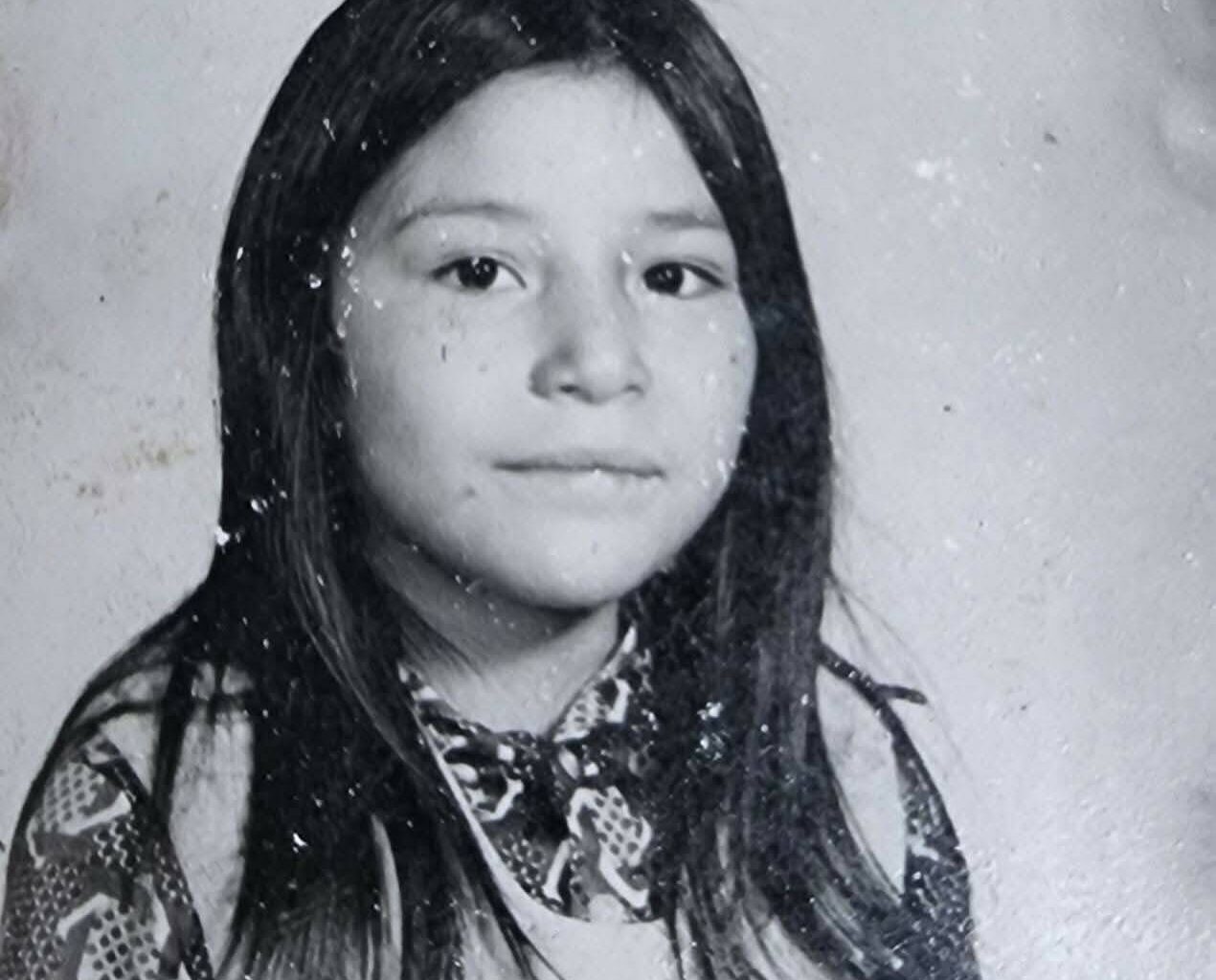
Nearly 38 years after she went missing, police are again pleading for information about the disappearance of a 15-year-old Pauingassi First Nation girl.
Betsy Rosa Owens went to a school dance with her friends in the community on Oct. 23, 1988, and was seen leaving against her will with a group of people, an RCMP news release said Thursday.
She was taken to a residence and never seen again. Police believe she was murdered and her body has never been found.
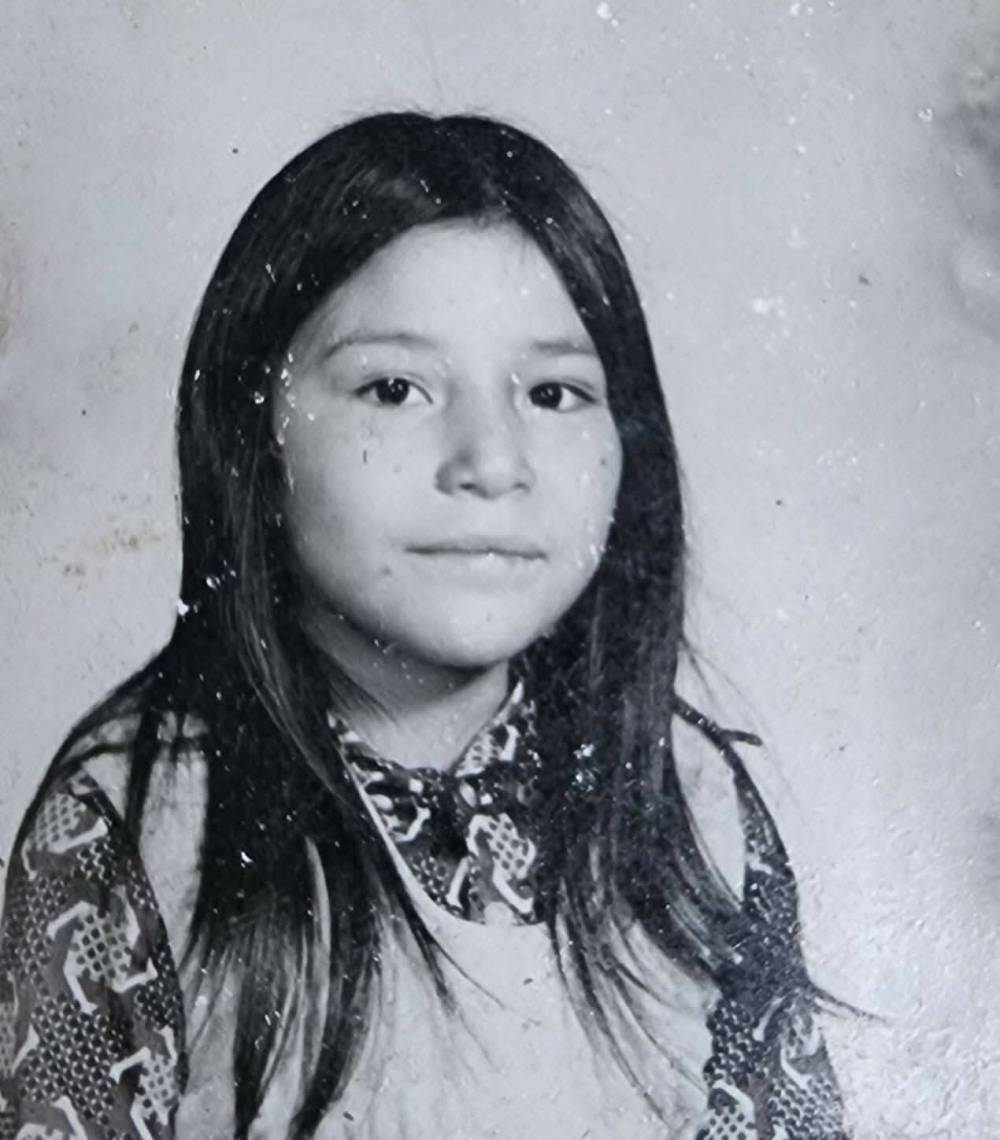
RCMP
Betsy Rosa Owens was last seen at a school dance in Pauingassi First Nation on Oct. 23, 1988.
RCMP have recently travelled to Pauingassi, located about 280 kilometres northeast of Winnipeg, to continue the investigation, which has remained active over the years.
Police believe the person responsible for Betsy’s death is from the community of approximately 700 people.
“It’s such a tight-knit community and people, I believe, know exactly what happened to Betsy but are too afraid to talk,” RCMP Const. Shaylyn Brazier says in a video posted on the force’s YouTube channel.
The video includes comments from Pauingassi residents, a former area chief and Betsy’s sister, who seek closure.
“I’ve spent nearly my whole life without my sister,” Sally Owens said in the release. “All I want is to bring Betsy home so she can rest with our family. If you know something — anything — please come forward. It’s never too late.”
She is the last-surviving member of the family and said her father forgave the “people who did this.”
Lac du Bonnet RCMP called off the search for Betsy about a week after she went missing.
“I don’t think she’s alive because she’s been lost for so long,” her father David Owens, told the Free Press at the time through an Ojibway interpreter. “But we’re still optimistic.”
A 1996 Free Press story reported veteran Mounties said the case was one of the most frustrating they’d ever seen, noting members of the community would either clam up when questioned or throw out wild accusations.
Winnipeg Free Press | Newsletter

“I’ve never seen anything this strange before,” Const. Gabe Roulette said at the time. “When we start asking questions, it’s like someone closes a zipper over their mouths.
“Then, other times, they won’t stop talking, but it’s all wrong.”
Brazier said over the years the willingness for people to come forward has changed, noting Mounties have continued to receive “new and important information and evidence” from the community.
The video ends with the words: “Silence protects no one.”
Police asked anyone with information — even if it seems insignificant — to contact the Manitoba RCMP historical case unit tip line at 204-984-5604.