

Listen to this article
Estimated 3 minutes
The audio version of this article is generated by AI-based technology. Mispronunciations can occur. We are working with our partners to continually review and improve the results.
A proposed liquefied petroleum gas (LPG) export facility at the Port of Prince Rupert has entered the federal review process, with the Impact Assessment Agency of Canada saying it is inviting public feedback.
Trigon is proposing a liquefied petroleum gas storage facility where the fuel would be loaded on ships for export.
If approved, the proposed facility would have the capacity to export about 28 to 30 million barrels of LPG per year and is expected to operate for at least 50 years.
Trigon is partially owned by AMCI Group, Riverstone Holdings LLC, the Lax Kw’alaams Band and the Metlakatla First Nation, according to project documents.
According to the initial project description, it would include building up to 20 rail unloading racks to receive LPG, including propane and butane. The estimated cost for the project is over $750 million, Trigon said in a press release.
The material would be stored in tanks with a capacity of up to 158,000 cubic metres before being shipped to global markets. Existing infrastructure will also be used.
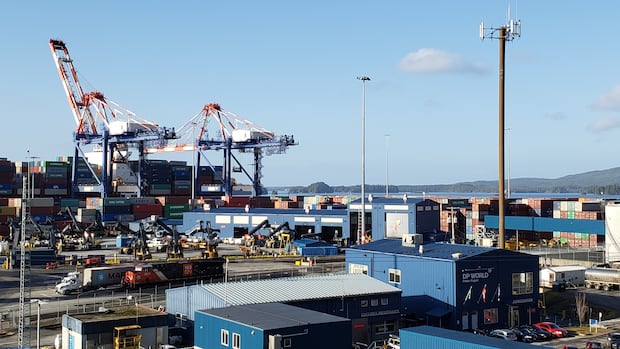
The project will be located on repurposed industrial land within Trigon’s existing terminal area. LPG will be loaded onto vessels using existing marine infrastructure, including the company’s berth and loading systems.
The project is expected to create up to 250 jobs during peak construction and about 40 permanent operational jobs once it’s up and running, project documents said.
Additional indirect employment and economic activity in things like transportation, rail, trucking, equipment supply and logistics is also expected.
Consultation with Indigenous communities
Trigon says it has been engaging with six Tsimshian communities since 2024.
“Trigon is committed to ensuring these local Indigenous Nations have a direct voice and active involvement in the Project,” said the company in project documents.
“Feedback gathered during ongoing engagement will be used to shape the final project scope and inform the federal Impact Assessment process.”
Potential issues identified for consideration include increased rail traffic along the Smithers-Prince Rupert corridor, marine shipping activity, and land and marine safety concerns, according to project documents.
Marine safety, environmental effects and emergency preparedness are all expected to be main points raised during the comment period.
Feedback from the public will help determine whether the project requires a full federal impact assessment, a process that examines possible environmental, social, health and economic effects of a proposal before it can move forward.
July 24 is the deadline to submit comments.