

Listen to this article
Estimated 3 minutes
The audio version of this article is generated by AI-based technology. Mispronunciations can occur. We are working with our partners to continually review and improve the results.
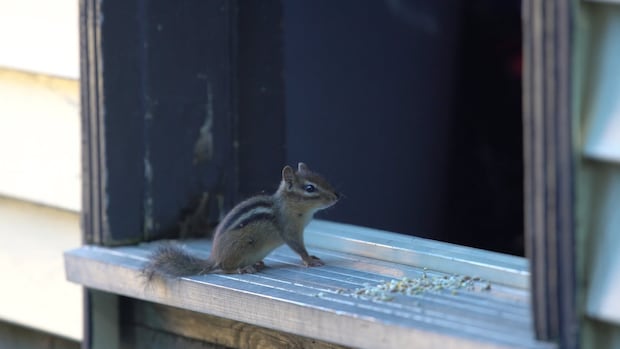
Chipmunks have been around Ojibway Park for years, but seeing them east of the Herb Gray Parkway used to be unheard of — until recently.
“I have seen them twice,” Soniya Khan said. “They’re very cute.”
In her 15 years living in South Windsor, Khan said she saw the striped creatures rarely. The teen said she had spotted one near Cabana Road, which is just east of the parkway. In nature groups on social media, people have reported seeing them in a wooded area called the Oakwood Bush.
The Herb Gray Parkway was built more than a decade ago, and included eco-crossings, massive grassy overpasses covering the many lanes of truck traffic. Experts believe chipmunks may be using them to expand their range. They are now making their way slowly but surely into the neighbouring streets.
 Jeff Bowman, research scientist at the wildlife research and monitoring section of Ontario Ministry of Natural Resources, says chipmunks’ abundance at Ojibway Park and the availability of more local food sources nearby could be why the little creatures are spreading to other pockets in Windsor. (Submitted by Jeff Bowman)
Jeff Bowman, research scientist at the wildlife research and monitoring section of the Ontario Ministry of Natural Resources, said these creatures quite possibly crossed the parkway.
“That’s the purpose of a parkway like that, so it wouldn’t surprise me if there were some chipmunks that crossed it,” he said. They’re quite capable of dispersing far distances and dealing with a lot of anthropogenic structures.”
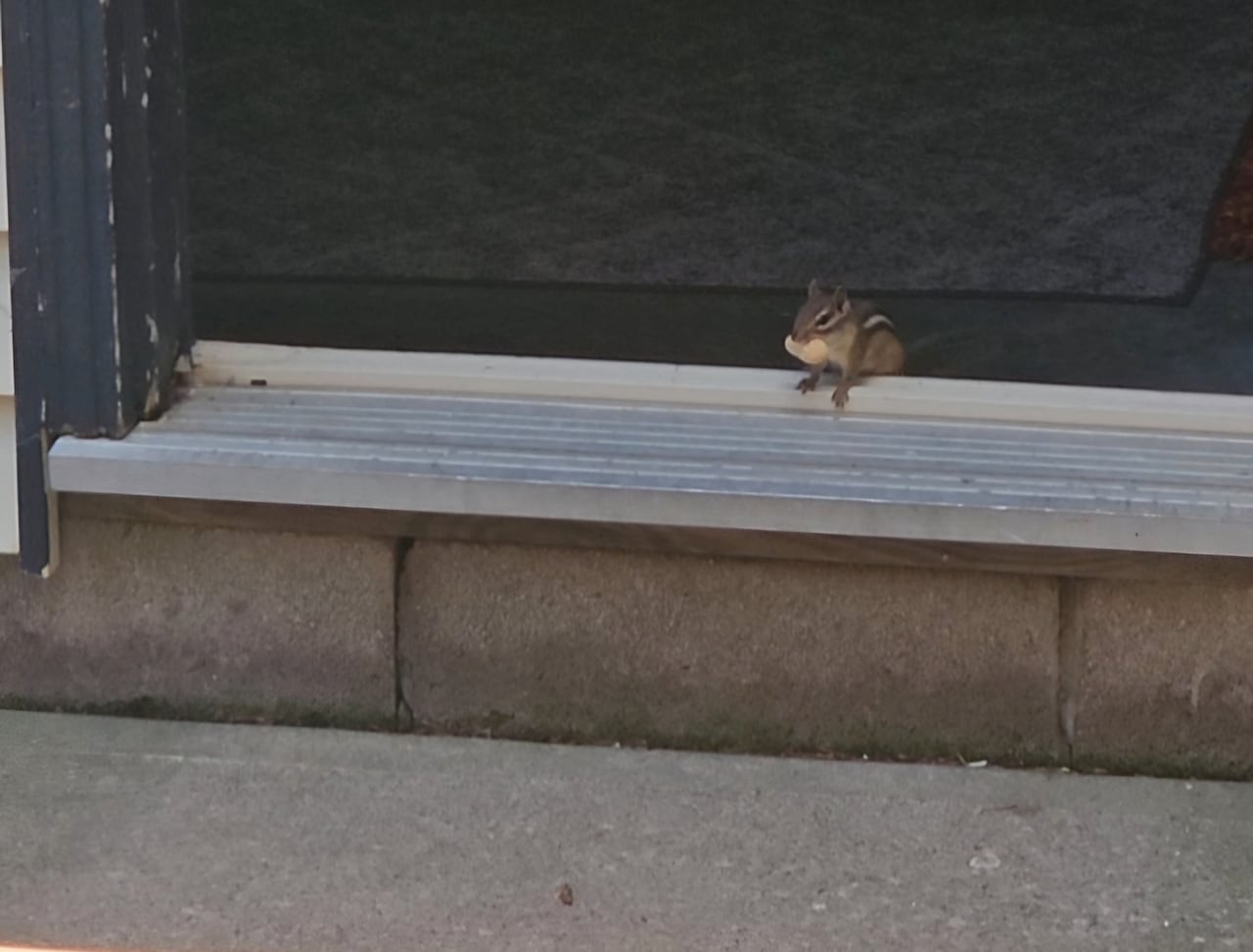 A chipmunk is seen with a nut in its mouth as it emerges from the door frame to a South Windsor backyard. (Michael Evans/CBC)
They are native mammals and abundant in southern Ontario and Detroit, he said. Bowman added their populations fluctuate year over year, depending on the availability of seed crops such as acorns and beechnuts.
“This interannual variation in abundance of chipmunks is really driven by food supply,” he said.
Since neighbourhoods in South Windsor usually have huge backyards with mature trees, Bowman said it’s “quite possible” their populations are gravitating there, since they are natural hoarders.
LISTEN | Chipmunks becoming a more common sight in South Windsor:
Windsor Morning10:34Chipmunks becoming a more common sight in South Windsor
Have you ever seen a chipmunk in South Windsor? For decades, there were none, but now they’re back. Windsor Morning host Amy Dodge spoke to Chipmunk researcher Eric Phendler about why the tiny rodents are likely coming back to the area.
Additionally, he said since Ojibway Park already has a high chipmunk population, the young juveniles “need to go somewhere else,” so they disperse. Bowman said chipmunks are a valuable component of the local biodiversity.
Eric Phendler, a PhD student at Bishop’s University in Quebec who has studied chipmunks and their behaviour extensively, agrees.
He said the animals utilize cues from the environment to robustly respond to different weather conditions and climate patterns.
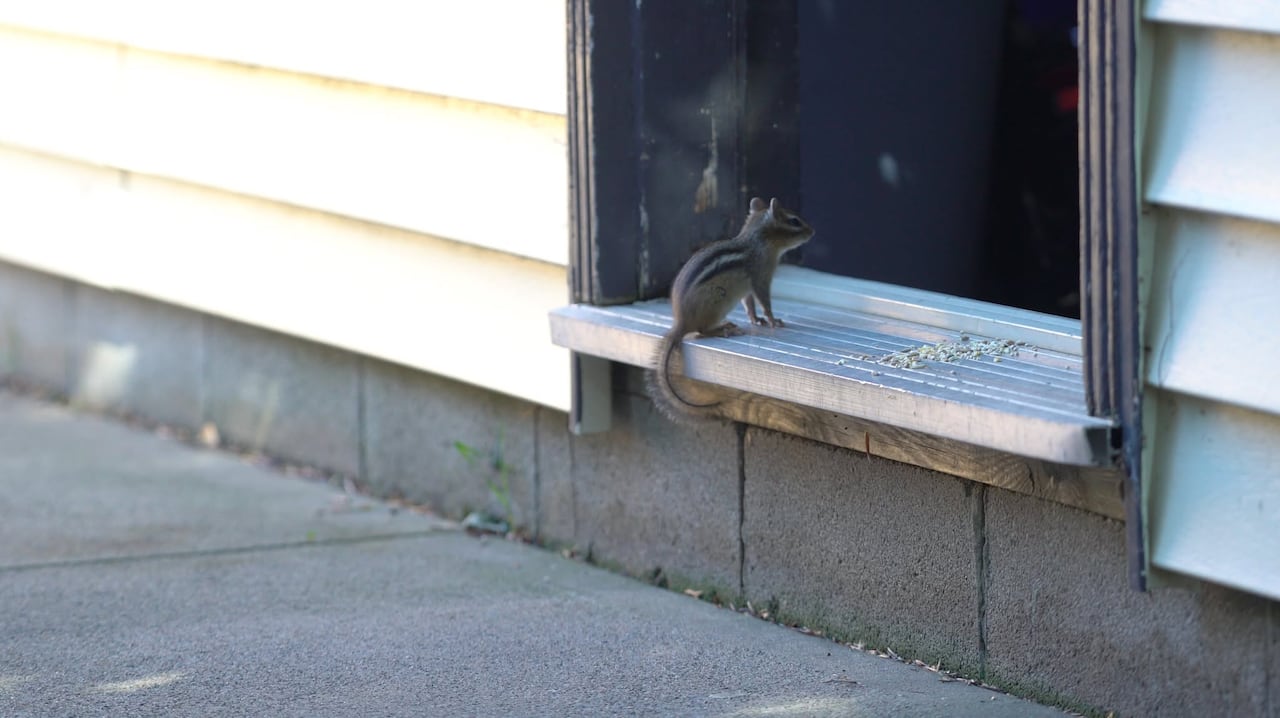 When found in backyards, experts say chipmunks will have minimal impact. Instead, they say the yards can look tidier as chipmunks tend to eat off the fallen seeds, bulbs and even snails and slugs. (Michael Evans/CBC)
Considering they have “small home ranges”, Phendler said chipmunks tend to have high fidelity to their areas. He said their range is somewhere within 100 metres of their burrows.
“So, it would take a while for them to make their way over and establish themselves on the other side [of the parkway],” he told Windsor Morning host Amy Dodge.
“They don’t require a huge area, and they can live happily in your back yard. So I’m sure they’ll be there for a while.”
Phendler said yards might look tidier with chipmunks tending to eat fallen seeds, bulbs and even snails and slugs.