
GSMArena Team,
26 June 2026.
1. Introduction and unboxing2. Design, build, handling3. Lab tests – display, battery life, charging, speakers4. Software and performance5. Camera – photo and video quality6. Alternatives, pros and cons, verdictOppo Reno16 Pro specificationUser opinions and reviewsReview comments (2)
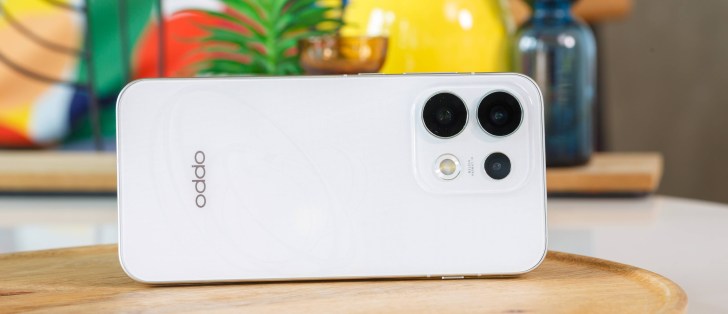
Design and build
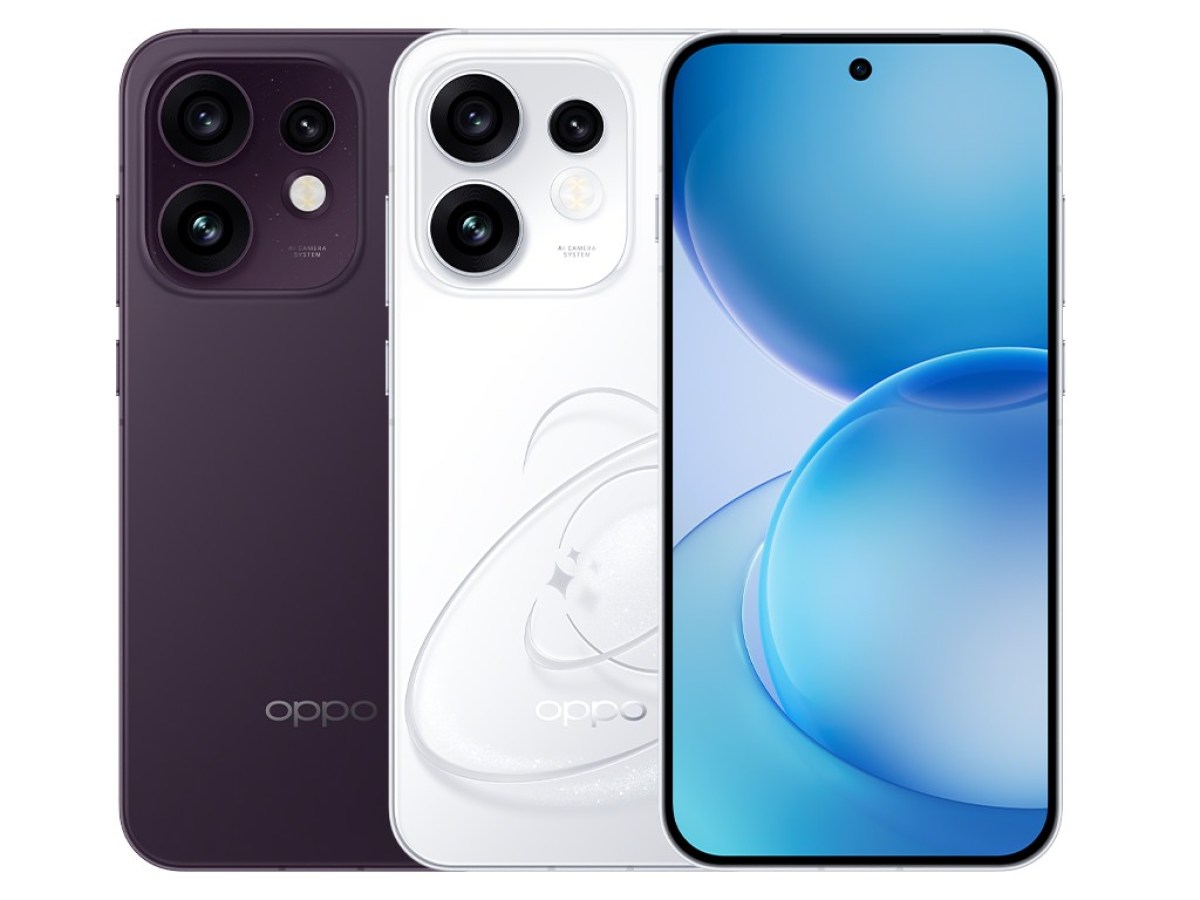
The Reno16 Pro’s design is largely similar to the Reno15 Pro’s, with just a small tweak in the camera arrangement on the back. But that iPhone-esque feel remains. Not just visually, but also in person. Oppo nailed it with the Reno15 and 16 series when it comes to build quality and craftsmanship.
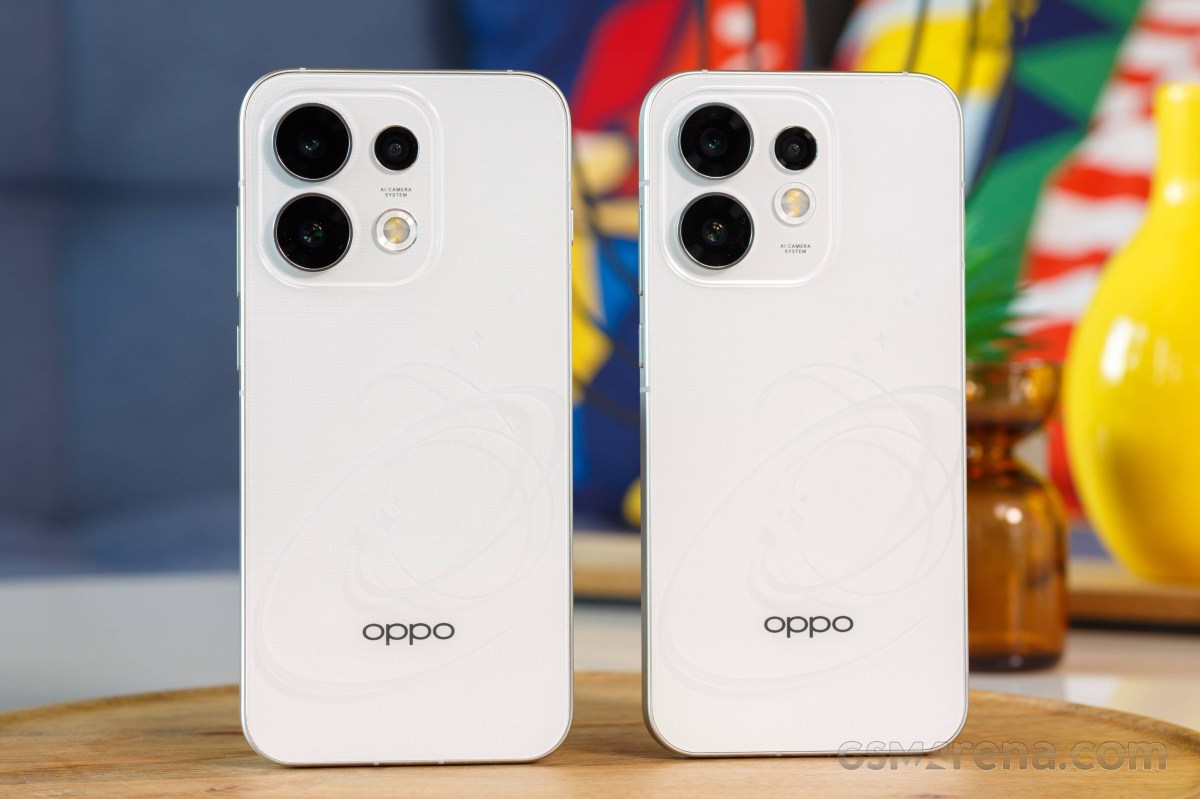
Oppo Reno16 Pro vs. Reno16
The Reno16 Pro uses Gorilla Glass 7i protection on the front and aerospace aluminum frame, while the back is unspecified glass.
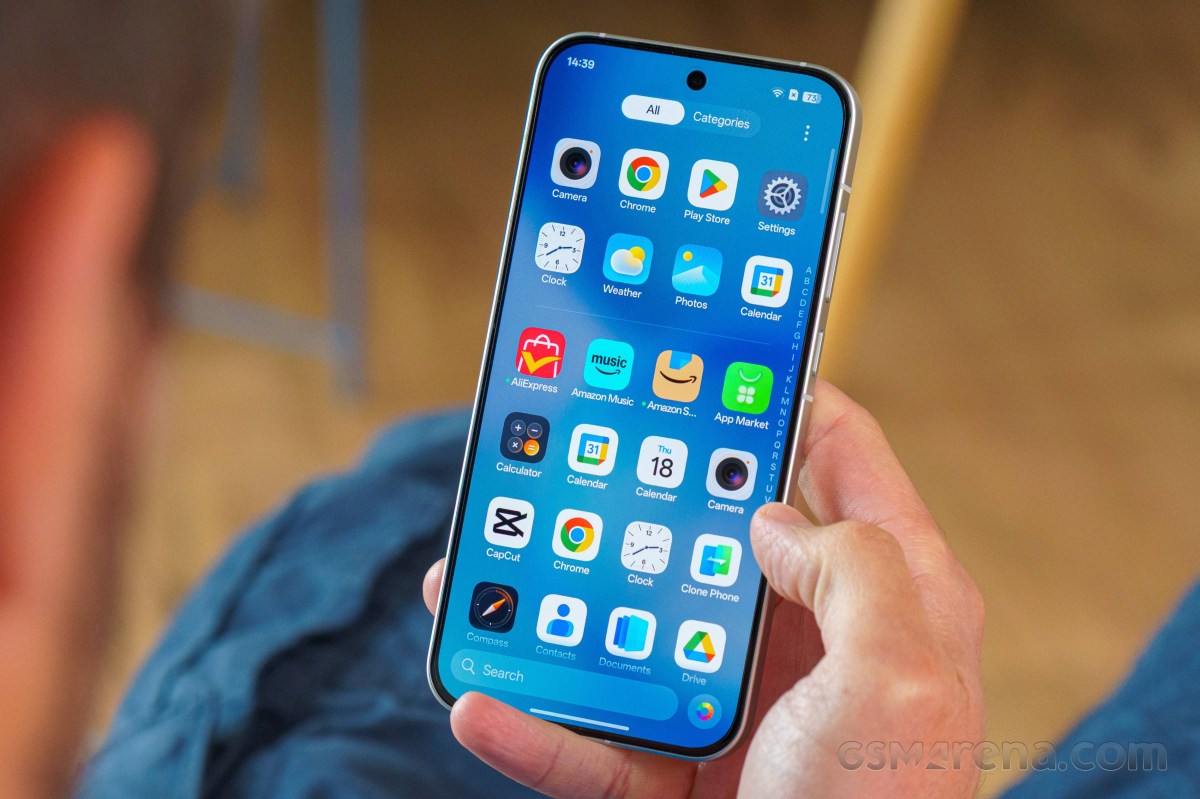
In addition to the small diagonal and thin profile, the Reno16 Pro is a pleasure to hold and use.
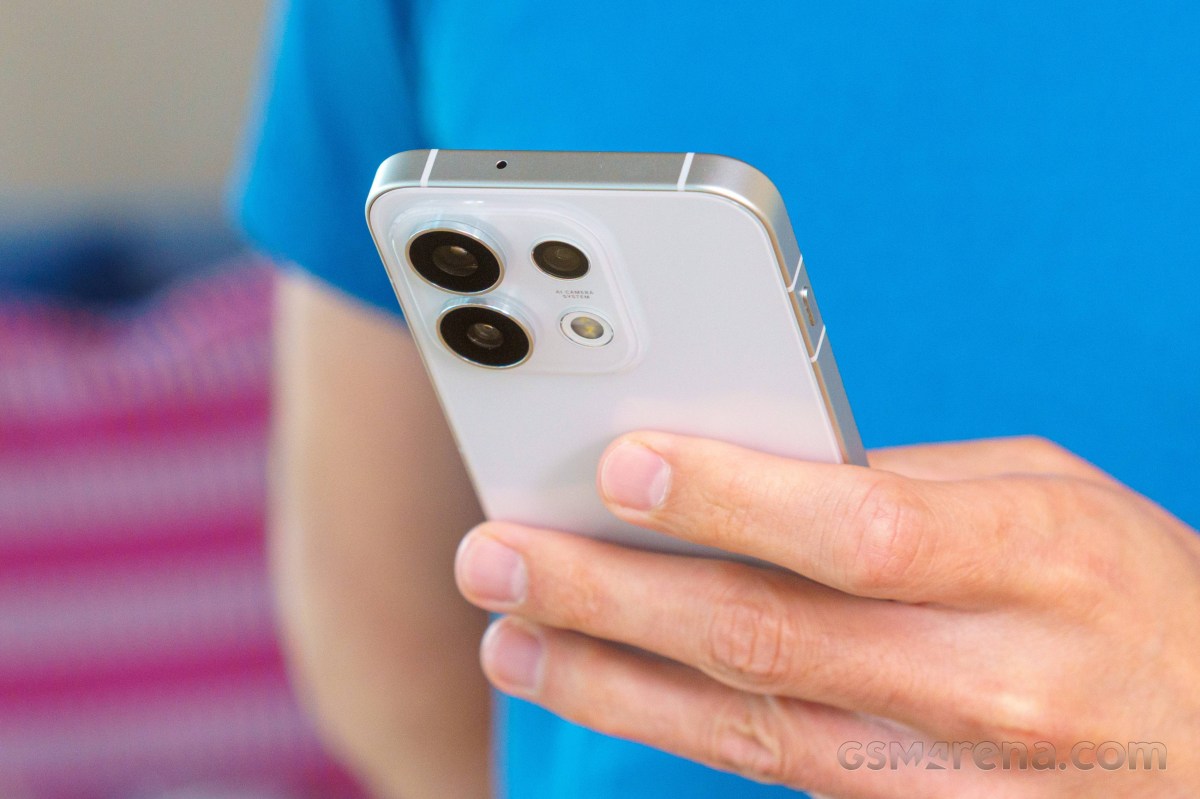
The handset also boasts four ingress protection certificates – IP66, IP68, IP69 and IP69K. Quite the reassuring collection.
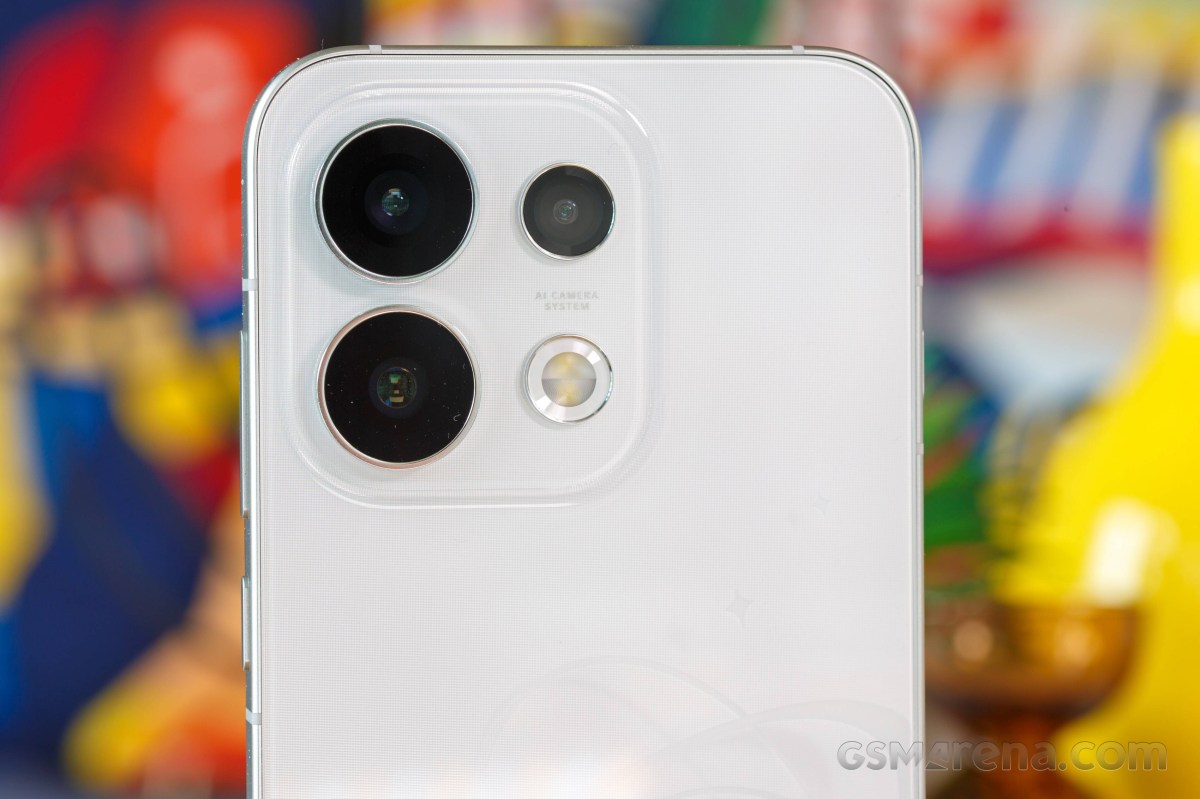
This time around, the Reno16 Pro comes in two colors – Starlight Black and Pop White. Oppo is pretty proud of the Pop White paint job that we have here in the office, and it’s because of that 3D pop effect of the planet. When you move the phone around under the light, it shifts and casts a shadow.
Going around the sides, you will find the volume rocker and power button on the right and the AI Snap Key on the left. The bottom is home to the SIM card tray that can take up to two cards. eSIM support is available, but only two SIM cards can be active simultaneously.


Oppo Reno16 Pro
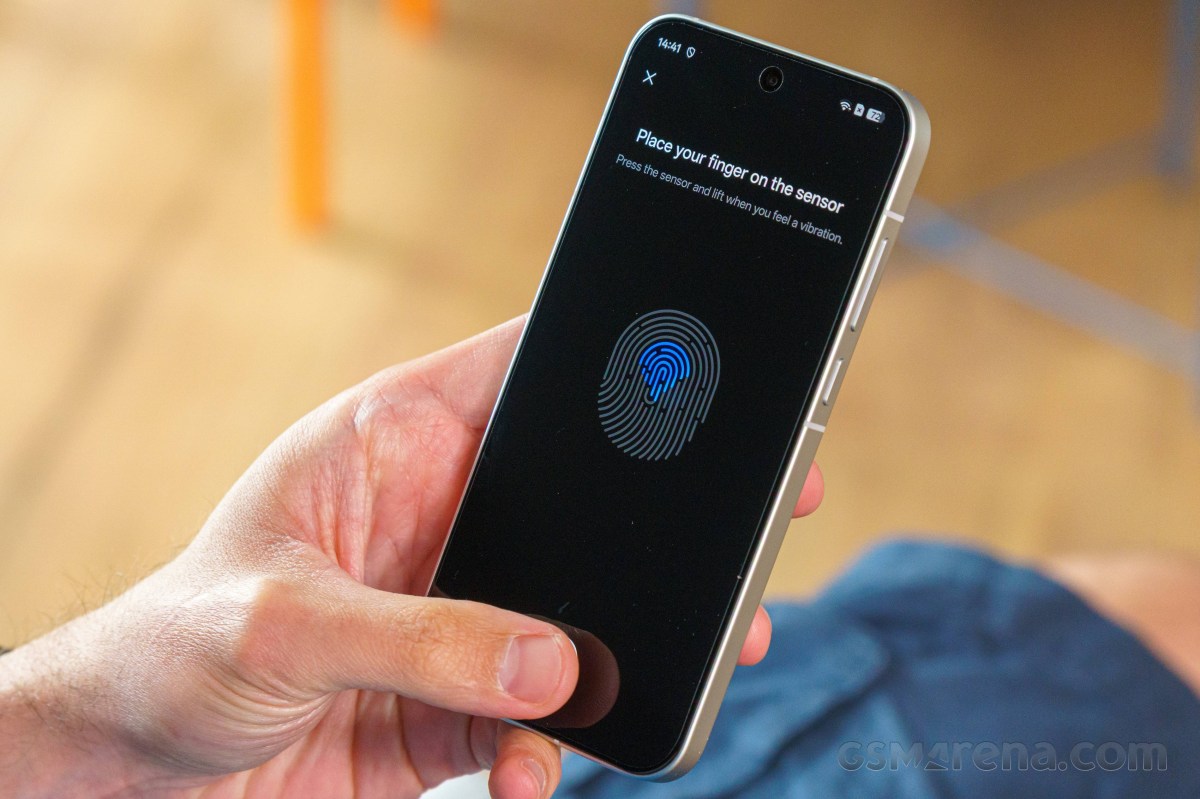
The optical fingerprint reader performed well during our testing. We only wished it were placed a little higher. It’s a bit too close to the bottom edge and feels awkward to use.
As per tradition, one of the Reno series’ strongest suits is design, and the last two generations feel more refined than ever.