
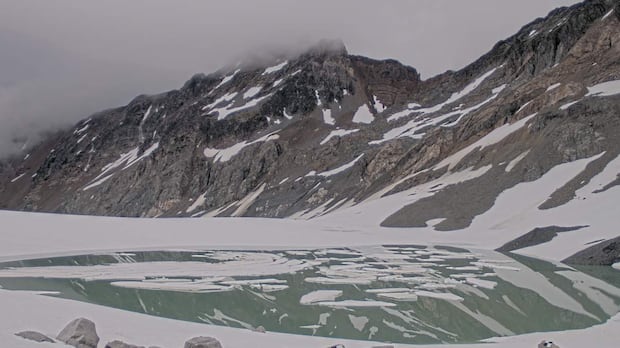
A glacial lake is expected to burst any day and will send water rushing towards a small community, roughly 30 kilometres northeast of Pemberton, B.C.
Place Glacier has been melting into a lake beside it, and for the third year in a row, it’s expected to burst.
The Squamish-Lillooet Regional District (SLRD) issued an evacuation order Thursday, June 25, for two dozen properties in the Poole Creek and Gates Lake area of Birken, due to the “immediate danger to life safety caused by the risk of overland flooding and debris flood.”
RCMP officers went door-to-door telling residents about the evacuation order, but some homeowners have decided not to leave until the glacial lake bursts.
WATCH | Clock ticking on rising glacial lake ready to burst northeast of Pemberton, B.C.: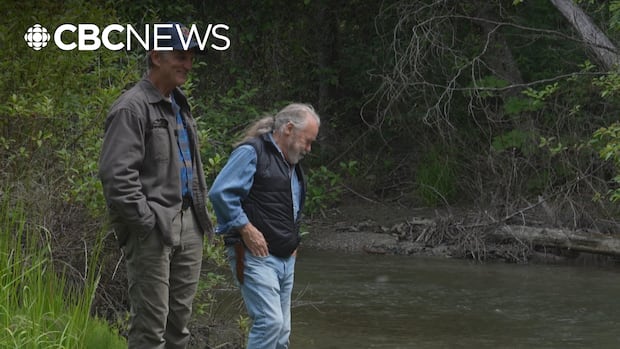
Clock ticking on rising glacial lake ready to burst northeast of Pemberton, B.C.
The clock continues to tick on when a glacier lake will burst. A small community near Pemberton, B.C., is facing the threat of flooding and an evacuation alert. The CBC’s Alanna Kelly spoke with those residents. CORRECTION: At 0:13 and in the banner of this video, Birken is identified as northwest of Pemberton. In fact, it is northeast of Pemberton.
Rick King’s residence is one of 24 properties under the order, and his property flooded during the last two outbursts.
“We are ready to go on moments notice if we have to,” King said. “My concern right now is we just don’t know what’s going to happen; there are so many variables.”
The SLRD said an embankment was strengthened this year to maintain the creek flow into its “natural and normal” alignment to Poole Creek and reduce it from going towards Gates Lakes.
“If it holds, it’s going to send all that water down this way as opposed to previous years, where half of it went somewhere else,” King said.
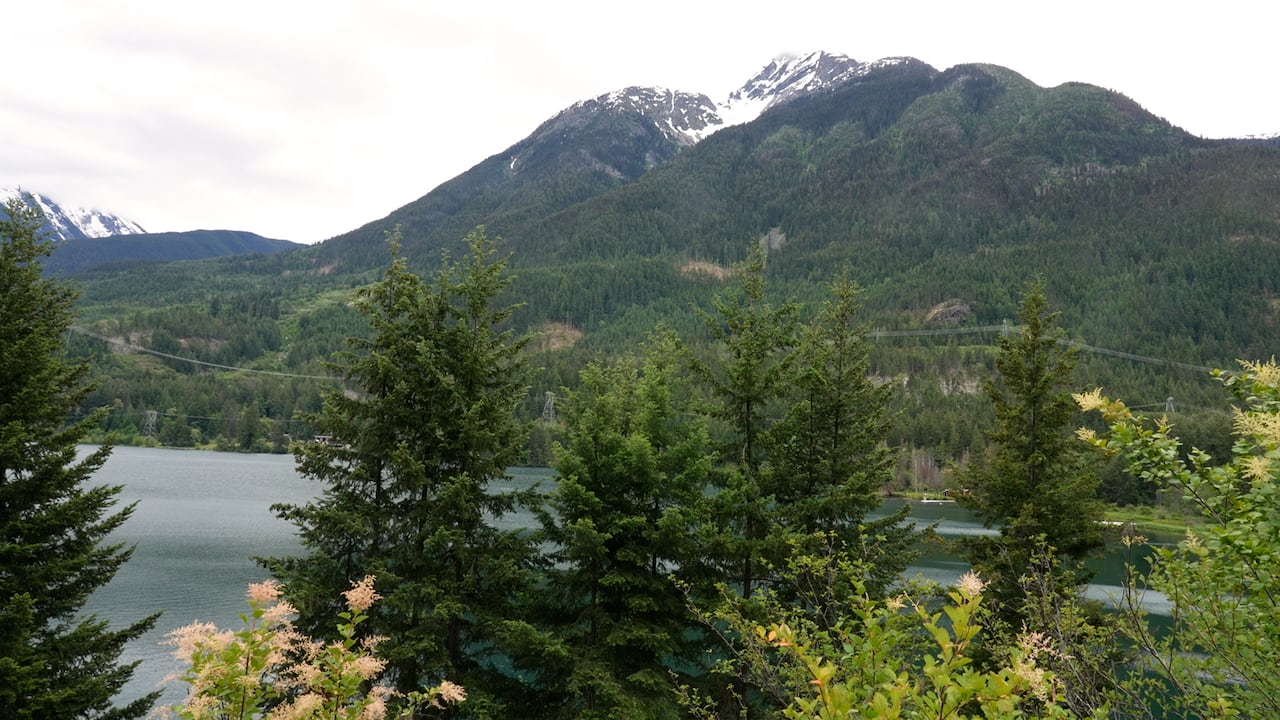 Residents on Poole Creek asked for the creek to be dredged so it can handle the outburst water, the culvert widened so more debris can flow through, a barrier that evenly divides the water between Gates Lake and Poole Creek and for the glacial lake to be drained slowly. (Alanna Kelly/CBC)
During previous outbursts, the embankment was damaged, and half of the water went towards Gates Lake and half towards Poole Creek, where King lives.
The community saw glacial lake outbursts in both 2024 and 2025, although no houses were damaged by the flooding.
“I don’t think it’s necessary to have the order,” King said. “It’ll take a while for that water to make its way from the glacier to this area.”
Next-door neighbour Don Coggins is also under the order and has chosen not to leave.
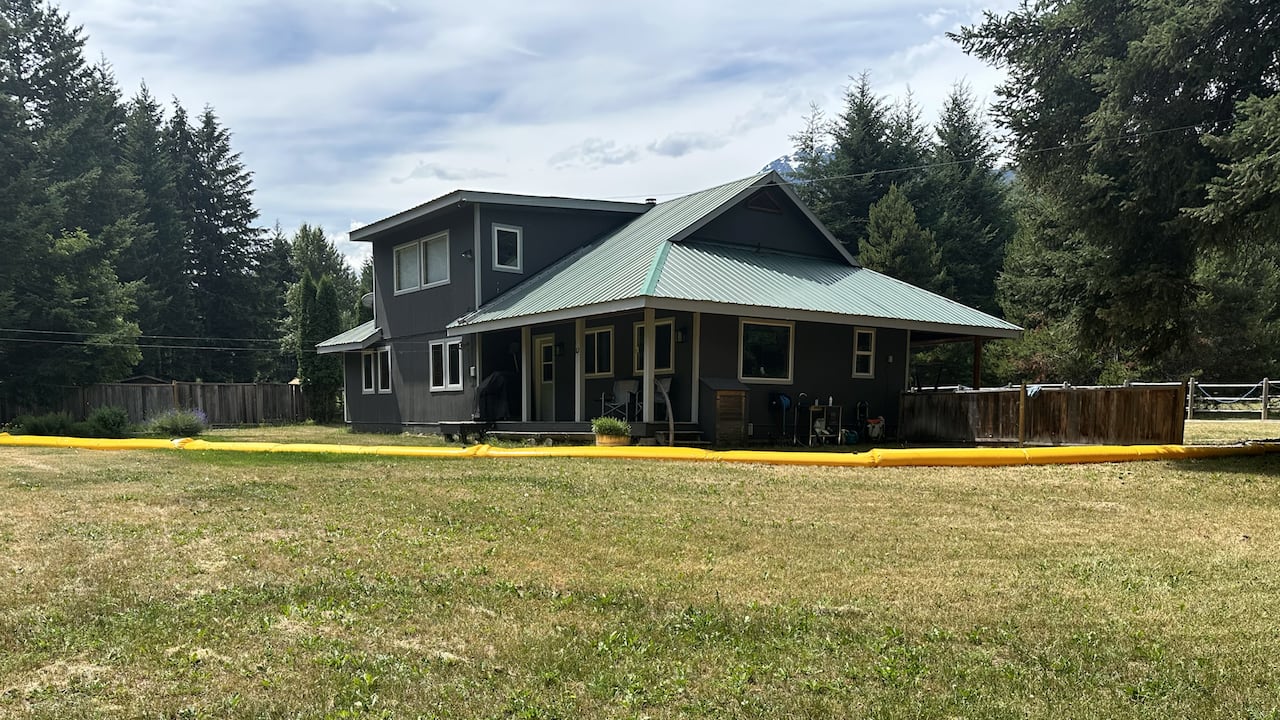 Don Coggins put flood bladders around his property near Poole Creek to help prevent flooding. The SLRD’s community preparedness measures have included providing a free self-serve sandbagging station for residents in the affected area, which has been available since June 3, 2026. (Don Coggins)
“This is our home, we bought out here 10 years ago, and this was where we planned to retire, and I’m not about to give it up,” Coggins said.
He said he will not risk his life staying, but will fight to protect his house.
“I’m going to do everything I can to protect my home as long as I can,” Coggins said.
Nearby resident Glenn Duncan has lived on Poole Creek Road for nearly 30 years. His property is under evacuation order, but he too, is staying.
“I think the district acted out of hand, and they had no business to put an order on Poole Creek subdivision,” Duncan said.
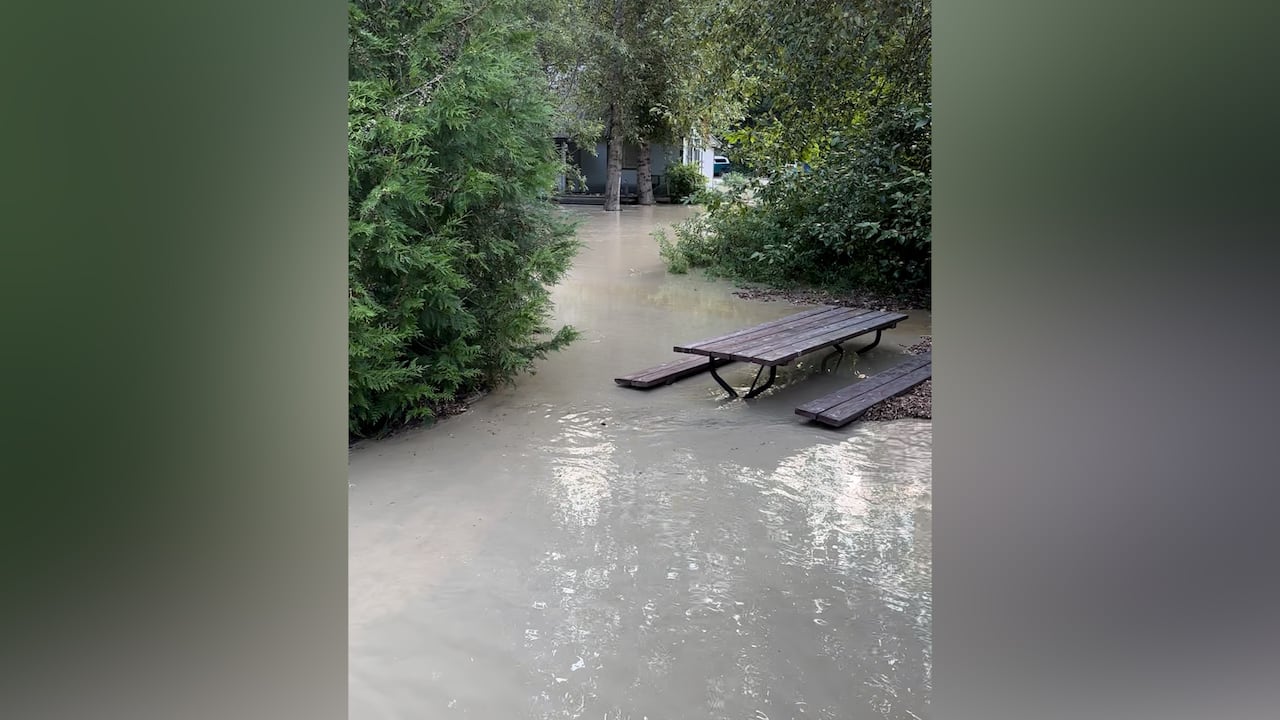 Experts said if the ice gets exposed from hot weather and snow melt, the glacial lake will fill up faster. (Rick King)
His property was not damaged in previous floods.
“The only thing we got to watch is that culvert and you know, washing the road out,” Duncan said. “We’re stuck here.”
All three residents have raised concerns the culvert that the outburst flows through being blocked.
“If that barrier holds, more water comes this way, there will be more damage,” Coggins said.
Sensors and cameras at the lake will alert officials when the outburst starts, and an alert will be sent to residents.
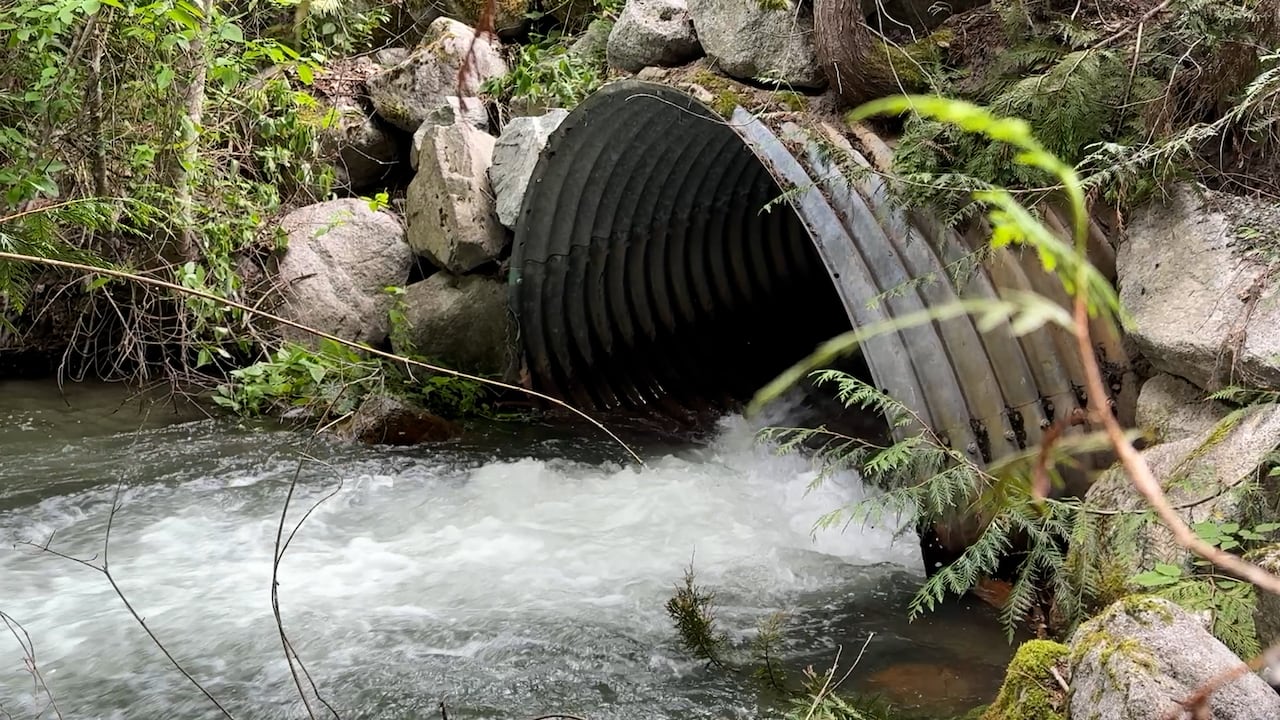 Place Glacier is expected to keep melting into a lake until it fully recedes. Resident Don Coggins wants officials to do more than monitor the situation and would like some proactive actions that could help mitigate flooding and not just wait for the disaster to happen. (Alanna Kelly/CBC)
Brian Menounos, a University of Northern British Columbia geography professor and Hakai Institute affiliate scientist, has been monitoring the glacier. He said it is difficult to predict when it will burst.
“There are still many unknowns here, and that’s really why active monitoring is required for this particular event,” Menounos said.
With each passing day, the volume of water grows. In 2024, roughly 100,000 cubic metres came through the channel.
“It’s getting closer to the volume that the lake held in 2024. It’s not there yet, but certainly larger than the amount that was released last year,” Menounos said.
WATCH | Residents near Pemberton ordered to evacuate amid glacial flood risk: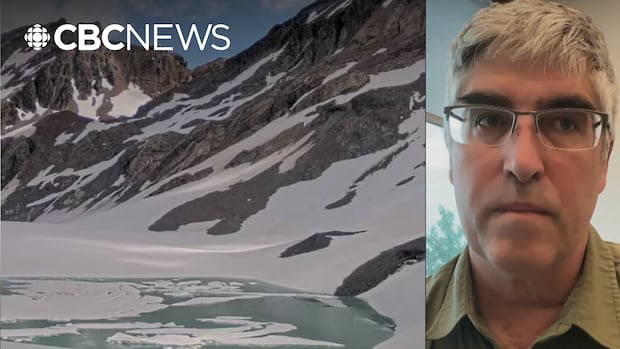
Residents near Pemberton ordered to evacuate amid glacial flood risk
Some residents northeast of Pemberton have been ordered to leave due to an imminent risk of flooding from a nearby glacial lake. Brian Menounos, a University of Northern B.C. geography professor and Hakai Institute affiliate scientist, has been monitoring the glacier and said climate change has made flood risks like this more common.
The SLRD is asking people to stay away from creeks and Gates Lake as dangerous conditions, including fast-moving water, debris, erosion, and unstable stream banks, are expected during and after the outburst.
As for residents, they say they’re left waiting and watching for it to happen.
“We don’t know what’s going to happen until it actually happens, and that’s the hardest part, it’s the stress of not knowing when and how bad,” King said.