
Re: “3 Dead in Côte-des-Neiges shootings” (The Gazette, June 23)
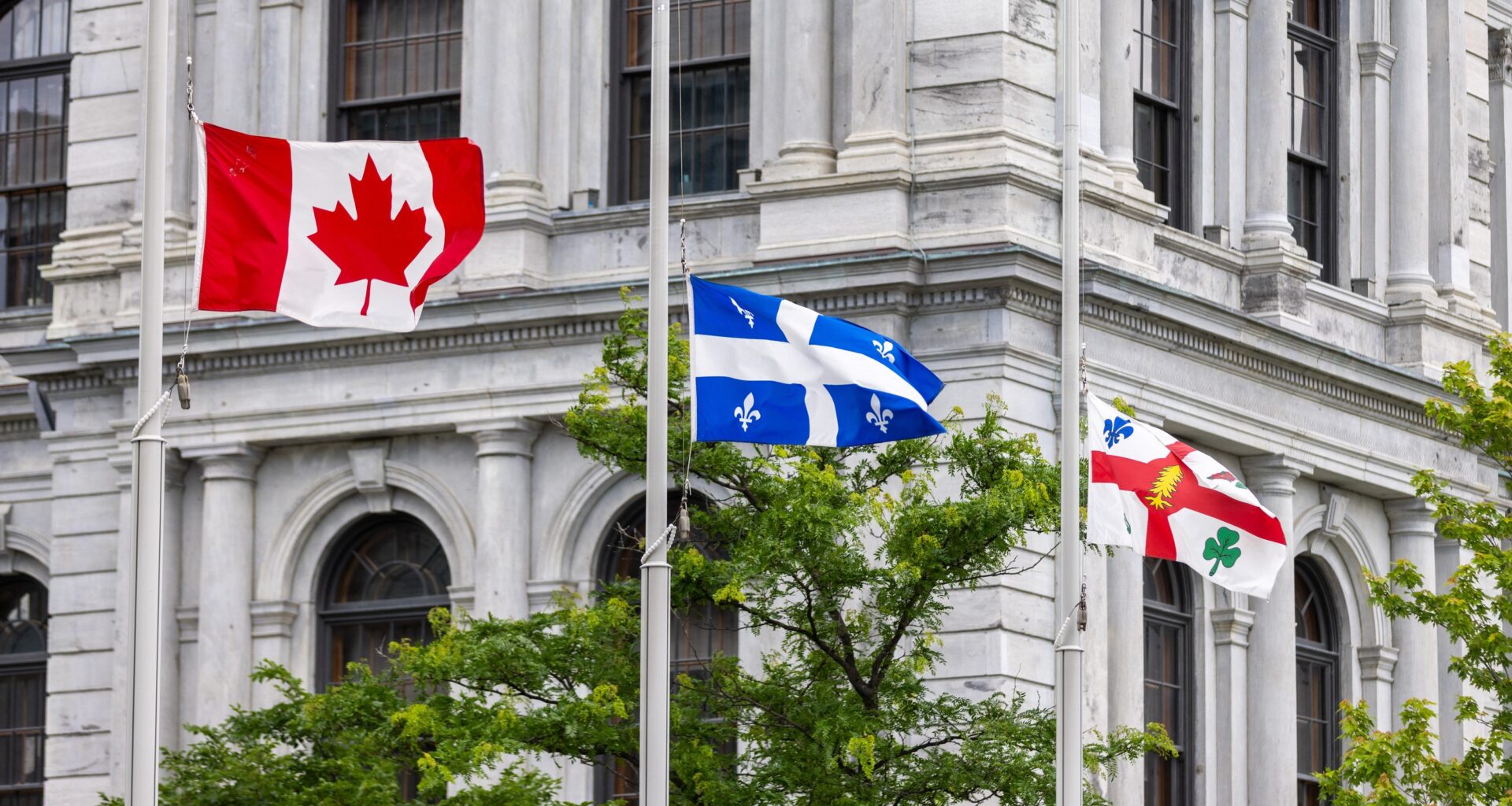
A Montreal police officer has been shot dead in the line of duty, along with an innocent civilian.
While the city mourns, a sickening trend has emerged: the viral sharing of graphic, unedited footage of a person’s final moments — digital voyeurism at its most depraved.
When you hit “share” on an image of a dying human being, you are not engaging in public discourse — you are participating in the desecration of a person’s memory and turning a grieving family’s worst nightmare into a piece of disposable content.
Every share is a fresh wound for those who loved him, and a failure of our collective humanity.
The social media platforms facilitating this prioritize engagement-driven algorithms over basic human dignity. They know exactly what they are doing.
I fear we are witnessing a total erosion of empathy. We have become so addicted to the shock of the “immediate” that we have forgotten how to be decent.
It is time to stop. Empathy requires us to put down the phone and honour the dead with the dignity they are no longer here to defend for themselves.
Paul Henry Danylewich, Dollard-des-Ormeaux
Racial profiling ‘revelations’ not surprising
Re: “Fragile trust in police has been shattered” (Allison Hanes, June 16)
I find it quite astonishing that so many people, including politicians and the police, are expressing shock and outrage over allegations of racist behaviour by police officers in Montreal North.
For years, there have been countless testimonies about the treatment of the Black community in Montreal and elsewhere in Quebec. Hopefully the independent investigation will reveal the facts of life for so many.
Gerry Raven, Côte-St-Luc
Report on homelessness not enough
Re: “Milton Park humanitarian crisis has worsened since 2021, ombudsman says” (The Gazette, June 16)
The city ombudsman’s report on Milton Park’s deepening humanitarian crisis is both heartbreaking and infuriating.
Since 2021, the situation has deteriorated: more people living in tents, more suffering, more visible failure of our social systems.
This is not a temporary problem, it is the direct result of years of inadequate affordable housing, insufficient support services, and political indifference.
As someone who has lived through homelessness, I know how quickly stability can disappear and how difficult it is to regain.
Reports like this one are important, but they are not enough.
We already know what the problems are. What we need now are concrete solutions: rapid expansion of affordable and supportive housing, better coordination between governments and community organizations, and a genuine commitment to treating people with dignity.
Homelessness is a deep and complicated humanitarian issue, but it is one that can be solved. We don’t need more reports. We need the City of Montreal to implement the steps necessary to end this crisis.
Shannon Michelle Booth, Montreal
Mother Nature has a plan
Re: “Climate change measures needed, mayor says” (The Gazette, June 23)
While I agree structural improvements are needed to help protect homes from flooding, I wish our political leaders would recognize the damage they are doing by allowing fields and forests to be torn up and replaced by concrete buildings.
Mother Nature put everything in its place for a reason — trees and fields absorb water.
We must figure out a way to better plan our communities to make sure housing needs are met while doing our best to keep the balance nature had in place.
Vicky Welch, Pierrefonds
Final siren a stunning blow
Re: “CBC fails in its mission with hockey blackout” (Letters, June 20)
The end of Hockey Night in Canada on CBC from coast to coast to coast is a stunning blow.
The cost of paying for Sportsnet or other service will be beyond the means of many who are already struggling with rising costs.
Watching hockey on a Saturday night is a tradition in so many Canadian homes. CBC has been airing NHL games on TV since 1952, and on the radio before that.
I find it totally unacceptable that the screen is now black.
Patricia Larson Winston, Montreal
Editor’s Picks
Submitting a letter to the editor
Letters should be sent by email to letters@montrealgazette.com
We prioritize letters that respond to, or are inspired by, articles published by The Gazette.
If you are responding to a specific article, let us know which one.
Letters should be sent uniquely to us. The shorter they are — ideally, fewer than 200 words — the greater the chance of publication.
Timing, clarity, factual accuracy and tone are all important, as is whether the writer has something new to add to the conversation.
We reserve the right to edit and condense all letters. Care is taken to preserve the core of the writer’s argument.
Our policy is not to publish anonymous letters, those with pseudonyms or “open letters” addressed to third parties.
Letters are published with the author’s full name and city or neighbourhood/borough of residence. Include a phone number and address to help verify identity; these will not be published.
We will not indicate to you whether your letter will be published. If it has not been published within 10 days or so, it is not likely to be.
Please send the letter in the body of an email, not as an attachment.