
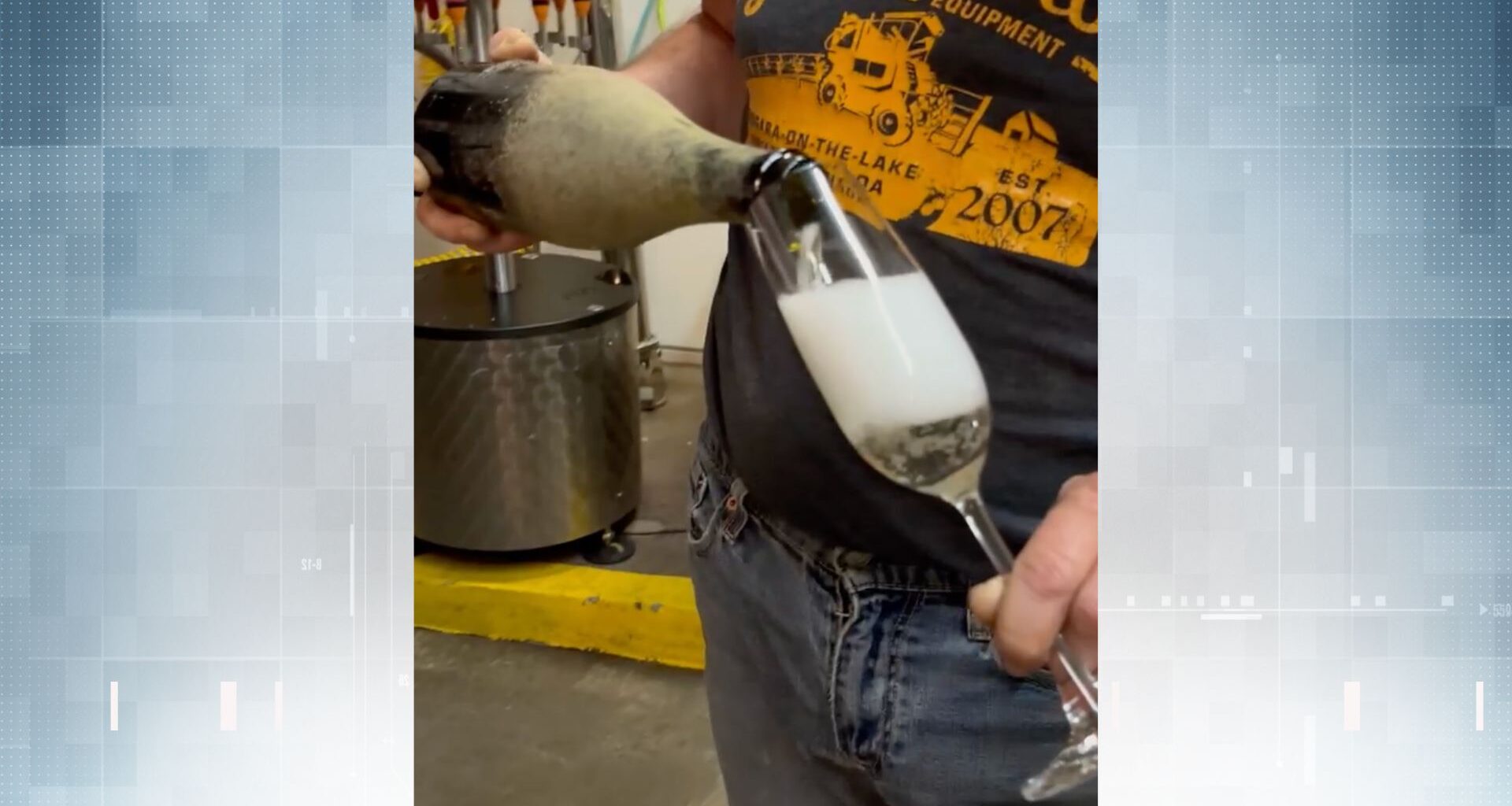
A Comox Valley winery is turning to the ocean as its newest cellar, aging sparkling wine beneath the waves in a unique coastal experiment.
40 Knots Vineyard and Estate Winery in the Comox Valley has unveiled Coastal Resonance, a sparkling wine aged underwater as part of an effort to explore how the marine environment can influence the maturation process.
 40 Knots partnered with Manatee Holdings Inc., a Vancouver Island shellfish company with extensive experience operating in marine environments.
The idea grew out of the winery’s long-standing interest in how the nearby ocean already shapes its vineyards. Located just metres from the shoreline, the winery says the coast plays a major role in the ripening of its grapes through cooler temperatures, humidity and salt-laden air.
Rather than treating underwater aging as a novelty, the winery set out to investigate whether the ocean itself could function as a natural wine cellar.
“Our wines are already influenced by the coast before they’re bottled,” said Brenda Hetman-Craig, who, along with her husband, Layne Craig, owns the winery.
Watch the bottles being put into the ocean:
Hetman-Craig told CHEK News that inspiration also came from historic underwater champagne recoveries dating back to the Titanic era. Although the bottles were no longer drinkable because their seals had failed, they showed that time and pressure beneath the sea can leave a unique mark on wine, prompting the question of how protected, properly sealed bottles might age underwater.
“That led to a simple question: What if wine were intentionally aged in the sea, under controlled conditions? From there, the concept began to take shape – not as a novelty, but as a serious exploration of environment as cellar.”
The project also aligns with the winery’s sustainability goals. Instead of relying on climate-controlled cellars, the ocean provides naturally stable temperatures, darkness and gentle pressure without additional energy use.
Shellfish meets wine
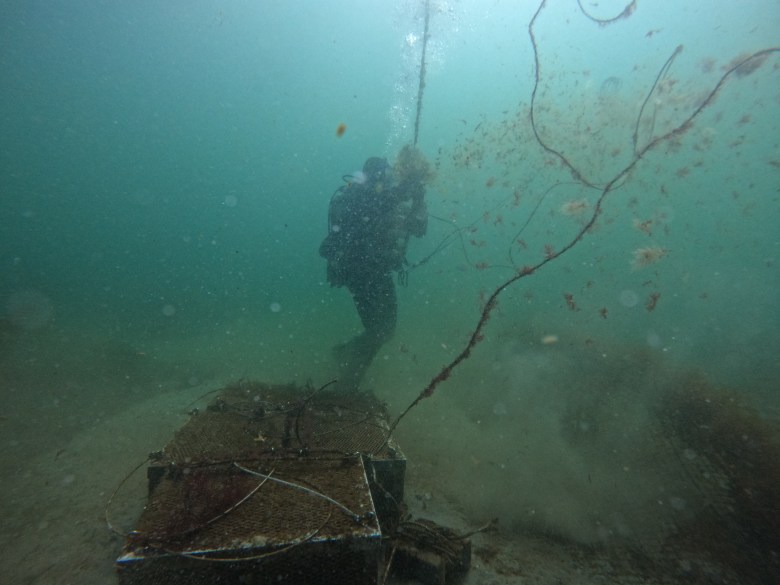
To carry out the experiment safely, 40 Knots partnered with Manatee Holdings Inc., a Vancouver Island shellfish company with extensive experience operating in marine environments.
Manatee Holdings provided the infrastructure, vessels and experienced dive team needed to deploy and retrieve specially designed cages holding the wine bottles beneath the water.
“When Brenda showed me an article about champagne being cellared under the sea in Europe, she asked, ‘Do you want to do this project?’ I said, ‘Absolutely,’ ” explained Manatee Holdings Inc. co-owner Lourdes Gant.
“This was really about bringing together two family businesses that believe in what nature can do for us.”
Hetman-Craig admitted that, at first glance, the two businesses might seem like an unusual pairing.
“What does a geoduck-focused shellfish operation have in common with wine? But the more we spent time in the coastal food and beverage space, the more the connection became obvious.”
A year beneath the waves
The bottles were submerged during favourable weather conditions after spending approximately three years aging in a traditional cellar. They remained underwater for an additional eight to 12 months before being recovered, bringing the wines to nearly four years of total aging.
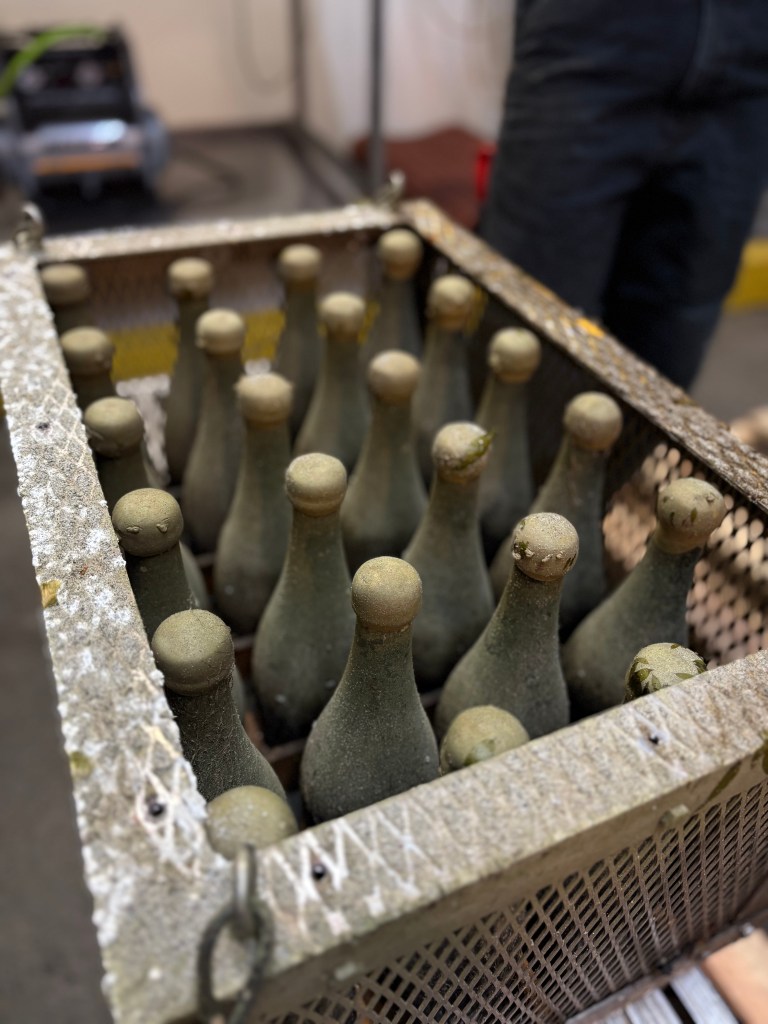 The bottles in their specialty-designed cages after being pulled from the ocean. (40 Knots Winery photo)
The initial trial involved just 120 bottles, a quantity the winery described as an acceptable level of risk for what it considered a proof-of-concept experiment.
According to Hetman-Craig, the underwater-aged sparkling wine developed noticeable differences from bottles aged on land. It reported a finer, longer-lasting mousse, more pronounced bread and yeast characteristics associated with traditional-method sparkling wines, and a softer, more integrated palate. Tasters also detected a subtle hint of coastal salinity.
She added says the project remains in its early stages and will serve as a baseline for future research.
While the first experiment focused on sparkling wine, 40 Knots is already considering applying the technique to other varietals, including Pinot Noir.
The name Coastal Resonance reflects the winery’s belief that the ocean influences its wines from the vineyard through to the bottle.
“The coast doesn’t just surround the wine,” Hetman-Craig said. “It resonates through it.”