

Listen to this article
Estimated 4 minutes
The audio version of this article is generated by AI-based technology. Mispronunciations can occur. We are working with our partners to continually review and improve the results.
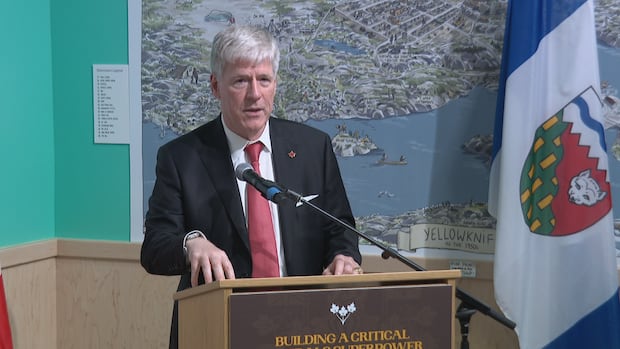
The federal government is spending up to $50 million to help develop a mine in the Northwest Territories that will, in part, supply critical minerals to the United States — which Canada’s minister responsible says puts the cards in the country’s hands.
The Tłı̨chǫ government and Fortune Minerals will use the money to build an access road to the NICO mine site near Whatì, N.W.T. The mine is expected to extract things like cobalt, gold, bismuth and copper.
Earlier this year, Fortune Minerals responded to a proposal to supply bismuth to the U.S. Department of War under a program aimed at securing domestic supply chains for critical minerals.
It comes at a time when Canada and U.S. relations are tense, but some see it as an opportunity to not only have the country stand its ground, but even be a stepping stone towards better, future trade deals.
“We develop our own critical minerals and we control our own critical minerals,” federal Energy and Natural Resources Minister Tim Hodgson told CBC News on Friday.
“We’re happy to work with other sources of capital, but we will develop our critical minerals and we will decide where they go. And they will go to our allies, including the United States. And that will put cards in our hands.”
Hodgson also pointed back to when President Donald Trump said he wants Ukraine to supply the United States with rare earth minerals.
“We can never let that happen here,” said Hodgson. “In a world where it’s increasingly volatile and insecure, we need the best hand we can have. The very best cards we have are critical minerals.”
Mine will help Canada establish a ‘secure supply chain’ project’s CEO says
President and CEO of Fortune Minerals, Robin Goad, told CBC News his mine would do a lot more than benefit America’s war department.
He said other resources that Fortune Minerals would extract, like cobalt, could help create rechargeable batteries for electric vehicles.
“Are there military applications for bismuth? Yes there are,” he said. “There are also technology applications.”
Goad said there are essential industries that require the products that his mine is going to produce. And he wants the mine to be an example of how Canada can supply those materials.
While Goad also said Canada’s defence department has not approached Fortune Minerals the same way the U.S. has, he’s open to supplying them too.
And more broadly, on the heels of a shrinking mining sector in the Northwest Territories, Goad said his project fills a void and can bring both jobs and infrastructure to the N.W.T.
“We need more mining operations in the Northwest Territories,” he said. “Canada needs a secure supply chain of the metals that are needed in all kinds of new technologies.”
‘Look, we’re doing more’
Christian Leuprecht is an expert in security and defence who teaches at the Royal Military College of Canada and Queen’s University. He said Canada has a chance to leverage its resources for its own interests.
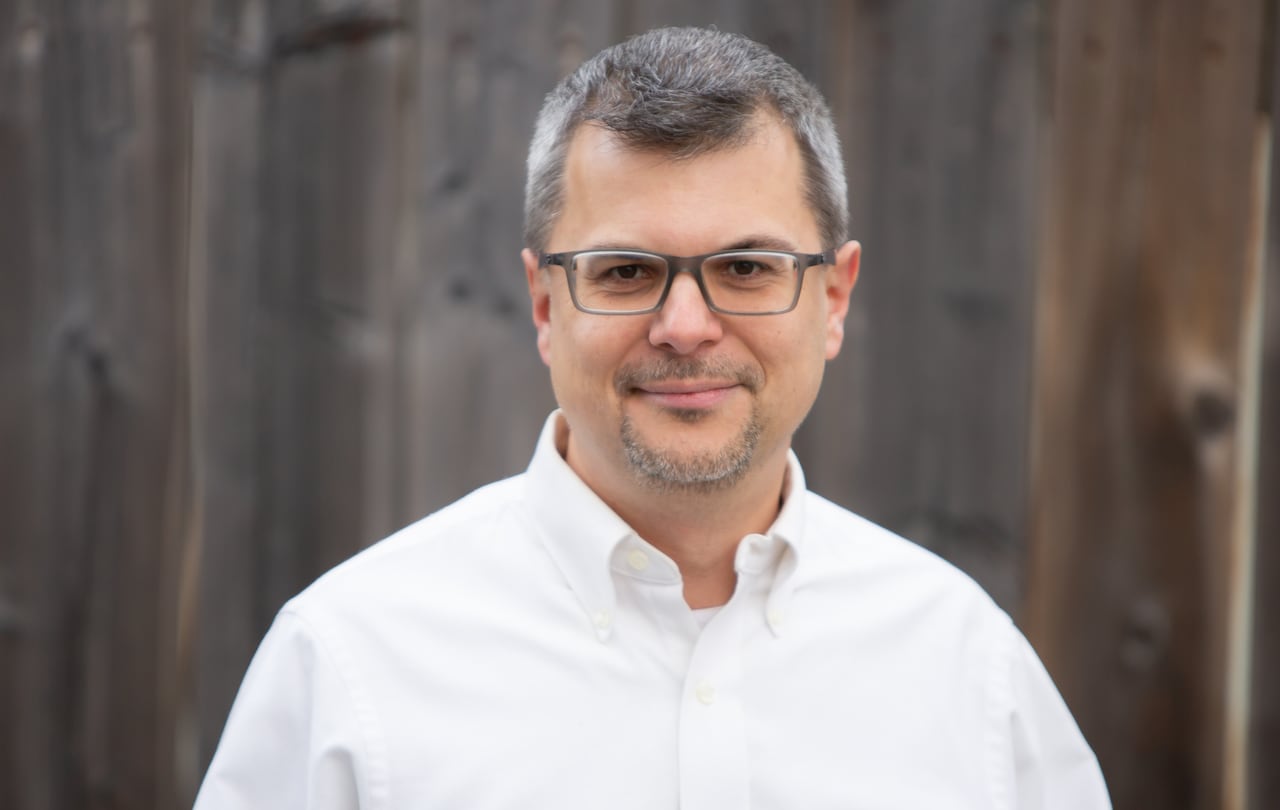 “This is one way for Canada to show, ‘Look, we’re doing more.’ And so now we also expect a favourable free trade agreement in return,’” says Christian Leuprecht, an expert in security and defence. “So these are all part of a changing, grand bargain between Canada and the United States.” (Submitted by Christian Leuprecht)
“Most of our allies and partners wish they were blessed with natural resources the way Canada is, so let’s use them for strategic benefit,” he said.
Leuprecht said this kind of investment is part of a much larger story that could come with more long-term benefits and potentially help amend relations between countries.
“This is one way for Canada to show, ‘Look, we’re doing more.’ And so now we also expect a favourable free trade agreement in return,’” he said. “So these are all part of a changing, grand bargain between Canada and the United States.”