

Listen to this article
Estimated 5 minutes
The audio version of this article is generated by AI-based technology. Mispronunciations can occur. We are working with our partners to continually review and improve the results.
Response to a provincewide letter on access to youth medical records came fast and furious this week, with a wide range of feelings expressed.
It’s unclear where the majority of parents are landing on the matter. Some have expressed frustration, as they became aware of the details of the provincial law and regulation around the limitations placed on parents’ free access to medical records of their children as their children age.
A letter was sent to all parents of school-age children by Newfoundland and Labrador Health Services.
“I had a lot of questions there wasn’t much of an understanding. I was kind of blindsided. When I read through the email I was trying to make sense of it but was very vague.,” said Corner Brook mom Danielle Deboer, speaking to the CBC on Friday.
WATCH | Letter prompts range of reactions: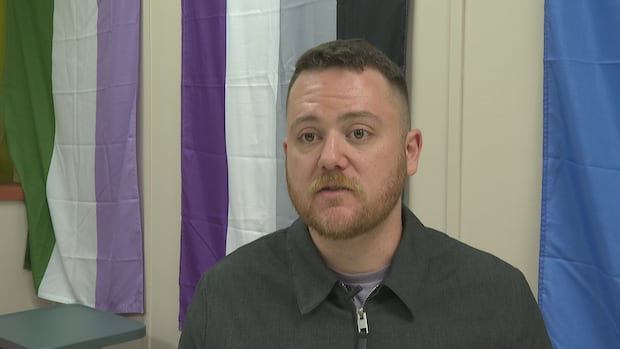
NLHS letter about access to children’s medical records prompts range of reactions
A letter sent by the health authority in Newfoundland and Labrador has triggered a range of reactions from people in the province. The letter deals with the age at which children must give consent in order for their parents to access their medical records. The CBC’s Leila Beaudoin reports.
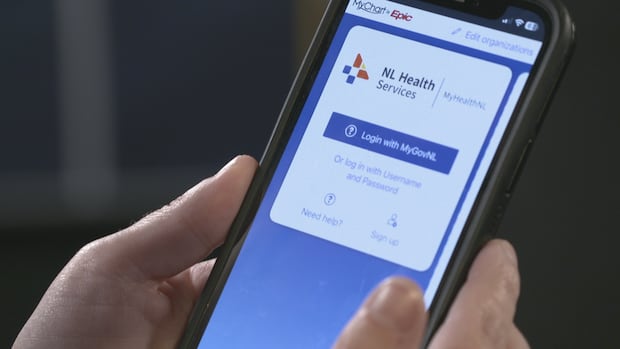
It noted the parent of a child under the age of 12 would need to request a proxy designation to access the child’s records in the province’s new digital health records app. Parents could only see the record if the proxy is granted, and access would end once the child turns 12.
If the child is between 12 and 15, a parent or legal guardian can then request record access with the youth’s consent, it stated.
At age 16 and beyond, people can grant a trusted person access and choose their level of access.
Deboer is among the parents who acknowledge the potential for cases where free access would be an issue, but at the same time disagree with the approach as it stands.
“We may trust someone that shouldn’t trust at 16 years old that child can say you know what I don’t want my parent to be my proxy but you know what you can,” she said.
“I don’t think it’s one size fits all and it needs to be better policies in place to keep those children safe.”
Premier committed to changes
At the same time, it is unclear exactly what drove Premier Tony Wakeham and Health Minister Lela Evans to already commit this week to making changes in the legislation, or what exactly they will focus on for change. A statement from the premier this week, responding to comments from some parents, not only said the law and regulation would be reviewed, but changed this fall.
There was no mention in the statement of any complaints on record on parents’ access health records prior to the email to parents this week. The health authority has not pointed to the existence of cases where records have been at issue, where parents were not granted access to the detriment of the child. Nothing has been pointed to even as an issue emerging since April and the point of the rollout of the new, public app for patient records access.
The premier did categorize the current approach as “secrecy by default.” He said the legal system allows for “complex cases” to be dealt with. His statement suggests a move to something closer to blanket access for parents, but the mechanism isn’t clear.
In a 2023 publication, the Canadian Pediatrics Society said providing confidential care is essential. It also encouraged adolescents to share sensitive information.
Alternatives sometimes needed: advocate
Quadrangle N.L. executive director Colt Politte works with youth and said not everyone has a traditional mom and dad at home. The consent feature means they can choose an adult to act as a support they’ll need.
“So they can’t keep track of them for that child who might not be aware. Maybe I do have to get bloodwork every three months,” he said.
Politte said medical information is information most kids will want to share with their parents.
“A parent is still able to go into the doctors office, probably still going to be booking that appointment. A parent will still be able to advocate for their child, to the child’s doctor, to make sure the child is getting the care that they need,” he added.
When parents first received the letter on Wednesday, CBC emailed the health authority and requested an interview and answers to several questions. For three, consecutive days a spokesperson for Newfoundland and Labrador Health Services has said they are working on a statement.
Nothing was received as of deadline for this piece Friday evening.
Download our free CBC News app to sign up for push alerts for CBC Newfoundland and Labrador. Sign up for our daily headlines newsletter here. Click here to visit our landing page.