
If there was a golden era for epic movies, it might well have been around the middle of the 20th century. There were a lot of them, likely a combination of more money being able to go toward entertainment (in the post-World War II years), and also the film industry realizing it had to increasingly compete with television, for people’s time and attention.
So, movies got bigger, and wide-screen became a thing, and you got the likes of Ben-Hur, Lawrence of Arabia, Doctor Zhivago, and even 2001: A Space Odyssey (among many others) getting especially huge and feeling truly epic. But you can also find epic movies in just about any decade, including the one that brought the 20th century to a close. On that note, here are the best epic movies of the 1990s, with all of them immensely ambitious, and most of them exceeding three hours in length (with just a few that fall shy of that three-hour mark by a few minutes).
10
‘Gettysburg’ (1993)
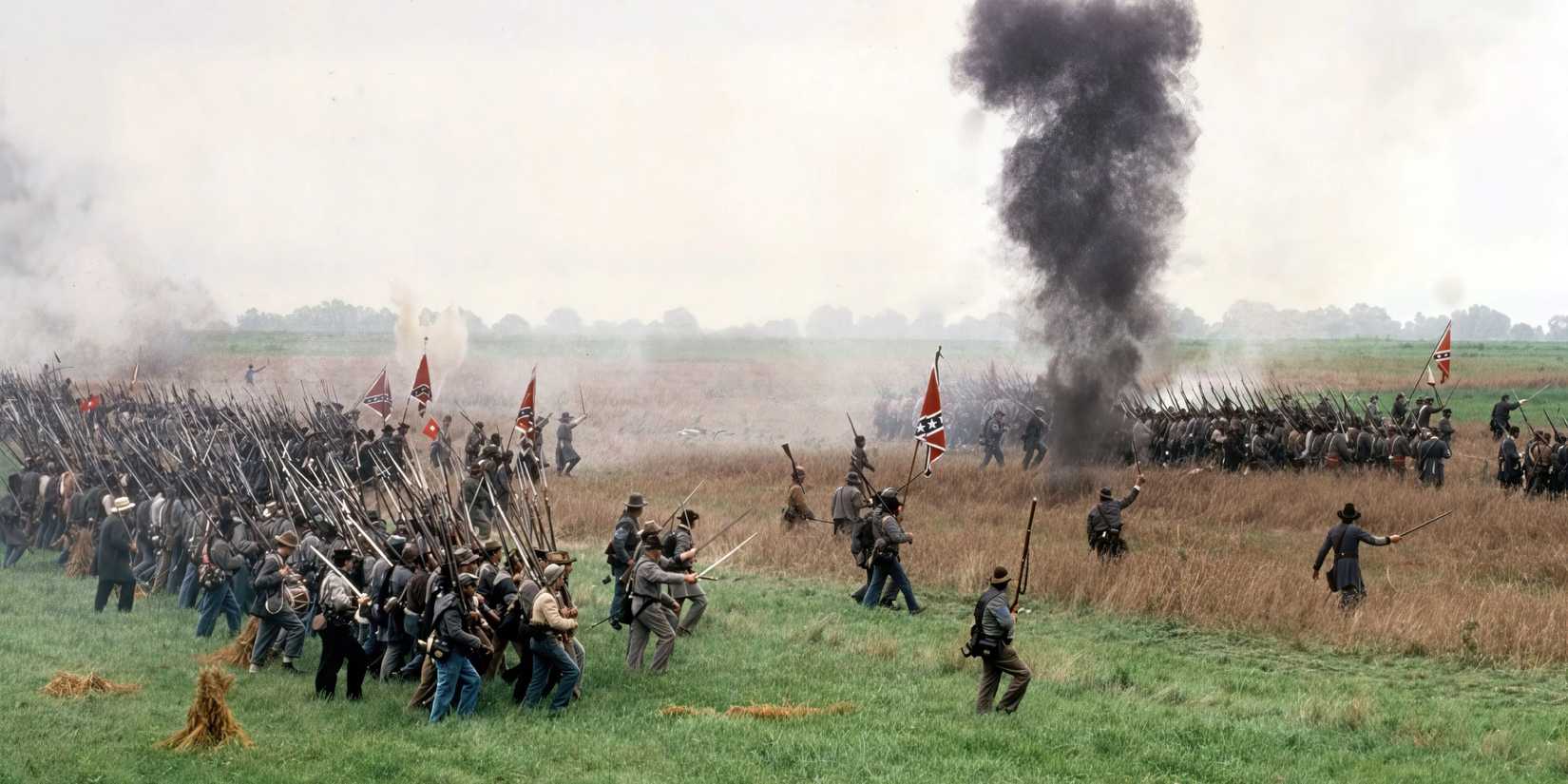
Image via New Line Cinema
A movie that focuses on a single battle for more than four hours probably isn’t going to be everyone’s cup of tea, yet Gettysburg does admittedly have a pretty huge – and historically significant – battle it chooses to focus on. The titular Battle of Gettysburg is the one, of course, and it took place over three days in July 1863, with the events of the battle famously being instrumental in altering the course of the American Civil War.
Also in Gettysburg’s favor: the fact that it feels quite authentic, and it’s also a technically impressive movie. There is an appropriately epic scale to the depiction of the battle here, and as far as the acting and technical qualities go, everything’s more than solid. If you have an afternoon to kill, find the American Civil War even a little interesting, and haven’t seen Gettysburg yet, you probably should.
9
‘Braveheart’ (1995)
Mel Gibson as William Wallace in the historical action movie Braveheart (1995)Image via Paramount Pictures
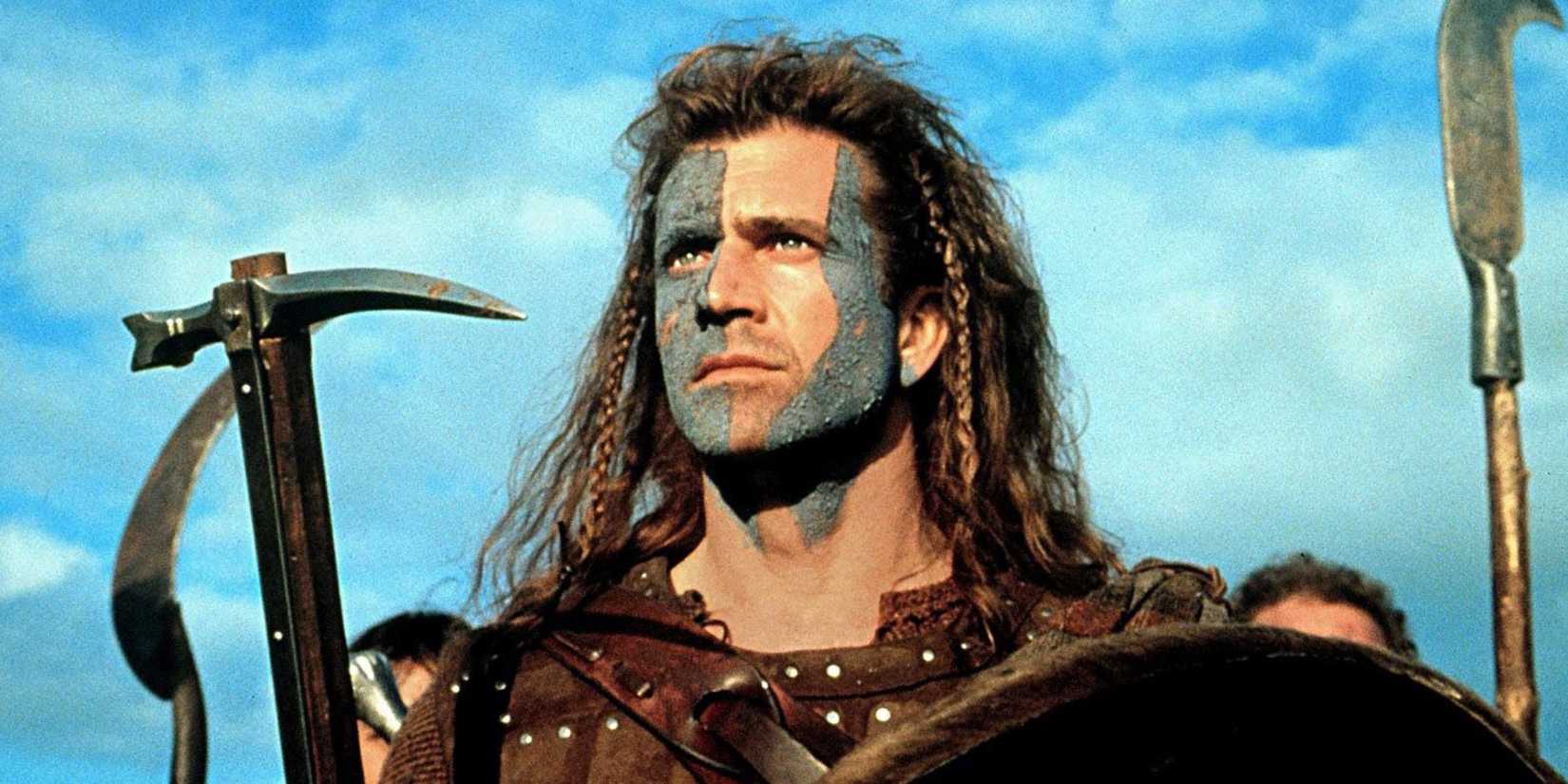
Very loosely based on a true story, Braveheart is about a warrior named William Wallace, and how his quest for revenge against the English soldiers who killed his wife ended up inspiring a rebellion against the English, who had conquered Scotland. That whole “personal quest becoming something bigger and more revolutionary” was also done in Spartacus (1960), and then just a few years later in Gladiator (2000).
So, it’s a familiar kind of story, yet it works, so that’s okay. Unless you’re particularly concerned with historical accuracy, or squeamish, Braveheart is very much worth watching, and most of it still holds up three decades later. Maybe it’s Oscar bait, to some extent, as a big, broad epic, but it’s also successful Oscar bait, not to mention one of the grittiest and most violent movies to win Best Picture at the Academy Awards, too.
8
‘Casino’ (1995)
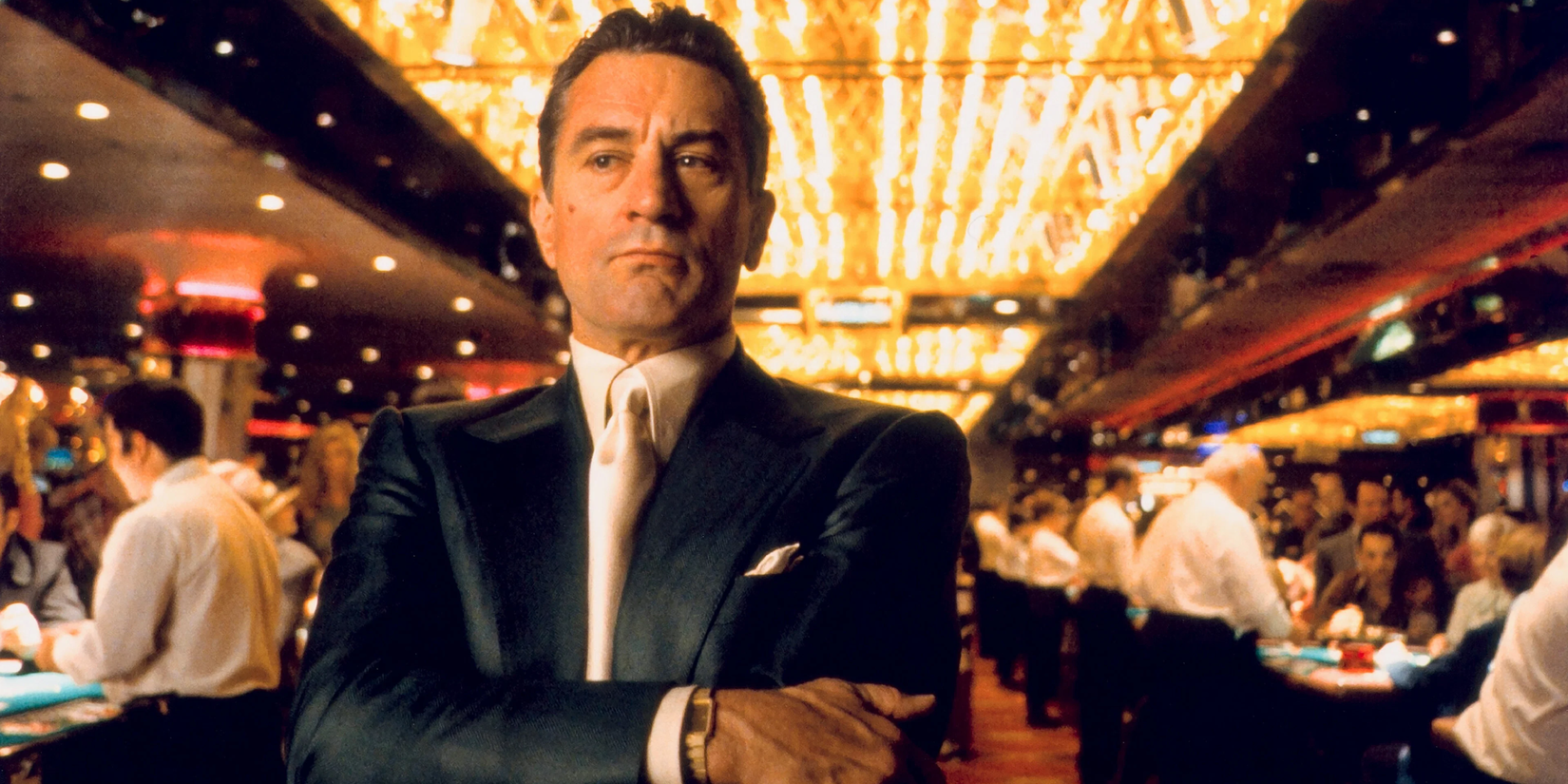
Image via Universal Pictures
Before the release of The Irishman, Casino was the longest gangster movie Martin Scorsese had directed. If you’re after the film of his in that genre that also feels the most like an epic, there’s an argument to be made that it’s Gangs of New York, rather than Casino, but that came out in 2002. Not quite so 2000-and-late, but too late to count for a ranking where you’re just talking about 1990s movies.
Anyway, most people feel like Casino is better, anyway, or at least it’s more intense and maybe a bit more consistent. It’s no Goodfellas, which is the gangster movie to beat (not just for Scorsese, but for everyone), yet that’s not quite an epic, even if it is pretty ambitious. Casino goes bigger, it runs for about three hours, and there is a look at a whole city being impacted by organized crime, in contrast to the more personal and grounded feel of Goodfellas. It does still function as something of a spiritual sequel to that 1990 film, though.
7
‘Hamlet’ (1996)
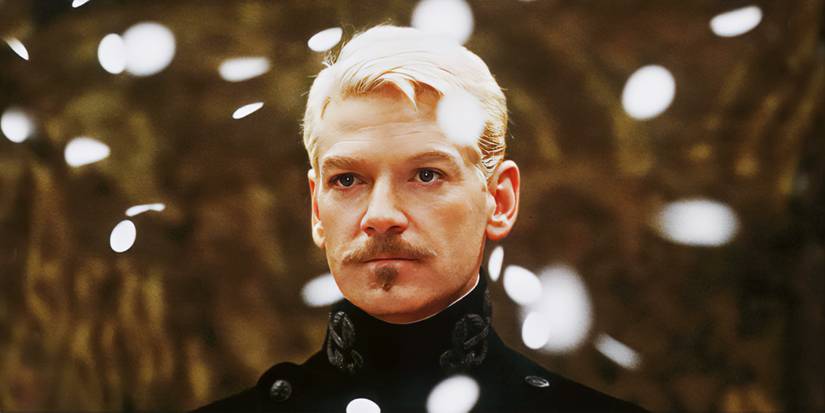
Kenneth Branagh in his 1996 film adaptation of HamletImage via Castle Rock Entertainment
There is a remarkable cast here, in Hamlet, though this film adaptation of a much-adapted play also stands out because it’s unabridged, and Hamlet is a pretty long play when you do the whole thing, it turns out. The film runs for four hours because scenes, minor characters, and subplots are not cut (and that does also give the cast a reason to be huge, when there are so many characters to play).
Otherwise, you probably know the story when it comes to this one, with Hamlet, of course, being about a prince trying to avenge the murder of his father by killing his uncle, and then everything gets very messy. If not the first story about revenge, then Hamlet might well be the most influential story about revenge, and this film version does feel like the ultimate (or at least the least compromised and least altered) adaptation in cinema history.
6
‘Until the End of the World’ (1991)
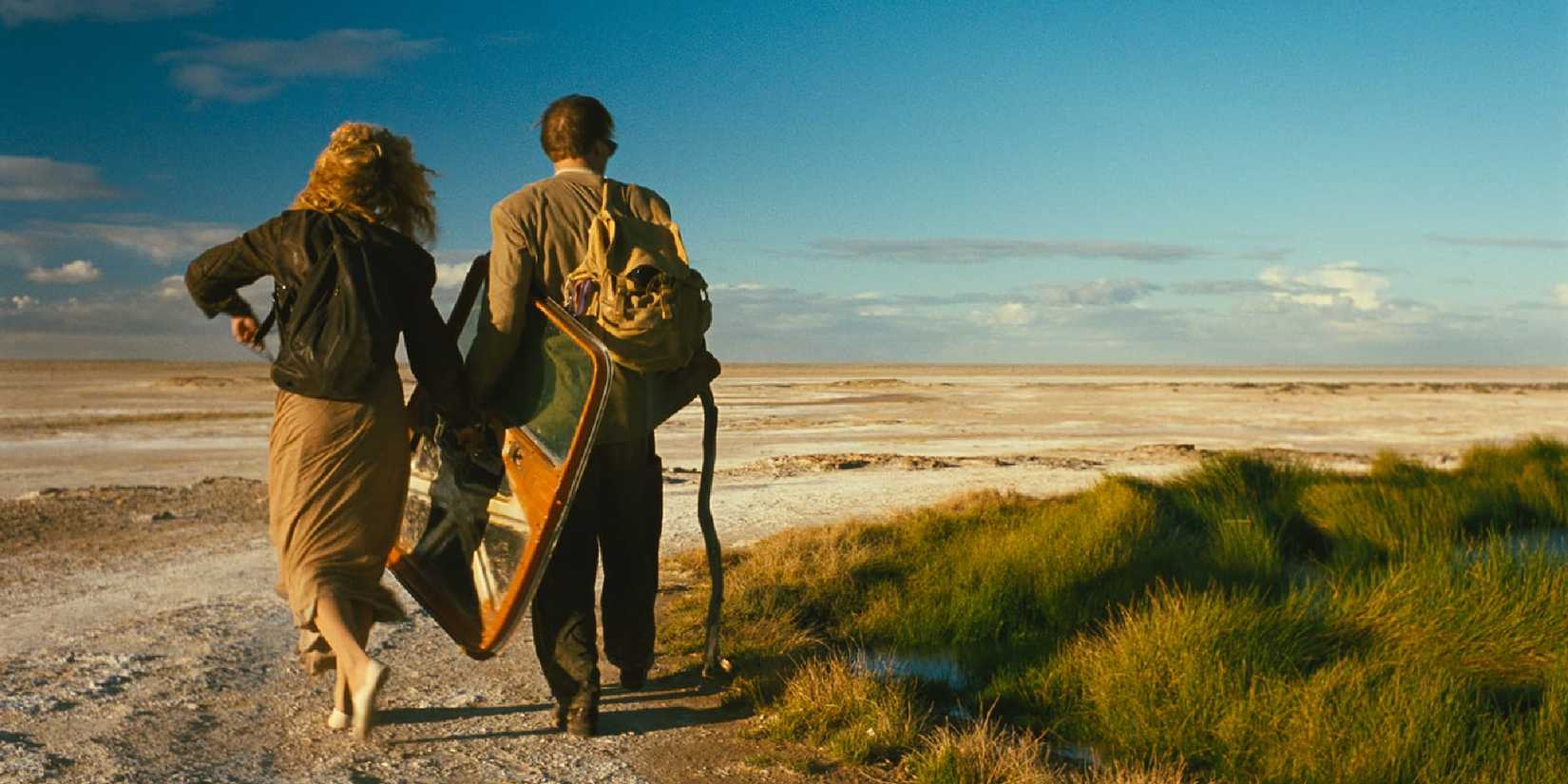
Image via Warner Bros.
Until the End of the World starts out as more of an adventure film, with it being about a road trip of sorts that goes beyond roads, and goes international. Said road trip is happening at a time when everyone is fearing the end of the world, making things not quite post-apocalyptic, but maybe pre-apocalyptic? And then it becomes more of a sci-fi film eventually, once a destination is reached.
At that point, Until the End of the World keeps things interesting by exploring certain sci-fi concepts in a way that feels remarkably forward-thinking and ahead of its time. It’s very, very long, though, even by epic movie standards. Like, the superior version of this – the director’s cut – goes for almost five hours. So, it’s tricky to recommend to people, yet so incredibly rewarding for anyone who feels able to give it a try (after finding the appropriate amount of time for it, of course).
5
‘Titus’ (1999)
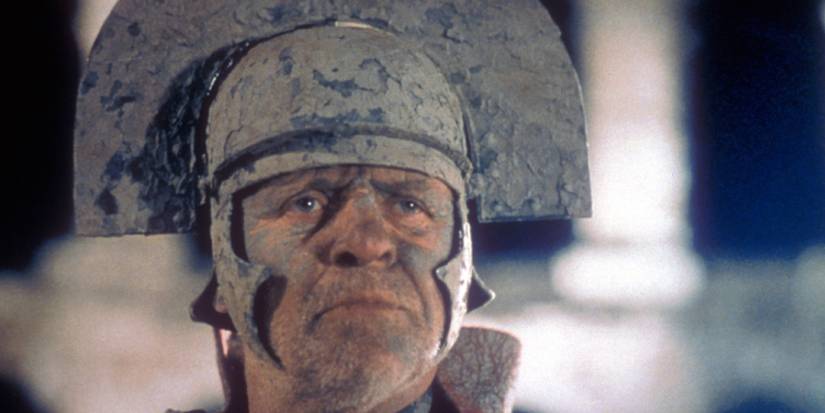
Image via Fox Searchlight Pictures
Titus is potentially the most underrated film adaptation of a play by Shakespeare, which does sound like a big call, but this is a genuinely great movie that not nearly enough people talk about. The play’s full name is The Lamentable Tragedy of Titus Andronicus, and it’s a gonzo one, with a particularly high level of violence and a truly chaotic cycle of vengeance that gets perpetuated throughout.
With Titus (1999), the runtime’s quite long, so it’s an already high level of violence that you have to endure for more than two and a half hours, which makes it undeniably heavy-going (even if the aforementioned Hamlet film from the ‘90s was much longer). Still, if your stomach’s strong enough, this is a must-watch cinematic take on a lesser-known Shakespearean play, and definitely one of the gutsiest ever made on such a scale, too.
4
‘Heat’ (1995)
A heist movie that runs for almost three hours might sound cool, by default, but then Heat, in execution, is even cooler than you’d probably hope it would be. The cast here does go a long way, especially when you’ve got Al Pacino and Robert De Niro in the lead roles, going head-to-head throughout, even if they don’t share a ton of screen time.
The former plays a determined detective, and the latter plays a similarly determined bank robber. There is a heist that gets planned, and it’s the same heist that tries to get thwarted, and yes, this all sounds very obvious, and probably like something you would’ve seen before, yet Heat is just built different, to borrow a more modern term while talking about a movie that’s more than three decades old. It does everything with a little more style and impact than was probably needed, but that extra mile, or extra miles, are very easy to appreciate, and that effort does make Heat a surprisingly easy epic-length movie to continually rewatch.
3
‘The Thin Red Line’ (1998)
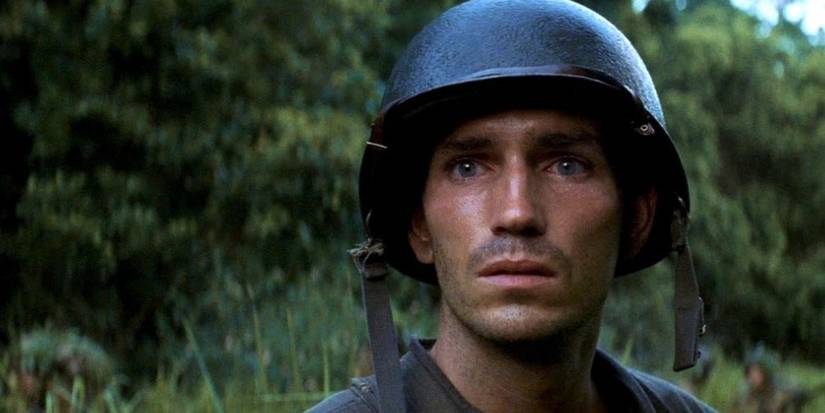
Jim Caviezel looking ahead with teary eyes in The Thin Red Line – 1998Image via 20th Century Studios
Terrence Malick hadn’t really made an epic movie before The Thin Red Line, even if Days of Heaven did feel like one, at times, in terms of the grandness of its visuals and music (still, it wasn’t much longer than an hour-and-a-half). There was also an epic-length wait between Days of Heaven and The Thin Red Line: 20 years, and Malick did indeed come back in style, and with a definite elevation in terms of scope and (arguably) ambition.
Whether it’s better than Saving Private Ryan, which came out the same year, is a matter of opinion, but even if that World War II film was better, The Thin Red Line feels like more of an epic, in the traditional sense. It balances a larger cast, tells a more complex story, and goes for something well beyond what you’d find in a traditional World War II movie. It’s also a little longer, clocking in at only nine minutes shy of three hours.
2
‘Magnolia’ (1999)
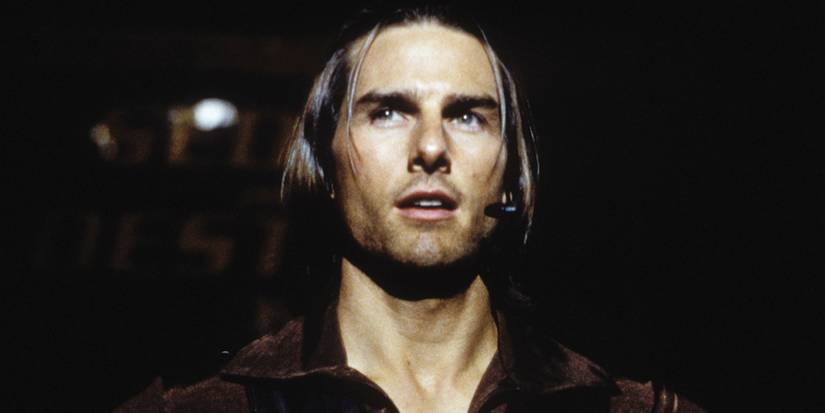
Tom Cruise public speaking in Magnolia – 1999.Image via New Line Cinema
This one’s sort of on the line of being an epic, especially because it covers quite a short amount of time, overall. Magnolia is sort of a day-in-the-life kind of movie (outside its memorable opening sequence, which jumps around in the past quite a bit), but it covers one day in the life of many people, some of whom find their paths crossing, while others don’t so much.
Paul Thomas Anderson has made plenty of films that aren’t as messy, but none are quite as sprawling or as ambitious as Magnolia.
They’re all dealing with similarly intense things, though, and then the surprising area Magnolia goes in its final act does work to unite everyone, in effect. Maybe the epic feeling comes more from how big Magnolia feels emotionally, since things are heightened and plenty of great actors get to chew a good bit of scenery (and they all do so exceptionally well). Paul Thomas Anderson has made plenty of films that aren’t as messy, but none are quite as sprawling or as ambitious as Magnolia, so it does feel special within an overall very strong filmography (great music here, too).
1
‘Titanic’ (1997)
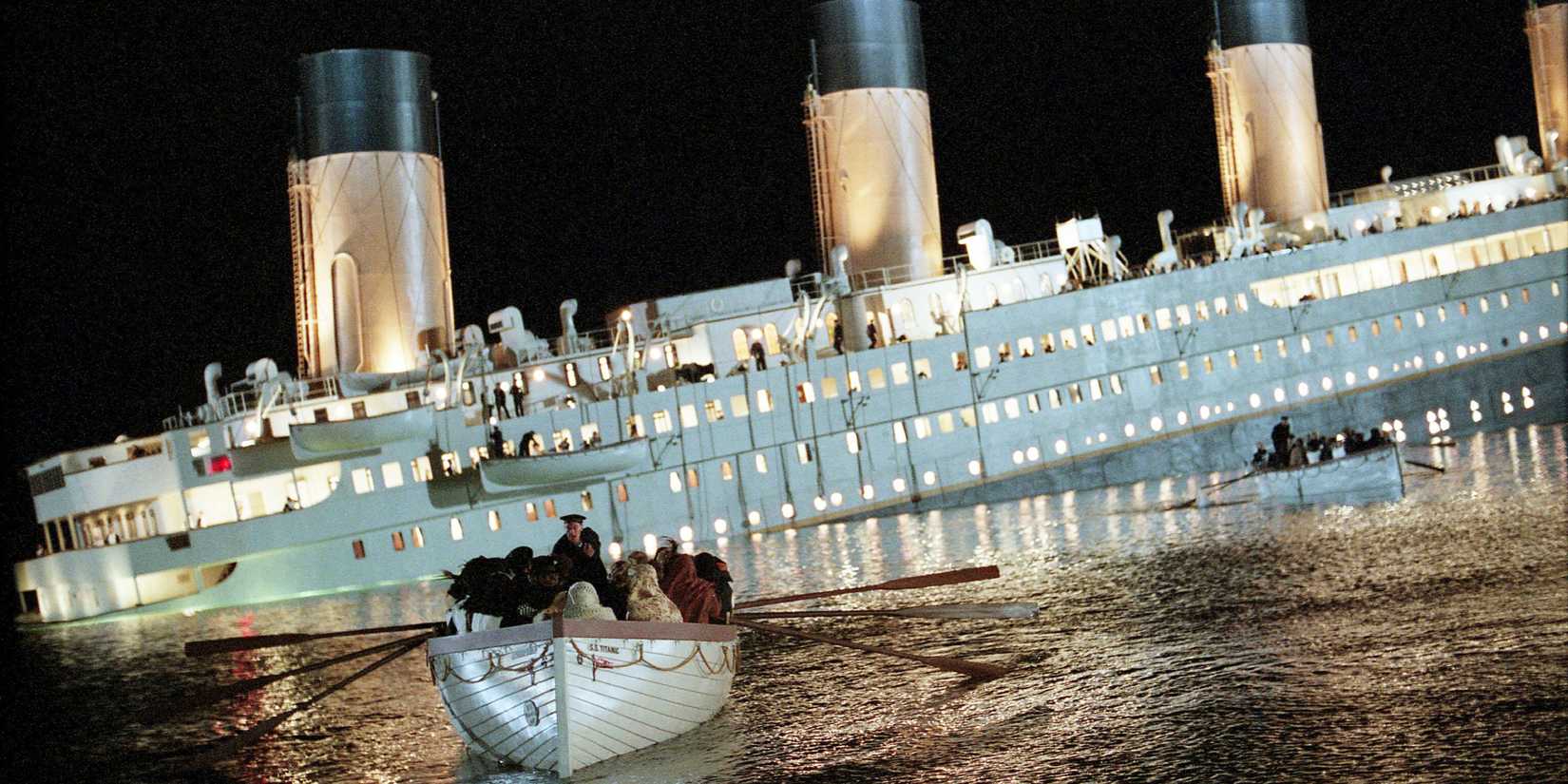
Image via Paramount Pictures
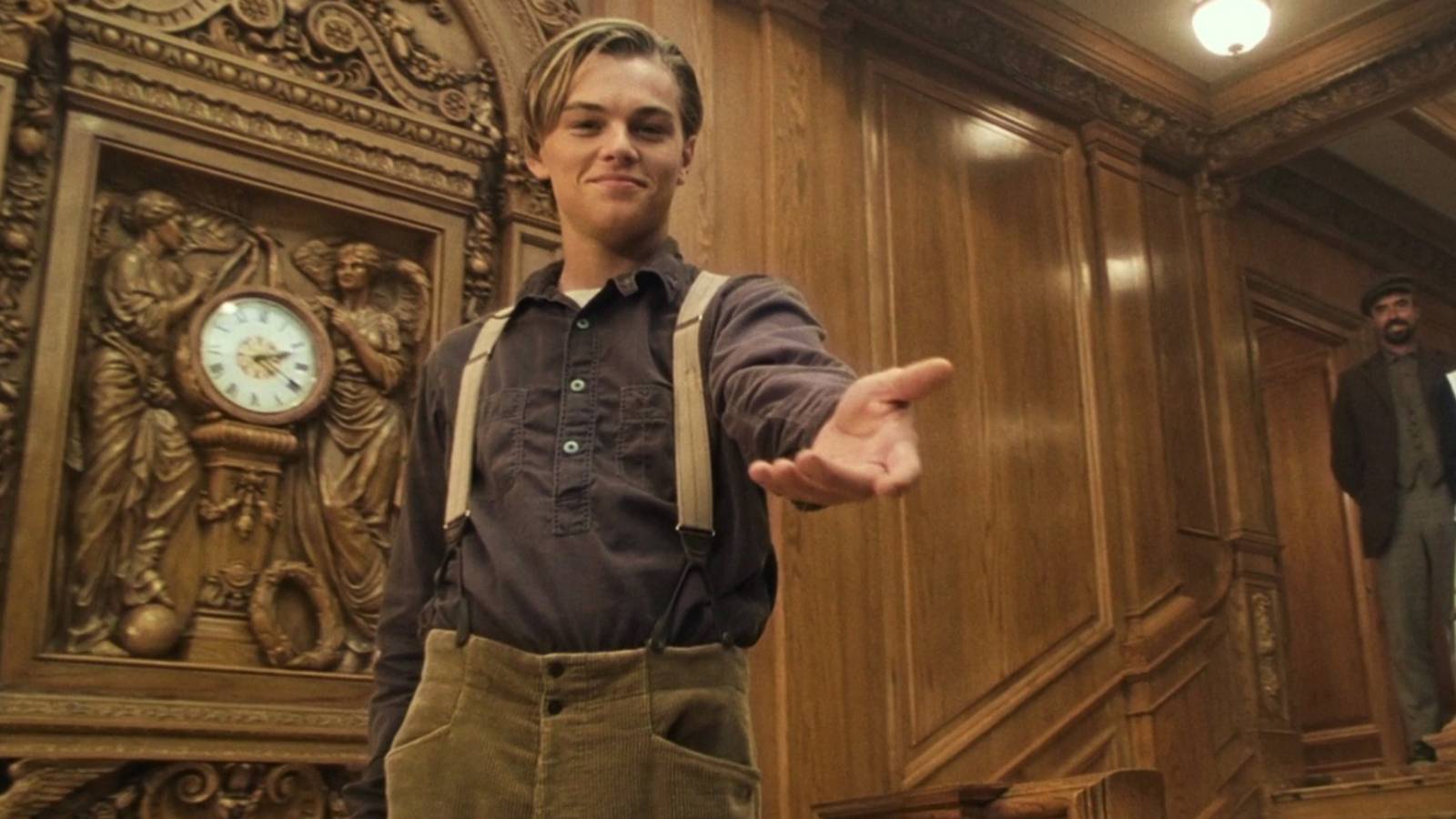
Titanic begins in what was pretty much the present day, at the time of the movie’s release, and then it doesn’t take long to travel back in time more than 80 years, to 1912. That shouldn’t be surprising, if you know even a little history about the titular ship, although, to be fair, there’s a chance that you know about the Titanic because of Titanic (1997). Still, it’s hard not to know where things are going, especially because of the way the story’s framed.
It really does work in execution, though. The events of the prologue are returned to in the epilogue in a way that’s genuinely very cathartic, and then with the bulk of the movie, you get a sweeping love story that feels believable alongside some scenes of the disaster you’d expect, all of them still looking impressive and remaining intense to this day. James Cameron usually pushes technology forward with his science fiction movies, yet he also did so here, for a period drama/disaster movie. It’s about as good – and as broadly appealing – as blockbusters get, so it feels worthy of the #1 spot here, in all honesty.
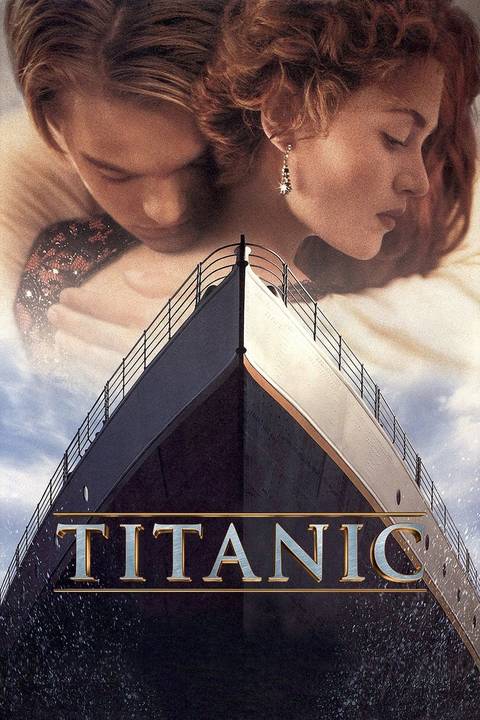
Release Date
December 18, 1997
Runtime
194 minutes