
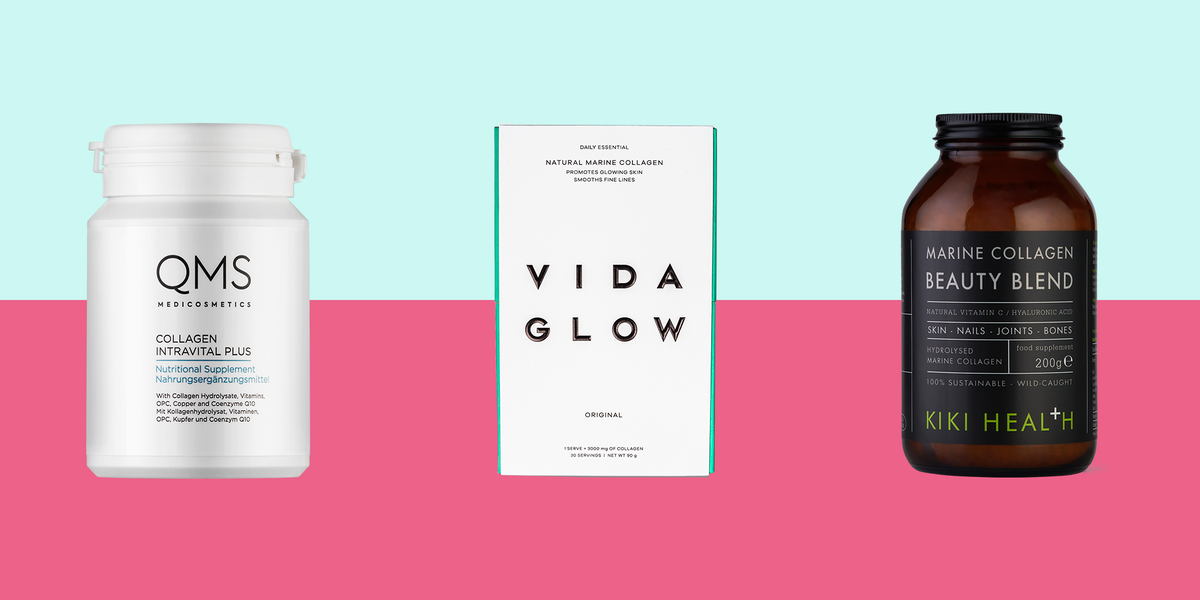
What is collagen?
Collagen is the structural protein that adds density and plumpness to our skin, making it look smoother and feel more taut.
“It’s a crucial protein found in the body, particularly in the skin, bones, muscles, tendons and ligaments,” explains medical consultant and founder of Adonia Medical clinic, Dr Ifeoma Ejikeme. “It provides structure, elasticity and strength to various tissues, making it essential for maintaining healthy skin, joints and overall body function.”
Our natural collagen production starts slowing down from our mid-20s, but if you’re keen to put the bounce back into your skin and your 20s feel like a long time ago, hope is not lost. That’s where some the best collagen supplements can help.
What do collagen supplements do?
Not only good for boosting skin elasticity, collagen can also help improve joint, bone, gut, nail and hair health. This means collagen supplements can be beneficial for tackling symptoms of the menopause and perimenopause, from aching joints to flaking nails.
The good news is that there are many ways to boost your collagen production, from topical application of collagen-promoting creams and serums, to drinking or eating the protein in the form of gummies, bars, liquid sachets or powdered drinks.
In theory, anyway. Experts don’t always agree on what’s possible – debate rages over the ideal size of collagen molecules, as well as their ability to be absorbed into the skin or to travel safely through the digestive system.
However, there’s plenty of anecdotal evidence that says collagen supplements can contribute to stronger and faster hair and nail growth, as well as noticeably plumper-looking and more resilient skin.
How do collagen supplements work?
Most drinks and supplements claim to increase collagen levels in the skin by hardwiring the protein – in the form of collagen peptides or hydrolysed collage – to go straight to the stomach. They’re then broken down during digestion into amino acids, absorbed into your system and used by your body to build collagen or other required proteins.
Collagen supplements stay in your body for around two weeks, which means you’ll only feel the effects if you use them regularly. Our tip? Make remembering as easy for yourself as possible by incorporating your chosen supplements into your morning skincare or breakfast routine.
Types of collagenBovine
The collagen in supplements is usually derived from bovine (cows) or marine sources (found in the skin and scales of fish). It’s worth noting that bovine collagen supplements have made the news for their contribution to biodiversity issues in tropical regions (from where the ingredients are sourced). If that’s a concern, you may want to consider a marine collagen.
Marine
If you’re keen to steer clear of bovine collagen, we recommend opting for a marine collagen supplement instead. We’ve distinguished between them in our ‘key specifications’ boxes below to make your research that little bit more manageable.
Vegan
The rise of vegan collagen is also making waves in the market. These supplements don’t actually contain collagen as it isn’t vegan, but some claim to replicate the amino acid profile of type 1 human collagen, or they contain ingredients such as vitamin C, which help promote collagen production. We don’t have any vegan supplements on our tried and tested list currently, as they’re still fairly new.
How long does it take for collagen supplements to work?
We tested collagen supplements for three months (12 weeks), as most brands claim this is how long it takes to see real, tangible results.
Are collagen supplements safe?
“Collagen supplements are generally safe for most people when taken as directed,” says Dr Ejikeme. “However, some individuals may experience mild side-effects, such as digestive discomfort, bloating or mild allergic reactions.”
She adds: “It’s essential to follow the recommended dosage and consult with a healthcare professional if you have any concerns.”
What age should you start taking collagen?
You can benefit from topping up your natural collagen supplies from your mid-20s onwards, when collagen levels naturally start to fall, but it’s particularly helpful during pre- and post-menopause.
What is the best form of collagen to take?
The best form of collagen to take depends on a few things. It’s important to consider the flavouring and format (powder or capsule) as this will likely relate to how consistent you are with taking them.
It’s also important to consider your dietary needs, as marine or bovine collagen wouldn’t be suitable to those on a plant-based diet.