

Listen to this article
Estimated 6 minutes
The audio version of this article is generated by AI-based technology. Mispronunciations can occur. We are working with our partners to continually review and improve the results.
It’s business as usual at the QEII Health Sciences Centre reference lab in Halifax as sample tubes snake their way along a conveyor belt.
Less than two months ago, some work at this lab and in other parts of the central health zone was scaled back as One Person One Record (OPOR), the province’s new clinical information system, went live in the Halifax area.
And while there was much concern and trepidation leading up to the May 9 launch, staff in the system say things have been smoother than they might have anticipated.
Outpatient blood collection was scaled back by 50 per cent to give staff time to adapt to the new system, but the director of pathology and lab medicine for the central zone said they were already ramping back up within two weeks and they’re now back to 100 per cent capacity.
“Our staff felt comfortable and they were doing really, really well as a group,” Randy Veinotte said in a recent interview.
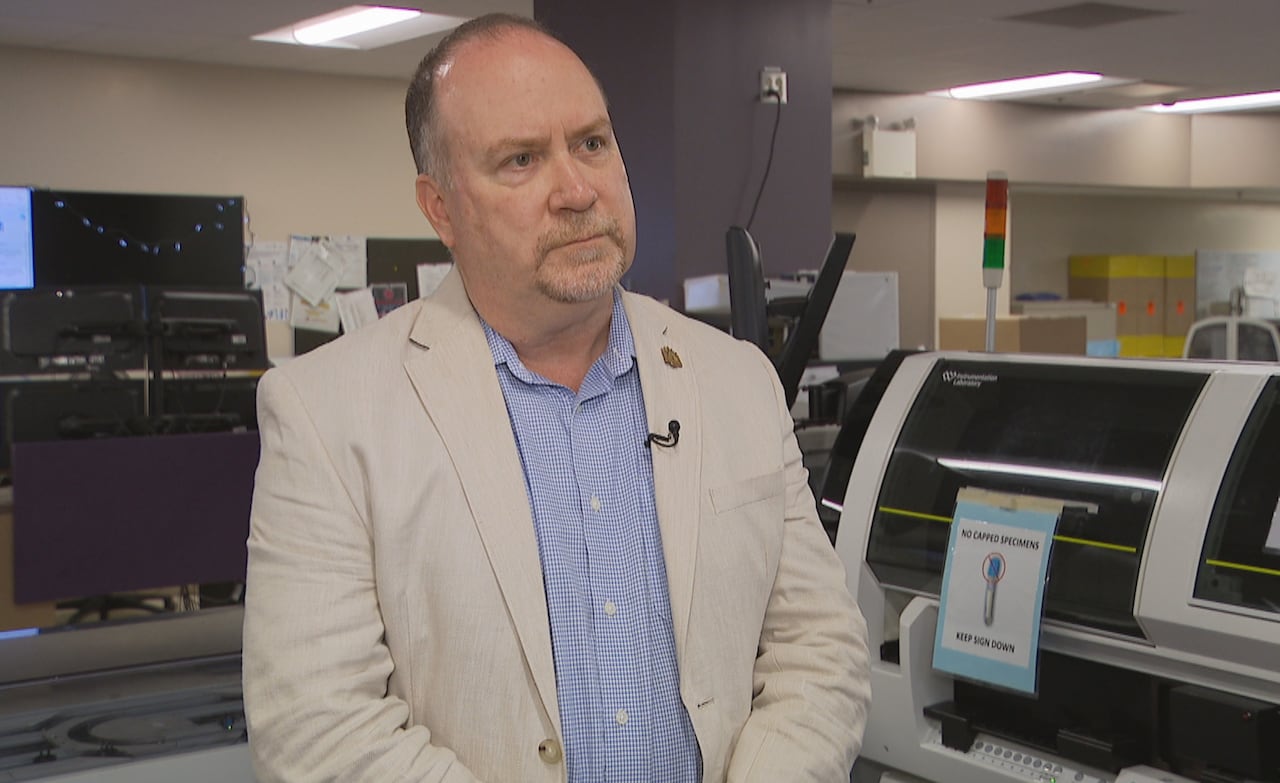 Randy Veinotte is the director of pathology and lab medicine for the central health zone. (CBC)
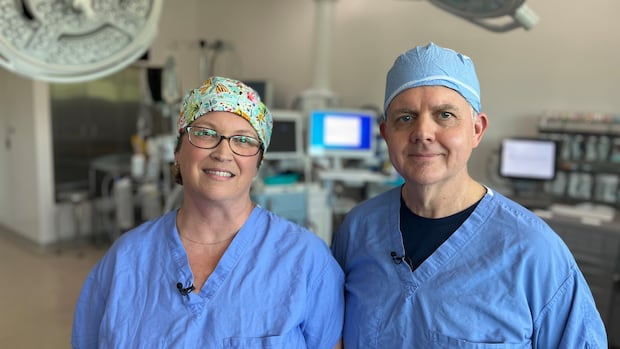
Things are also back to full capacity in Dartmouth General Hospital’s operating rooms. Non-urgent and non-emergency surgeries were paused and scaled back to give doctors, nurses and other staff in the operating rooms time to get up to speed.
Dr. Scott Mawdsley, chief of surgery at Dartmouth General, said that decision was key and allowed things to ramp back up sooner than might have been expected.
“What I was really proud of was how well everyone worked together and learned the new system and supported each other, and we were back up to full capacity in less than five weeks.”
One Person One Record allows clinicians to see a patient’s file and work with it simultaneously, rather than having to wait to retrieve paper charts or receive test results. The new clinical information is also a wholesale workflow change for most people in the system, which requires extensive training and prep time, and that transition has not been without challenges.
Learning from previous problems
The general experience in the central zone is a marked difference from the feedback that followed the initial launch of the system at the IWK Health Centre last December, when reports of orders and records going missing and long waits persisted as people struggled to adapt.
Mawdsley, Veinotte and others agree that people who work in the central zone benefited from the experiences of their colleagues at the IWK.
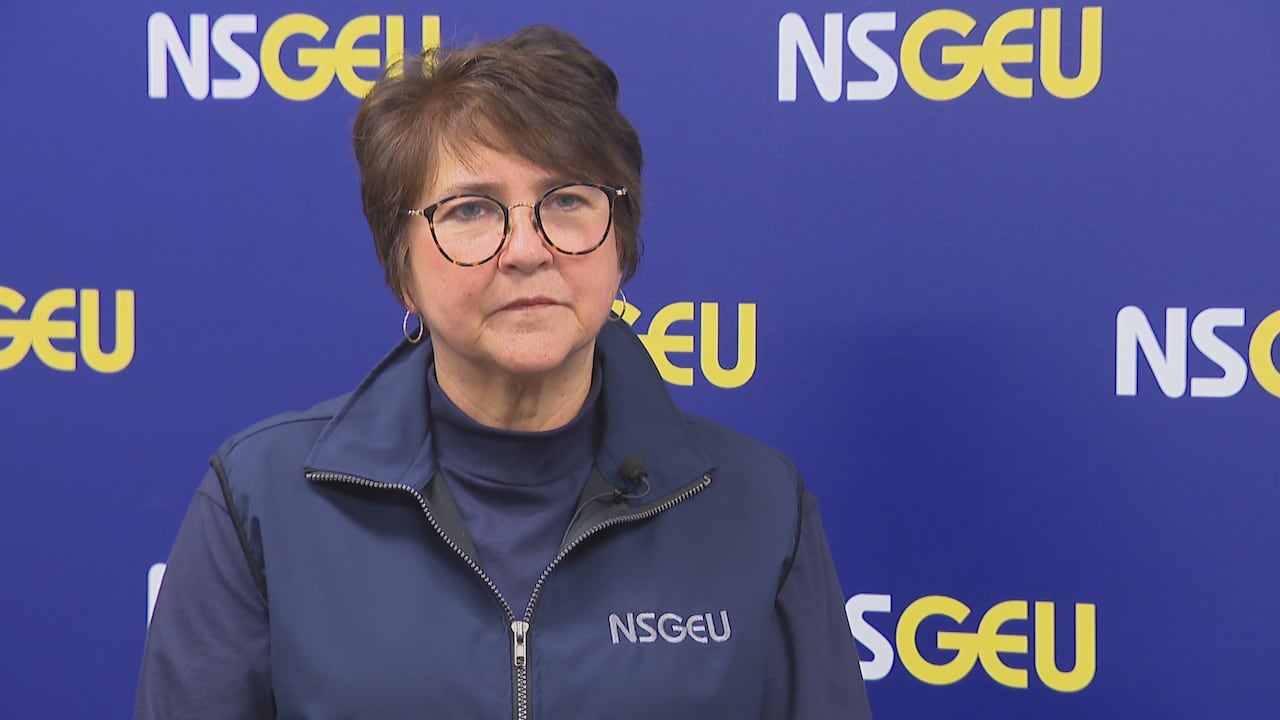 Sandra Mullen is the president of the Nova Scotia Government and General Employees Union. (Sebastian Asprey/CBC)
The difficulties there were documented by the Nova Scotia Government and General Employees Union in a report released ahead of the second launch. At the time, some union officials and opposition leaders said there were enough questions and concerns that the central zone rollout should be delayed until outstanding issues could be resolved.
Looking back, NSGEU president Sandra Mullen said the ability of workers to learn from colleagues already using the system — and the willingness of Nova Scotia Health officials to listen to union concerns — helped the situation.
“I do believe that they are listening and that the other side of it is that they’ve done better at NSH in that rollout,” said Mullen.
“The training and so on is being supported and all of the concerns that they saw with IWK, definitely the members are feeling somewhat better about that.”
Mullen said it will be important for ongoing concerns ahead of the final launch to continue to be addressed, including whether the system is as updated as it needs to be and that any unnecessary burdens that get in the way of care are removed.
Remaining health zones go live Nov. 14
Nova Scotia Health officials decided recently that all remaining health zones will now go live with the new system at the same time, on Nov. 14.
“This coordinated rollout reflects a shared commitment to minimizing interim workflows and supporting a timely, collective transition to the new system,” Tanya Nixon said in a statement.
Nixon, the Nova Scotia Health vice-president assigned to the OPOR project, said rolling out the new system in stages has allowed for improvements and incorporated feedback after each launch.
Dr. Ashley Miller, a general internal medicine specialist and chief medical information officer for the Nova Scotia and IWK health authorities, has already witnessed the improvement from the first launch to the second.
Miller said everyone knew making the switch was going to be a massive change, but “we probably underestimated how much of a change it is for that first site to go live.”
“They really took on this immense challenge of being first to go live and they were doing it without a lot of support,” she said of people working at the IWK.
“We didn’t have any local clinicians who had really done this before. So we were relying on our IWK colleagues to bear the brunt of that immense change, and they felt it.”
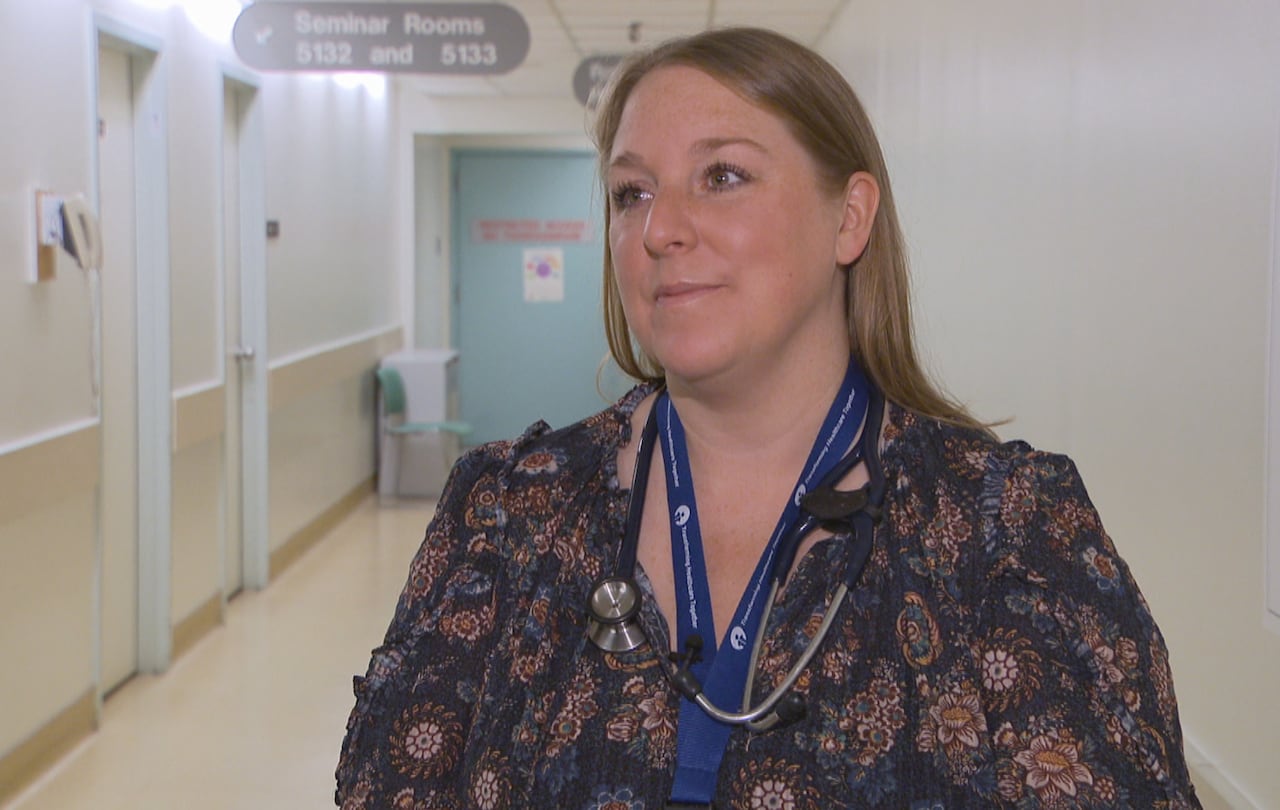 Dr. Ashley Miller is a general internal medicine specialist and chief medical information officer for the two health authorities. (CBC)
Everyone agrees that such change comes with a large learning curve, but Miller and others say it makes a major difference when a colleague who understands local workflow is able to share their experience. That same approach will go into preparing for the final launch of the system in the rest of the province in November, with a continued emphasis on workflow.
Despite the challenges, Miller, Mawdsley and Veinotte all say the end result of a single record that all providers can access when they need to and see updates in real time will reduce duplication and lead to improved patient care.
“So it really transforms us toward that team-based care model that we’ve been striving for but wasn’t really facilitated by paper,” said Miller.
MORE TOP STORIES