

With the launch of the new Orbea Orca Aero at the Lotto Intermarché team presentation, just ahead of Saturday’s start of the Tour de France, comes bold claims. Orbea says its new aero bike gives a rider a 21-W advantage compared with the previous model. That’s a big number. It’s also curious that Joseba Arizaga, Orbea global road product manager, would be comfortable with such a hefty figure.
“Often, I am super surprised to hear from other brands that say they’ve been capable of reducing 25 to 30 W just in a frameset,” Arizaga said at a recent presentation of the Orbea Orca Aero. “This is a marketing approach because, really, if you are capable of improving 25 W in one frameset, this is a huge difference that could take the guy who finished 20th in last year’s Tour de France to winning this year’s Tour. When you really understand the data, you know it’s not possible.”
So what does Orbea mean when it says a “21-W advantage?” Does that number jive with Arizaga’s no-nonsense approach to figures? Or are there claims in there as slippery as wind passing a truncated airfoil?
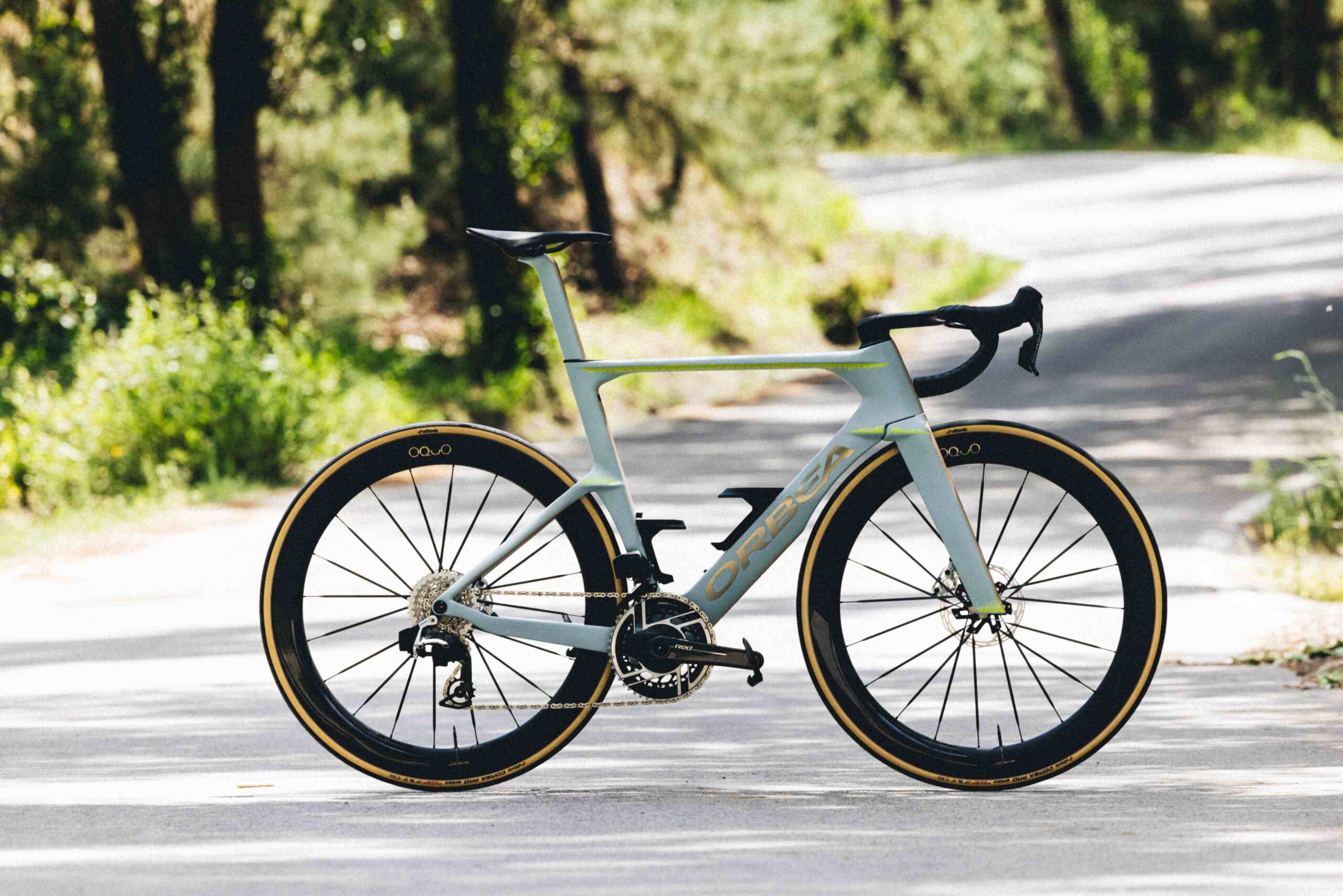 Orbea Orca Aero
The improved aerodynamics of the Orbea Orca Aero
Let’s look carefully at the language around the big numbers. Arizaga is suspicious of aero improvements to a bike frame and fork that are in the realm of 25 to 30 W. Rightfully so. When Cervélo launched its new S5 in 2025, it said it eked out around 6 W of aero gains through drivetrain and wheel choice as well as a new one-piece bar/stem. While Cannondale didn’t present the aero improvements of the new SuperSix Evo in watts—it opted to stick with only CdA numbers—the savings were expressed in hundredths and thousandths of decimal places.
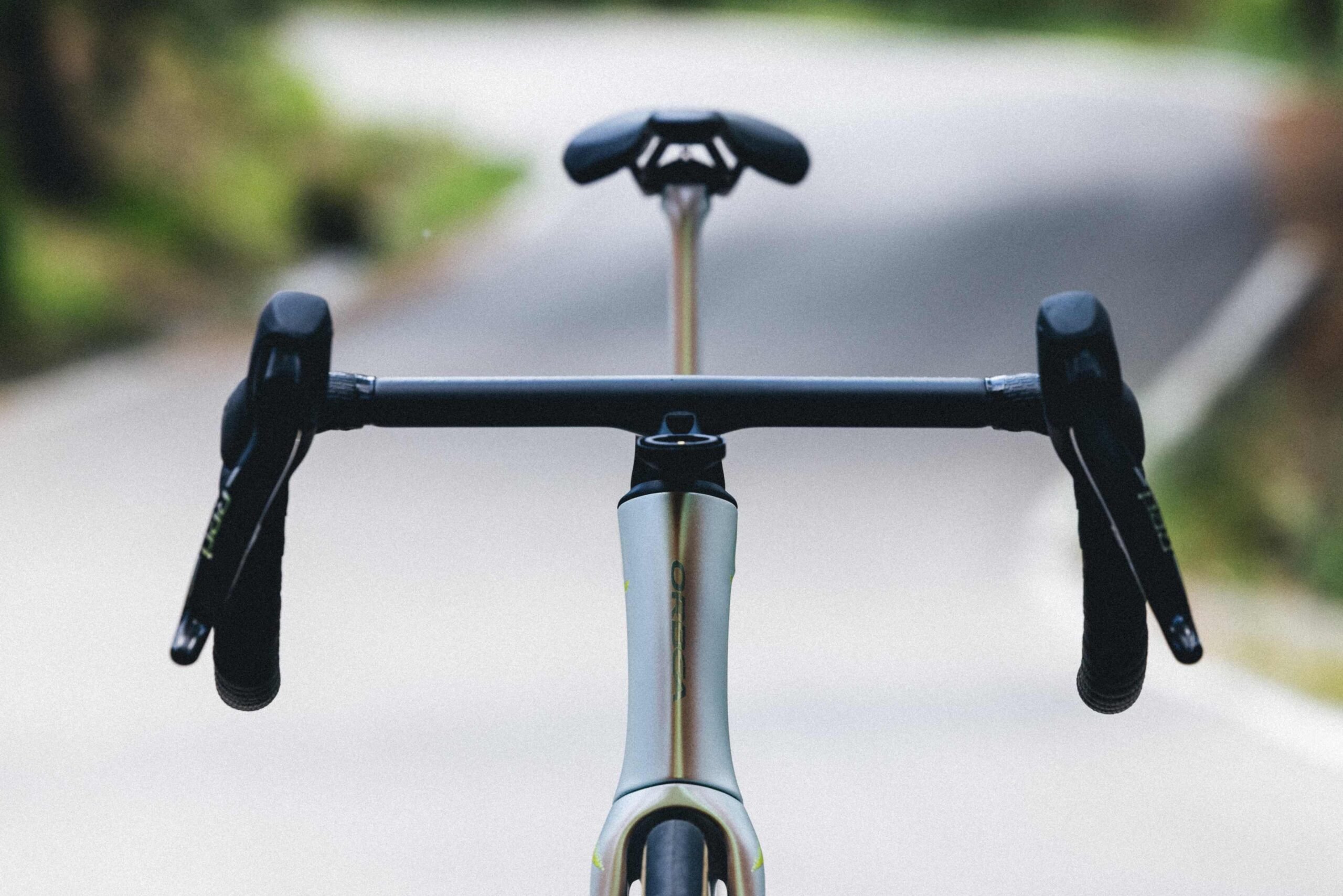 The Orbea Orca Aero sports a one-piece bar and stem. It comes in 13 sizes. Actually, there are an additional 13 sizes that the pros have access to.
The first Orbea Orca Aero came out in 2017. The second generation bike, model year 2022, is what Arizaga and his colleagues were trying to improve upon. When he broke down the aero gains of the new frameset only, he said the drag reduction is 5.1 W when travelling at 50 km/h. Now there’s a figure that passes the sniff test.
The Orca Aero has a redesigned fork. Its head tube is narrower and longer, the length reflecting a tread you see in other aero road bikes. Down at the bottom bracket, Pinarello fans will see something somewhat familiar: a keel. The keel on the Orca Aero is more pronounced than that on the Pinarello Dogma F.
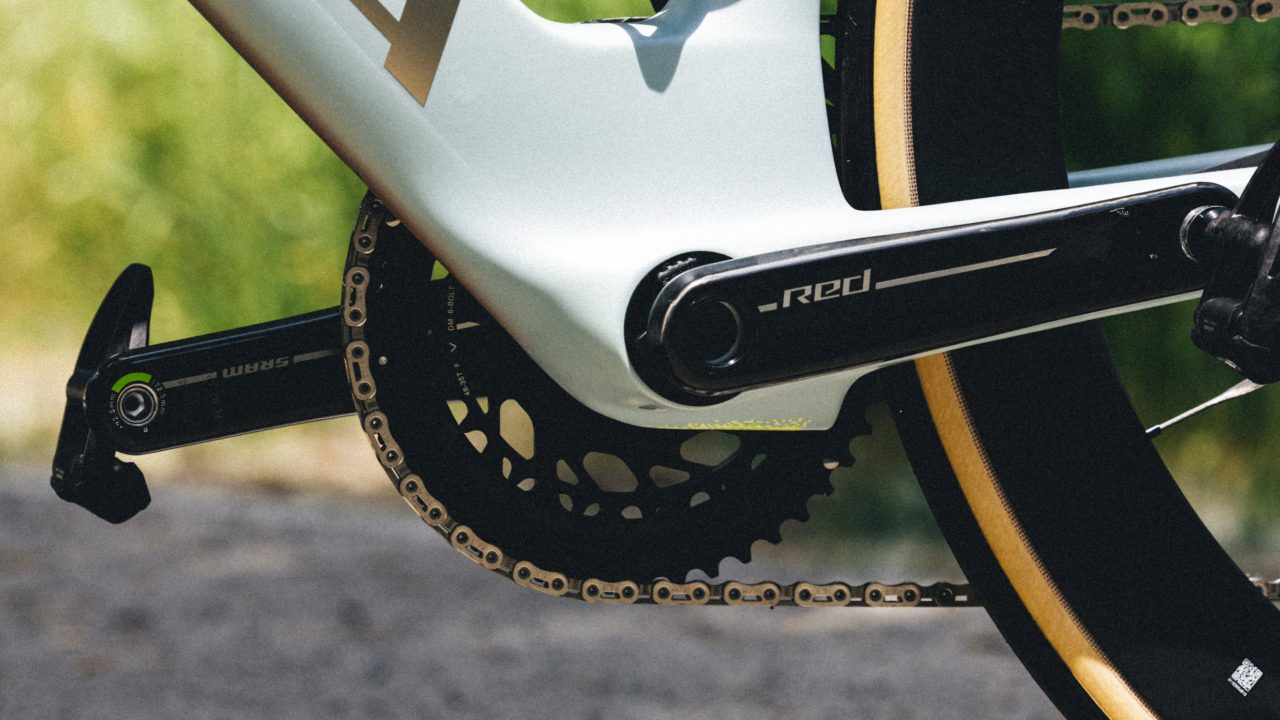 At the bottom bracket juntion, the Orbea Orca Aero has a keel for aerodynamics.
The wider Orbea Orca Aero system
If the frameset of the new Orca Aero saves you 5.1 W, where do the other 15.9 W of savings come from? Orbea finds those gains through its “total systems approach.” The phrase reminded me of the 2024 launch of the Trek Madone, in which the Waterloo, Wisc., company spoke of its “full system foil” look at bike design. Where Trek was looking at the aerodynamics of the bike as a whole, that is, not simply tubes in isolation, Orbea is looking at all the gains beyond the frame, some aero and some related to material or components.
Let’s take the Orca Aero’s bottom-bracket drop. At 78 mm for the four smallest frame sizes (and 76 mm for the largest three), Orbea says the Orca Aero has the lowest drop on the market. The company said it could go lower because the trend of wider tires, 28 to 32 mm, raises the BB higher than the narrower tires that used to be more commonplace. Also, the short-crank trend (170-mm cranks on the size 53) allows designers to lower the BB without the fear of pedal strikes. (Arizaga said his team tried out an 82-mm BB drop, but that was simply too much.) This change boosts overall bike stability.
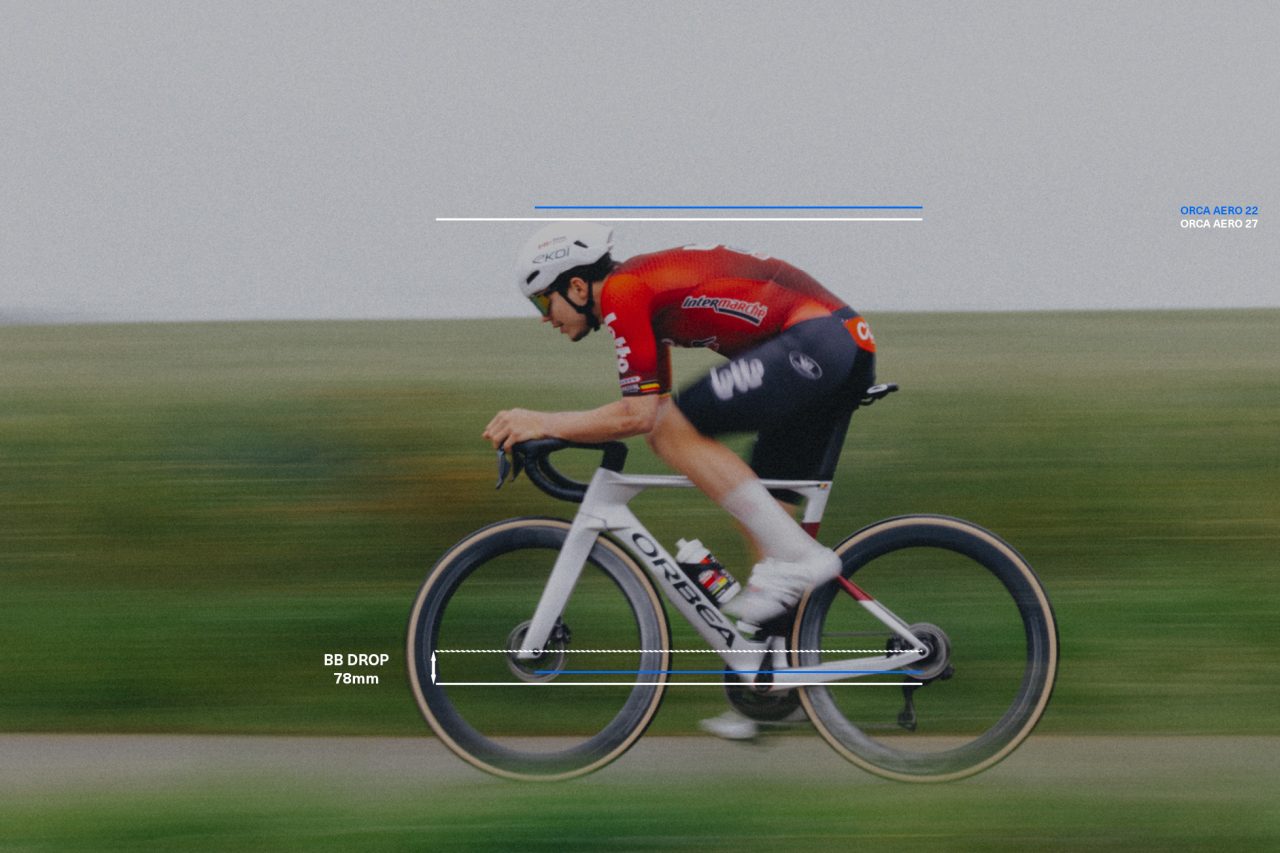 The Orbea Orca Aero has a lower bottom-bracket drop, which makes the bike more stable and which helps contribute to its overall aero gains.
With the increased drop came a decrease in stack to ensure the rider stays in the same position. Orbea argues that getting lower overall improves aerodynamics. Also, the changes make for a more compact frame compared with the outgoing one, which means less material per frame and a lower weight. A size 53 Orca Aero, which fits riders 173-to-179-cm tall, has a frame of 900 g, a fork of 410 g and a 160-g seatpost. The frame’s stiffness has also increased, so with that improvement and the weight reduction, you get a 2 W saving travelling at 17 km/h on an 8 per cent grade.
The BB drop thus has a number of implications that lets Orbea find a “total systems” improvement. Other such gains include optimization of the saddle cradle, bringing the saddle closer to the top of the seatpost, and designing the frameset to work best with tires 29-to-35-mm wide. There is clearance for treads as wide as 37 mm, but at that size the aerodynamics diminish.
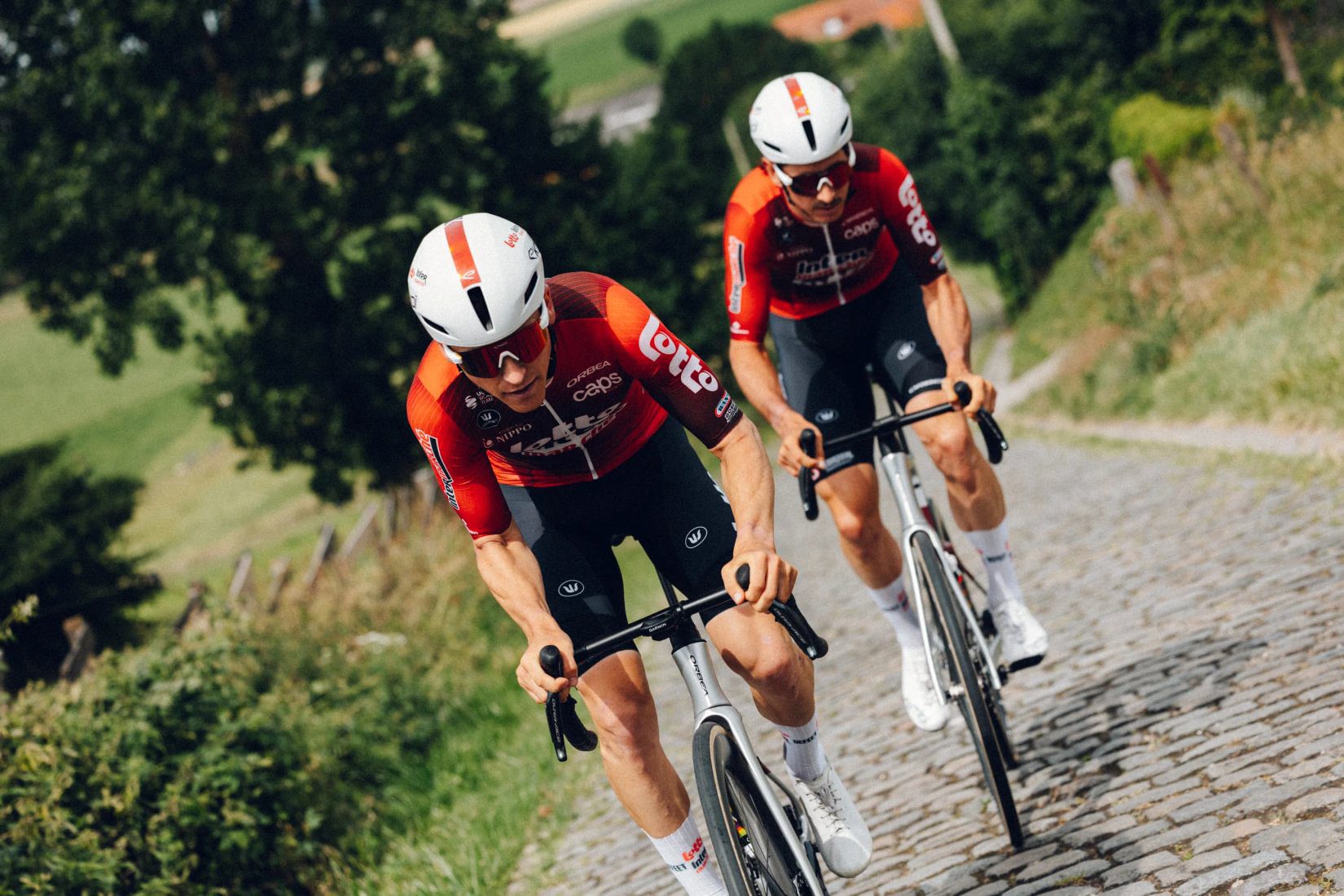 The Orbea Orca Aero offers tire clearance as wide as 37 mm.
Something you won’t see in WorldTour races is a feature called the Service Box. It’s a fairing that attaches to the underside of the down tube that not only improves aerodynamics, but holds small tools and a spare tube. The Service Box is something that triathletes and even everyday riders can employ.
The water bottle problem
Water. It’s a problem. A rider needs it, but it adds mass to a bike. Also, cylindrical water bottles mess up the airflow around aero frame tubes. Companies such as Trek and Cannondale have gone so far as to create water bottles that work with the aerodynamics of their bikes. Orbea did the same with the 2022 Orca Aero.
I’m not a fan of the proprietary water bottle. It requires a little bit more attention to get an aero bottle in its cage. I’m sure with time and practice, you could pop such a bottle into place almost as easily as a regular bottle, but, I confess, I really don’t want to think about the orientation of the bottle, not even a little bit.
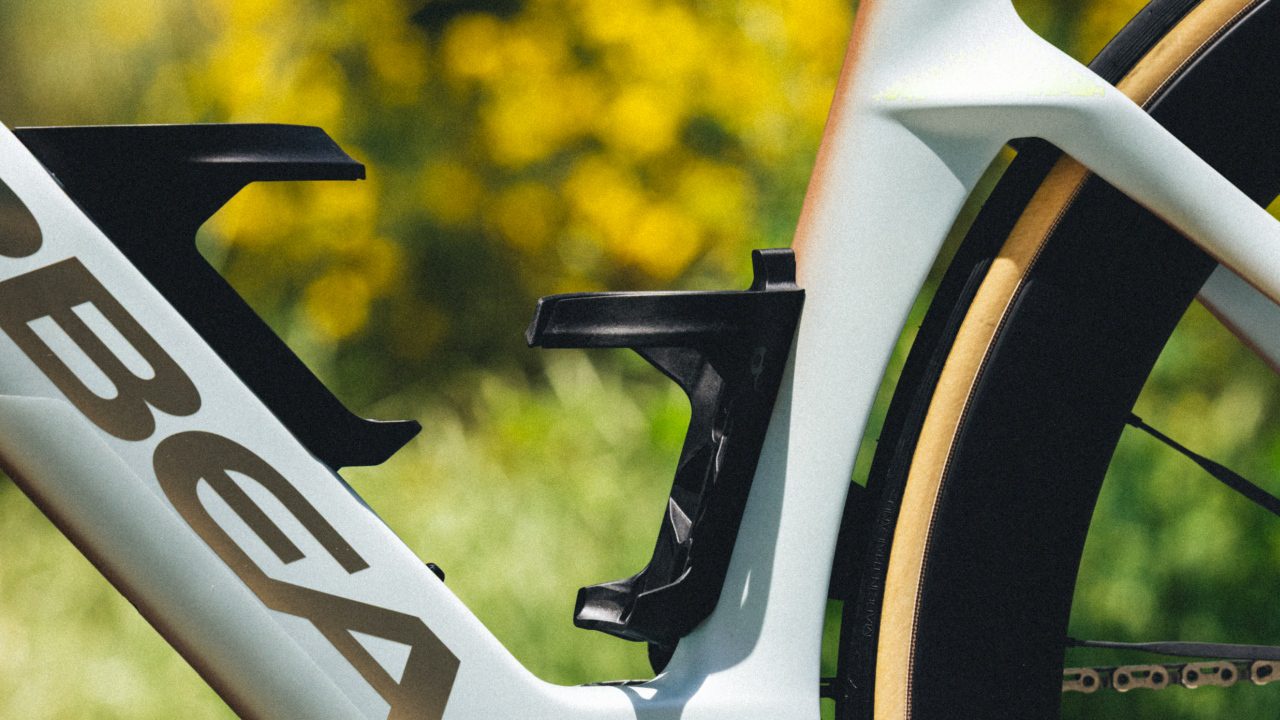 The new bottle cages of Orbea Orca Aero improve aerodynamics while remaining easy-to-use.
“It was super narrow and efficient,” Arizaga said of the 2022 Orca Aero’s bottle, “but we realized that from the logistics point of view, there was no way to use the aero bottle in competition. It’s not practical. It’s not easy to handle in terms of ergonomics.” For the new Orca Aero, you can bring your regular water bottles. The bike is outfitted with new Flush bottle cages, set as low on the frame as they can go, to balance aerodynamics and convenience.
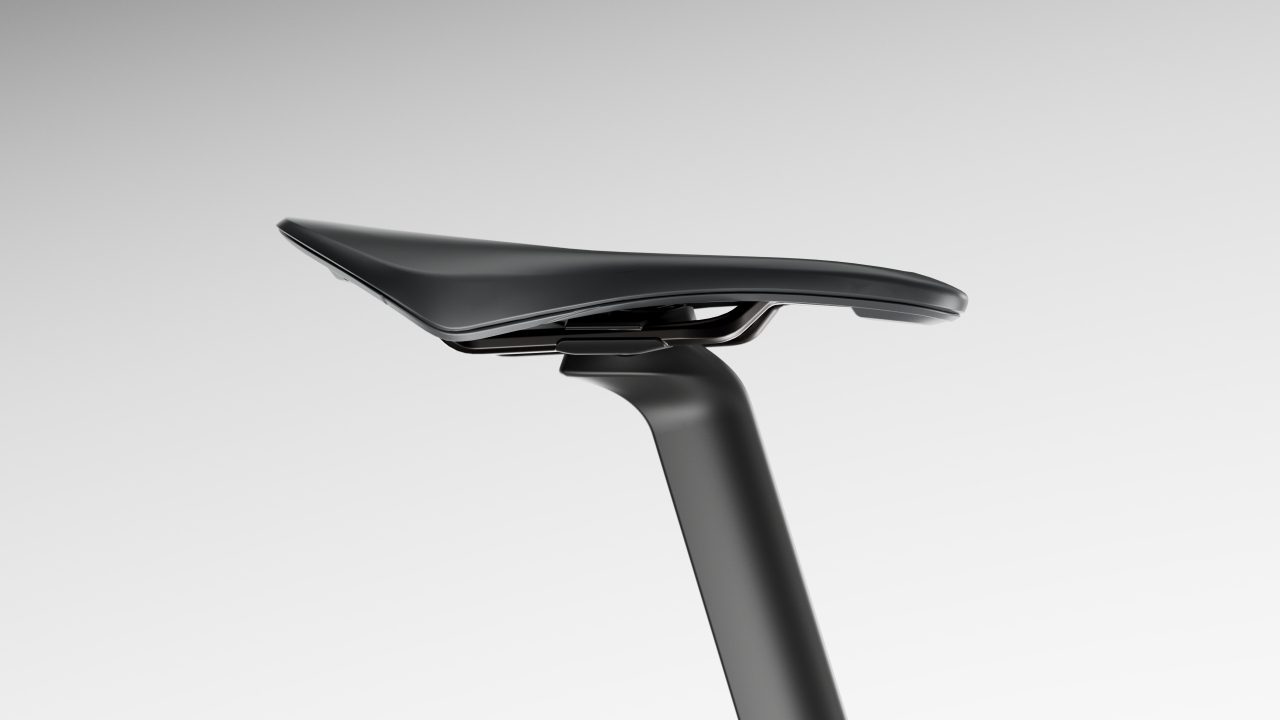 The Orbea Orca Aero’s saddle cradle keeps the saddle close to the seatpost for aerodynamics and esthetics.
The verdict on the 21-W advantage claim of the Orbea Orca Aero
So, what do I make of the 21-W advantage claim? Well, Arizaga’s own analysis is pretty fair.
“Let me be honest,” Arizaga said, “at the end of the day, these numbers are rarely going to happen or are not going to happen together. The aero numbers are taken at 50 km/h, but when you are climbing the Mortirolo, even a pro rider’s speed is going to be 12 km/h. If you are on the cobbles, you are going to have a benefit from the tire clearance, but at the same time you are penalizing the aerodynamics because from 35-mm-wide tires on, you have a kind of penalty because of the tire width.
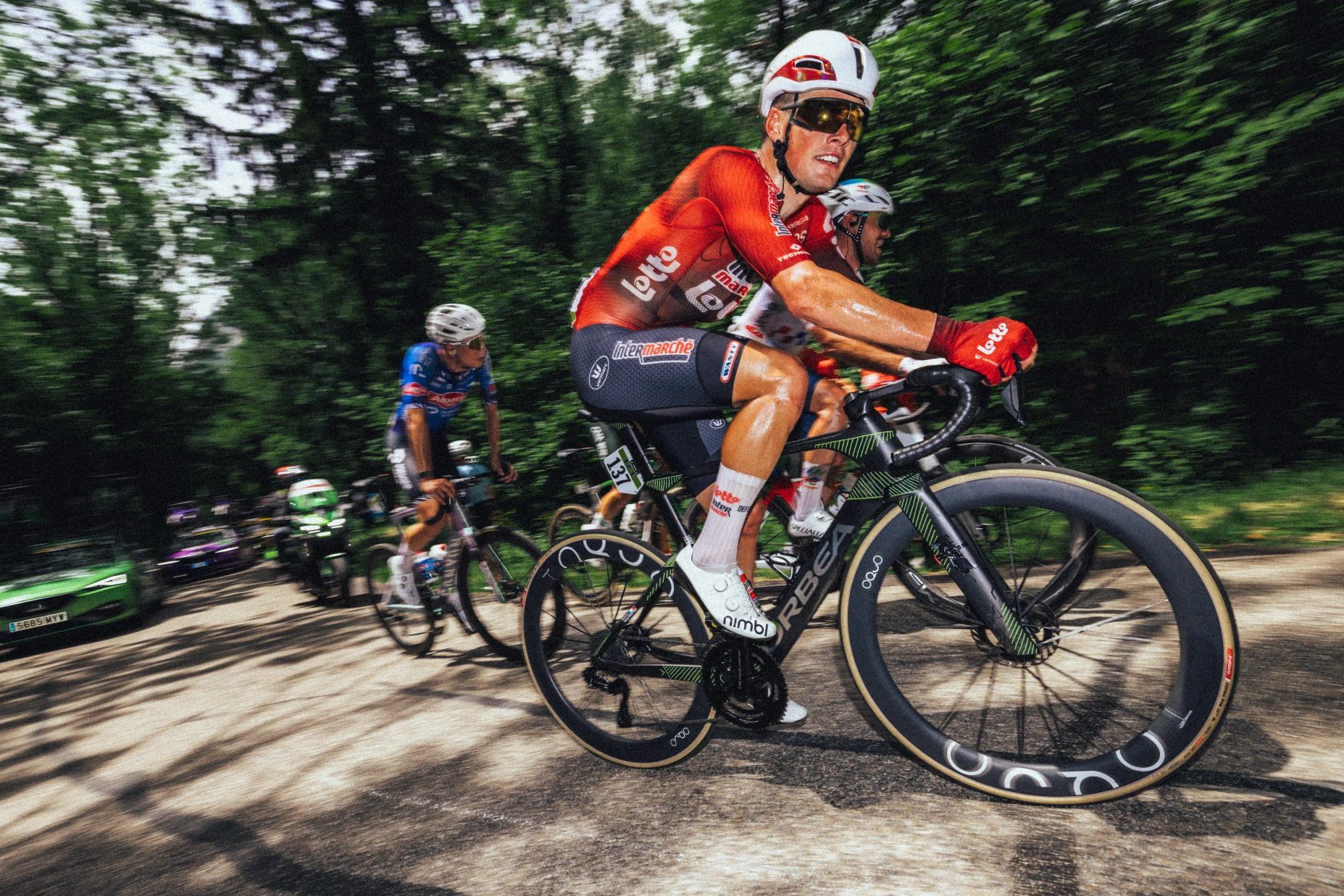 Orbea Orca Aero in competition.
“It is not fair to say that this is always the advantage. The different advantages happen sometimes in certain conditions. But, at the end of the day, you need to prove that your bicycle is faster. You need riders to see the benefit compared to the previous generation of the Orca Aero.”
A new Orbea Orca Aero is on its way to Canadian Cycling Magazine. Soon I’ll be testing it to see how its blend of features truly adds up.
Canadian pricing for the Orbea Orca Aero
Orbea Orca Aero model
Notable spec
Price
M10i LTD
Shimano Dura-Ace R9200 Di2 with power meter, Oquo Road Aero RA57LTD wheels with carbon spokes
$15,399
M11e LTD
SRAM Red AXS with power meter, Oquo Road Aero RA57LTD wheels with carbon spokes
$15,399
M21e LTD
SRAM Force AXS, Oquo Road Performance RP50LTD wheels
$10,499
M20i LTD
Shimano Ultegra R8100 Di2, Oquo Road Performance RP50LTD wheels
$9,379
M22 LTD
Campagnolo Record, Oquo Road Performance RP50TEAM wheels
$9,332
M30i LTD
Shimano 105 R7100 Di2 with left-side power meter, Oquo Road Performance RP50TEAM wheels
$7,979
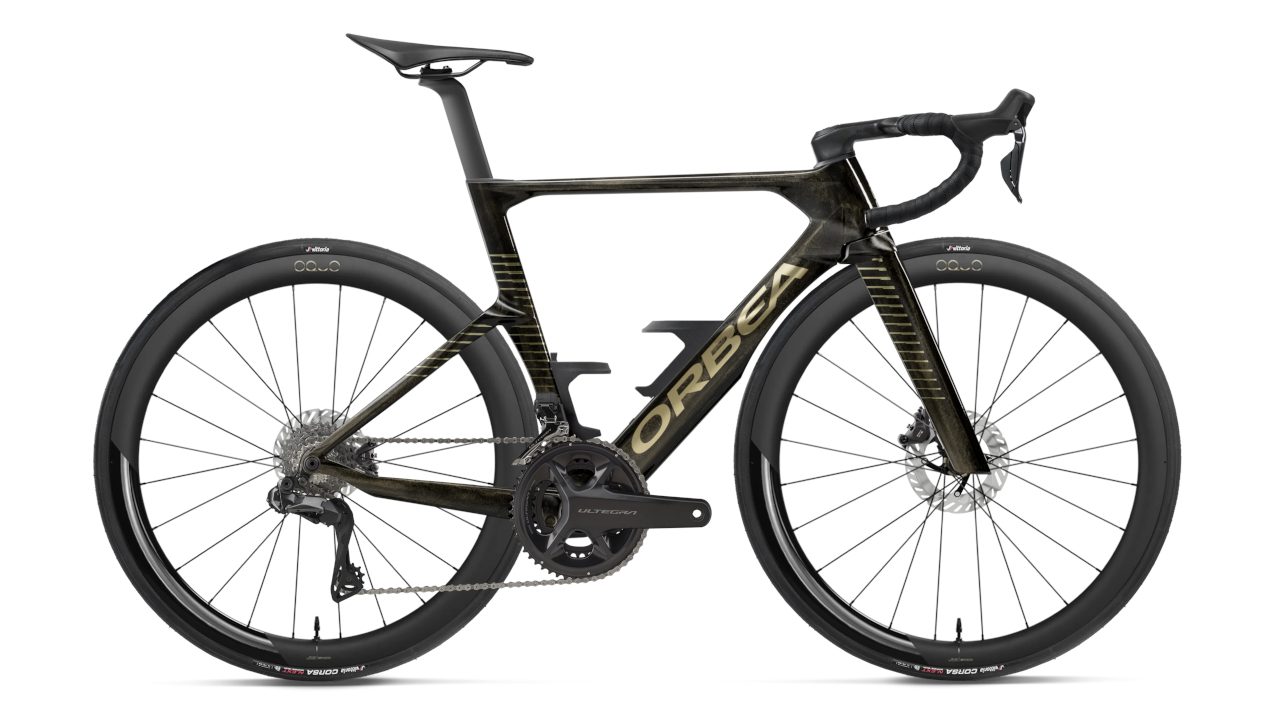 Orbea Orca Aero M20i LTD with Shimano Ultegra R8100 Di2 and Oquo Road Performance RP50LTD wheels.
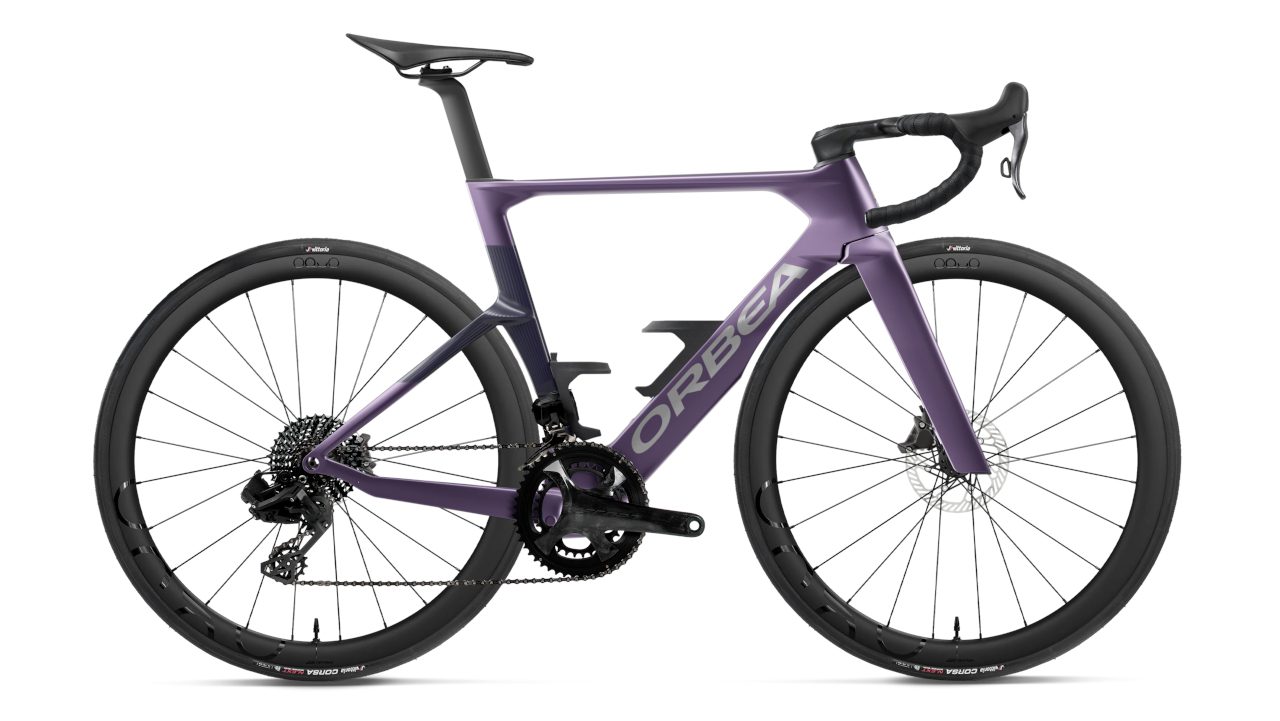 Orbea Orca Aero M22 LTD with Campagnolo Record and Oquo Road Performance RP50TEAM wheels.