


Listen to this article
Estimated 3 minutes
The audio version of this article is generated by AI-based technology. Mispronunciations can occur. We are working with our partners to continually review and improve the results.
If you’ve ever had a question about nutrition, there’s a decent chance you’ve sought out an answer on YouTube.
But you may want to bring a little skepticism with you based on a new peer-reviewed study that took a closer look at who is giving that advice.
A team of nine researchers looked at 400 videos from the top 40 channels related to nutrition on YouTube.
Lead researcher Leah Cahill, a registered dietitian and associate professor at Dalhousie University, said more than a quarter of the content creators had no formal training in anything nutrition-related, while less than a quarter had training as a doctor or registered dietitian.
“I get a lot of questions from people about things that they’ve heard on social media and they’re not sure and they want to check it out with me, so that’s why we conducted this study,” Cahill told told CBC News: Compass host Louise Martin.
“We wanted to see for ourselves what kind of nutrition advice was out there.”
WATCH | There’s lots of nutrition advice online, but how much of it comes from qualified experts?: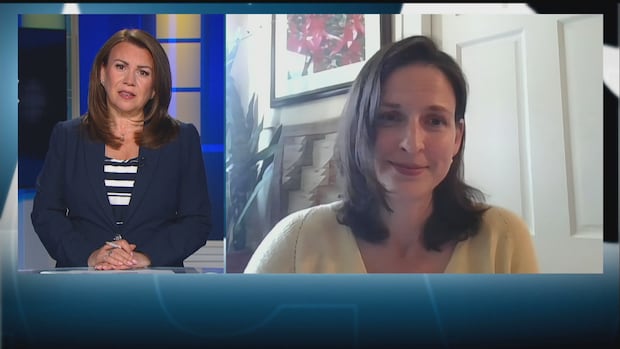
There’s lots of nutrition advice online, but how much of it comes from qualified experts?
A new peer-reviewed study takes a closer look at who’s behind online nutrition advice, and whether they’re actually trained to give it. CBC News: Compass host Louise Martin spoke with the research lead, registered dietitian Leah Cahill, about the findings.
Cahill said it isn’t surprising that people want to know about nutrition, noting it can be difficult to access a dietitian or doctor. She said it’s “fantastic” that people want to learn more and be healthier, but misinformation can be potentially dangerous.
YouTube creators without formal credentials were less likely to cite evidence in their nutrition claims, Cahill said, and viewers should also question whether the creator has financial conflicts of interest.
“Social media outlets have no requirements that people … are posting information or posting accurate or true information or real-life stories,” she said.
“That’s why people have to really critically assess the nutrition information that they get online.”
She also noted that many nutritional supplements can interfere with medications, leading to potentially dangerous side effects.
Cahill would like to see social media platforms do more to identify qualified health experts.
However, she said there is evidence-based information available online that offers proper health advice.
“We don’t want to stop people going to media for nutrition information and sharing things that work,” she said.
“But we definitely would love it if there was a way to verify the people giving the information, advice and also the accuracy of it and the evidence cited.”
When seeking information online, Cahill said “if it seems too good to be true, it probably is.”
“We really want people to stay interested in nutrition, that’s really important,” she said. “We just want people to be really careful and critical about where they get nutrition info from.”