

Listen to this article
Estimated 4 minutes
The audio version of this article is generated by AI-based technology. Mispronunciations can occur. We are working with our partners to continually review and improve the results.
A grassroots effort to preserve queer history in New Brunswick is now making decades of stories, photographs and lived experiences more accessible to the public.
The Queer Heritage Initiative of New Brunswick (QHINB) has launched a new website this week, bringing together more than a decade of archival work documenting LGBTQ+ life across the province.
About 10 years ago, a small group of researchers and community members began collecting what they say was missing from the public record — the documented history of queer life in New Brunswick.
This week, that work has taken a new form online.
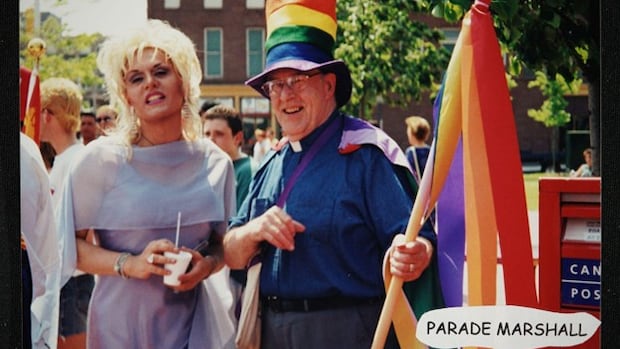
The website brings together archival material including photographs, newsletters, posters and oral histories dating back to the 1970s.
For Meredith J. Batt, a queer historian and archivist with the initiative, the project began with a simple observation: much of this history was never formally recorded.
“It wasn’t that these things hadn’t taken place, it was just that people hadn’t had material that they were holding on to,” Batt said.
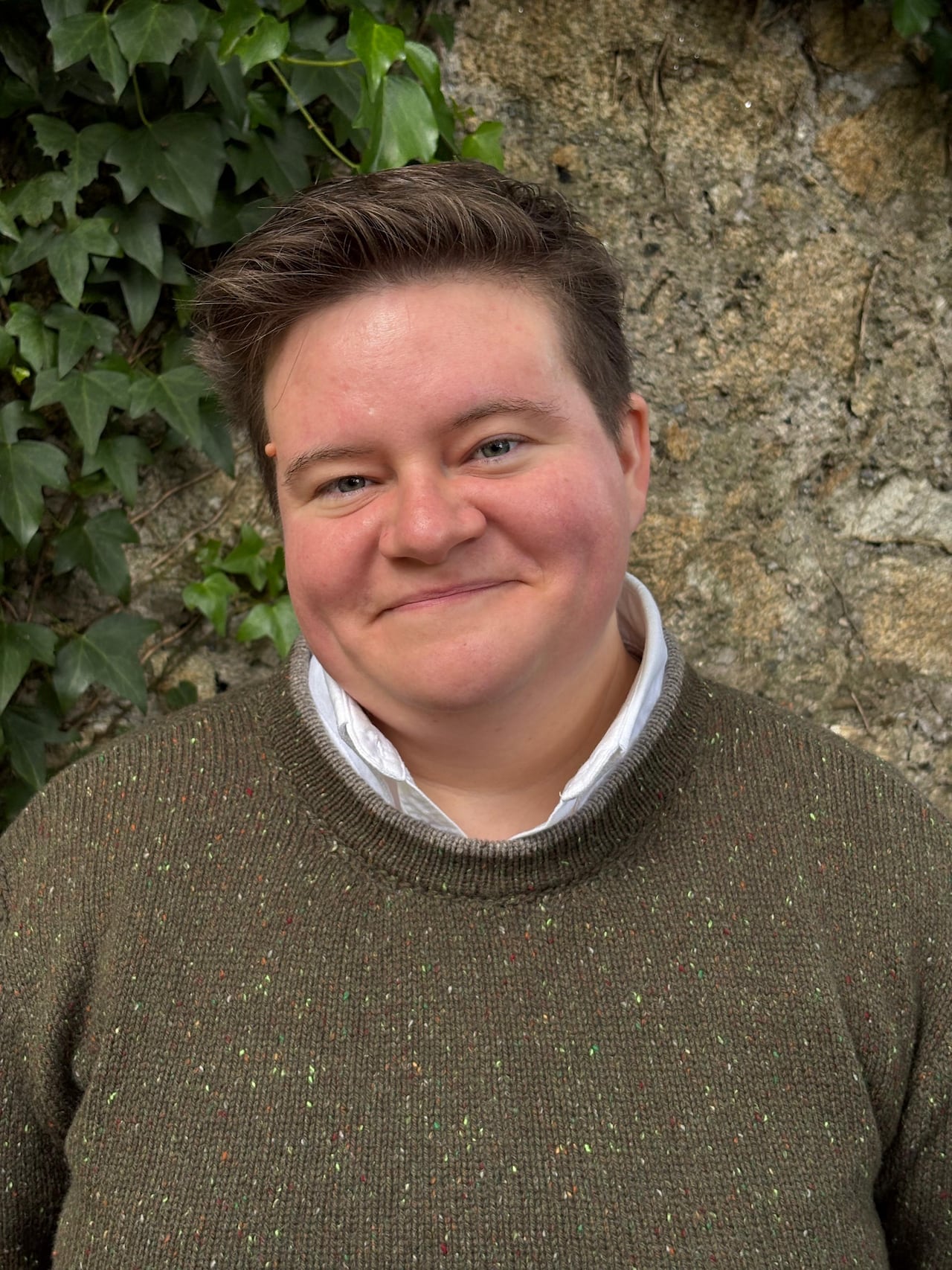 Meredith J. Batt archivist-advisor and co-founder at the Queer Heritage Initiative of New Brunswick. (Submitted by Meredith J. Batt)
The collection, now housed in more than 25 sub-collections at the Provincial Archives of New Brunswick, includes both physical and digital material, ranging from activist newsletters and photographs to ephemera and recorded interviews.
A new interactive website now brings much of that material together in one place, which also includes an online database and timeline tracing LGBTQ+ life in the province from the 1800s to the present.
Batt said the goal is not only preservation, but access.
“We’ve really focused on creating a website to kind of pull all of our resources together to a central place,” Batt said, adding that the project also includes oral histories, community panels and educational materials.
Among the stories preserved in the archive are records connected to Fredericton’s LGBTQ+ nightlife in the late 1990s, including The G Club — one of the only dedicated queer spaces in the city at the time.
Greg Ericson, a co-founder of the club, is also represented in the archive through business records and materials documenting the space’s operations, licensing history and community events.
For Ericson, the archive reflects a period when LGBTQ+ life in Fredericton was both visible and vulnerable.
“It was a difficult time for the LGBTQ+ community,” he said, recalling arson attacks on queer venues and reports of violence that shaped the era.
“There was definitely a feeling that the community was not as safe as it has been in years before.”
Ericson said The G Club was created in response to that reality — a space meant to be welcoming and inclusive, where people could gather, dance and socialize.
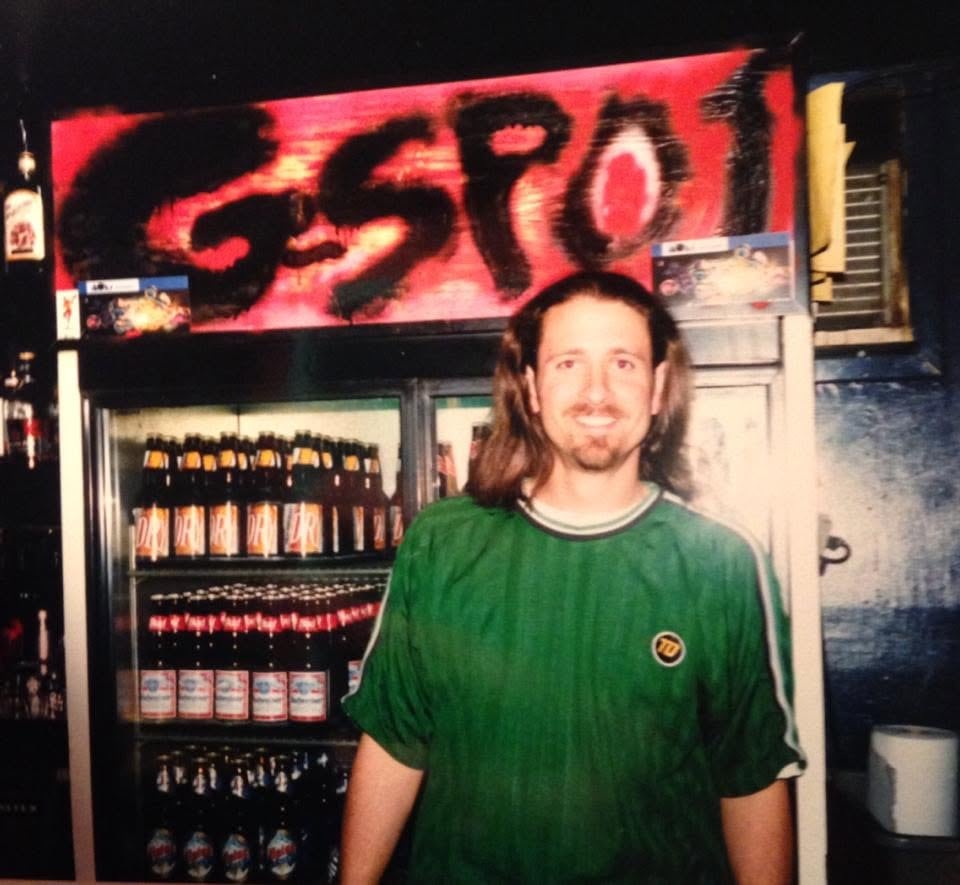 Greg Ericson, co-founder of Fredericton’s historic G Club (popularly known to patrons as ‘The G-Spot’), stands at the bar in 1998. (Submitted by Greg Ericson)
“We wanted to create a space where everyone was welcome to come dance and play and socialize,” he said.
Looking back now, he said seeing that history preserved publicly gives it new meaning.
“I think it’s an excellent idea to have an accessible social history for people to read through and to reflect on,” Ericson said.
He added that the past shows how progress is not always steady.
“Social progress is not necessarily linear,” Ericson said. “There are down times and there are dark times that people face.”
For Batt, that reflection is central to the project.
The archive, she said, is meant to help future generations understand LGBTQ+ history in New Brunswick not only through milestones, but also through lived experience, community spaces and everyday stories that were never fully recorded at the time.